Acetaminophen Lawsuit
📅 2026 Update: Recent Developments in Acetaminophen Lawsuits
Since the original article was written, there have been significant changes in the landscape of product liability lawsuits related to pharmaceuticals. Key developments include the growth of lawsuits involving drugs like Ozempic and Depo-Provera. The earlier article continues further down the page, providing detailed information about acetaminophen lawsuits.
🏥 New Lawsuits on the Rise
As of June 2026, the Ozempic lawsuits have seen a consolidation of 3,763 cases in federal court in Pennsylvania. Plaintiffs allege that Ozempic and similar drugs cause serious gastrointestinal injuries and vision loss. This marks a notable increase in litigation regarding potential side effects of weight-loss medications.
- ⚖️ Depo-Provera Multidistrict Litigation: The number of claims related to Depo-Provera has surged to over 5,500 cases. These lawsuits claim a link between the contraceptive and brain tumors, highlighting ongoing concerns about its safety.
💰 Notable Settlements
In June 2026, Merck settled over 200 Gardasil-related cases for more than $50 million. This settlement includes cases previously dismissed, indicating a renewed focus on vaccine-related injuries.
- 💵 Legal Costs: The settlements point to significant legal expenses for involved parties, especially in cases with large numbers of claims.
📅 Ongoing Court Procedures
Currently, no trials have taken place for the Ozempic MDL. Bellwether trials are expected to start in late 2026 or early 2027. This timeline is crucial for understanding how the court may handle future claims.
- 📈 Depo-Provera Processing: With over 5,500 cases filed, the processing of claims in the Depo-Provera litigation continues to evolve.
📌 Key Points Summary
- 🔍 Ozempic lawsuits have over 3,763 consolidated cases.
- 💼 Depo-Provera litigation has grown to more than 5,500 cases.
- 💰 Merck agreed to a $50 million settlement for Gardasil cases.
- ⏳ Ozempic bellwether trials may begin late 2026 or early 2027.
💡 Tips for Navigating Product Liability Claims
Review the details of your situation with your attorney to understand your options clearly.
📄 Understand Eligibility Criteria
Know that individuals who developed severe gastrointestinal injuries or vision loss after taking Ozempic may have grounds for a lawsuit. Likewise, those diagnosed with brain tumors after using Depo-Provera could also be eligible.
⏳ Be Aware of Filing Deadlines
The first lawsuit related to Depo-Provera was filed on October 1, 2024. Be mindful of the statutes of limitations that apply to your case, as they can vary by state.
🏛️ Utilize Government Resources
The FDA offers information on drug safety that can help you stay informed about potential risks associated with pharmaceuticals. This information can be vital when considering legal action.
🤝 Seek Nonprofit Assistance
Various nonprofit organizations provide free legal assistance for individuals pursuing product liability claims. These resources can help navigate the complexities of your situation.
📞 Stay Updated on Ongoing Litigation
Keep an eye on the progress of ongoing cases, such as the Ozempic and Depo-Provera lawsuits. Understanding the outcomes of these cases can provide insight into your potential claims.
🏆 Free Options Ranked by User Reviews (2026)
No national paid service in this area met the review threshold, so this section focuses on free government and nonprofit resources that can help individuals with product liability claims.
🥇 1. FDA
The FDA provides essential information on drug safety and adverse events. This resource is valuable for individuals seeking to understand the risks associated with specific medications. It can help guide decisions about pursuing claims related to pharmaceutical injuries.
🥈 2. Legal Aid Organizations
Various nonprofit organizations offer free legal assistance for individuals involved in product liability claims. These organizations help clients navigate the complexities of their cases, connecting them with resources and support.
🥉 3. State Health Departments
Many state health departments provide resources and information about drug safety and public health. They can assist individuals in understanding the potential risks of medications and guide them in reporting adverse effects.
4️⃣ Consumer Protection Agencies
Consumer protection agencies focus on safeguarding the rights of individuals. They may offer resources related to product liability claims and guide individuals on how to report unsafe products or drugs.
🔎 What to Check Before Paying for Help
- 🔍 Verify credentials of any organization.
- 📝 Read reviews to see past user experiences.
- 💬 Ask questions about their services.
- 📆 Check for any fees that may apply.
❓ Frequently Asked Questions
🤔 What should I do if I think I have a case?
If you believe you have been harmed by a product, gather any related medical records and documents. This information will be essential when you consult with legal experts.
🏥 How can I find out if I qualify for a lawsuit?
Eligibility often depends on specific criteria tied to your situation. Research the requirements for drugs like Ozempic or Depo-Provera to see if you meet the necessary conditions.
💸 What are the costs associated with filing a lawsuit?
Costs can vary widely based on the complexity of the case and the number of parties involved. Be prepared for potential legal fees, court costs, and other expenses.
🕒 How long does it take to resolve these cases?
Resolution times can differ significantly. Some cases may take months, while others could stretch into years, especially if they involve large numbers of plaintiffs.
⚖️ Are there any recent court rulings that might affect my case?
Yes, recent developments in lawsuits related to drugs like Ozempic and Depo-Provera could set precedents. Staying informed about these rulings can provide insights into your case.
📅 What if I missed the filing deadline for my claim?
Missing a deadline can complicate your ability to file a claim. However, there may be exceptions, so consulting with legal resources is essential to explore your options.
⚖️ Recent Cases Related to Acetaminophen Lawsuits
Recent court rulings have highlighted ongoing issues in product liability, particularly concerning medications like acetaminophen and related drugs. These rulings may influence future claims and settlements.
- California court rules on standing in FCRA class actionCalifornia Court of Appeal · June 4, 2026
- Texas Court upholds dismissal of pharmacy's lawsuit against stateTexas Court of Appeals, 15th District · June 4, 2026
- Court rules on landowners' elk management lawsuitNew Mexico Court of Appeals · June 3, 2026
- Court denies plaintiff's request to discontinue lawsuitAppellate Division of the Supreme Court of the State of New York · June 11, 2026
For more information on recent rulings, check more rulings on the news page.
End of October 2026 Update
A Brief Guide to Filing an Acetaminophen Lawsuit:
What is Acetaminophen?
Acetaminophen is used to relieve pain from headaches, menstrual periods, colds, sore throats, toothaches, backaches, muscle aches and reactions to vaccinations. Acetaminophen may also be administered to relieve the pain of osteoarthritis. Acetaminophen belongs to a class of medications called antipyretics (fever reducers) and analgesics (pain relievers). The drug is effective by cooling the body and altering how it senses pain.
Acetaminophen Side Effects:
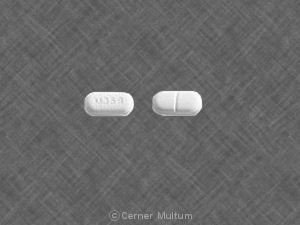
Acetaminophen use may cause side effects; adverse reactions may arise regardless of adherence to intake instructions. Some Acetaminophen side effects may be serious. If you experience the following Acetaminophen side effects, discontinue use and contact your doctor immediately:
Common Acetaminophen side effects include: hives; itching; swelling of the throat, tongue, lips, hands, feet, lower legs or ankles; hoarseness; difficulty swallowing or breathing; hives; and rash.
Acetaminophen side effects may take different forms; please contact your doctor if you experience any unusual problems while using this medication.
Acetaminophen is the generic name of an over-the-counter and/or prescription pain medication. Also referred to as APAP, Acetaminophen relieves pain and fever when combined with other ingredients and prescription products, including codeine, hydrocodone, oxycodone. Brand names of Acetaminophen include: Tylenol (United States), Apra, Crocin, Aspirin Free, Panadol and Panamax.
Acetaminophen lawsuits are filed by users against the manufacturer for pain and suffering resulting from the drug's rare side effects. Litigation seeking an acetaminophen settlement can proceed on grounds of dangerous side effects or inadequate manufacturing standards.
For years, possible acetaminophen side effects were not widely known. However, in 2009 the FDA updated the guidelines to include the potential development of liver damage.
There have been many cases of people filing an acetaminophen lawsuit on the grounds of liver damage. For example, in 1994 a man who had to have his liver replaced after taking the medication with wine was awarded an $8.8 million acetaminophen settlement. In another prominent acetaminophen lawsuit, a family whose one-year-old died from liver failure after taking the drug was awarded a $5 million acetaminophen settlement. The manufacturer of infant Tylenol argued the family was responsible by disregarding instructions concerning potential acetaminophen side effects including liver failure. However, the jury's verdict was in favor of the family in this acetaminophen lawsuit, because they deemed the warnings adequate.
After the FDA updated its warnings concerning acetaminophen side effects in 2009, a number of versions of the medication were recalled. Manufacturer Johnson & Johnson recalled many forms of the drug due to bacterial contamination. In response, a class-action acetaminophen lawsuit was filed on behalf of consumers who had purchased the improperly-manufactured medication. However, in 2011 this attempt to seek an acetaminophen settlement was dismissed by a Pennsylvania court. In this ruling, the judge noted that the claims made in the acetaminophen lawsuit were not specific enough to demonstrate that harm had been inflicted.
In addition to these reported acetaminophen side effects, recent studies established that the drug carries the risk of creating asthma in children. This could serve as grounds in the future to seek an acetaminophen settlement. At this time, the medication does not reflect this side effect.
The viability of litigation over acetaminophen side effects is constantly changing. Since the FDA has updated its warning on liver damage, consumers who took the drug after 2009 and experienced some problems are unlikely to be able to pursue an acetaminophen settlement related to such adverse responses. However, litigation concerning asthma acetaminophen side effects may be successful. Contact an attorney experienced in pharmaceutical litigation to evaluate the potential outcome of this effort to obtain an acetaminophen settlement. If future recalls are issued regarding improperly manufactured medication and you experience acetaminophen side effects from tainted medication, you should contact a lawyer.
Acetaminophen: FDA Regulations
The United States Food and Drug Administration recently asked manufacturers of prescription combination medications that contain Acetaminophen to limit the amount of Acetaminophen to no more than 325 milligrams in each capsule or tablet. Moreover, the FDA requires manufacturers to update labels for all prescription combination Acetaminophen products to warn of Acetaminophen side effects.
Sources:
1. DA limits acetaminophen in prescription combination products; requires liver toxicity warnings retrieved from:
https://www.fda.gov/NewsEvents/Newsroom/PressAnnouncements/ucm239894.htm
2. United States National Library of Medicine Acetaminophen retrieved from:
https://www.ncbi.nlm.nih.gov/pubmedhealth/PMH0000521/
3.https://www.fda.gov/Drugs/DrugSafety/InformationbyDrugClass/ucm165107.htm
4. https://www.fda.gov/Safety/MedWatch/SafetyInformation/SafetyAlertsforHumanMedicalProducts/ucm320610.htm