Cymbalta Lawsuit
📅 2026 Update: Recent Developments in Cymbalta Lawsuits
Since the original article was published, several important changes have occurred in the landscape of product liability lawsuits, particularly regarding drugs like Cymbalta. This update highlights significant ongoing cases and trends that impact individuals affected by pharmaceutical products. The earlier article continues further down the page, providing foundational information on this topic.
🚨 New Lawsuits and Consolidations
As of June 2026, lawsuits related to various pharmaceutical drugs, while not directly linked to Cymbalta, have seen significant developments. For example, Ozempic lawsuits have consolidated into a multidistrict litigation (MDL) in Pennsylvania, with 3,763 cases alleging severe gastrointestinal injuries and vision loss. While these cases are separate, they indicate a trend of increased scrutiny on drug safety.
⚖️ Gardasil Settlement
In June 2026, Merck settled over 200 Gardasil-related cases for more than $50 million. This settlement reflects ongoing legal challenges faced by pharmaceutical companies and may influence perceptions around liability and safety in the drug industry. Similar outcomes could occur in lawsuits involving Cymbalta, should they arise.
🧠 Depo-Provera Lawsuits
The Depo-Provera multidistrict litigation has grown to over 5,500 cases by June 2026. Plaintiffs claim a link between the contraceptive and brain tumors. As lawsuits continue to evolve, it demonstrates an increasing focus on the side effects of medications, a concern that could extend to Cymbalta claims.
📈 Processing Times and Eligibility
No bellwether trials for the Ozempic MDL have occurred as of June 2026, with potential trials expected to start in late 2026 or early 2027. Individuals who developed severe gastrointestinal injuries or vision loss after using Ozempic may be eligible to file lawsuits. This information is pertinent for those considering action against drug manufacturers, including those of Cymbalta.
📌 Key Takeaways
- Ozempic lawsuits are rapidly consolidating with thousands of claims.
- Merck's Gardasil settlement signals potential outcomes for similar cases.
- The Depo-Provera litigation highlights the growing legal focus on drug safety.
- Ongoing processing times for lawsuits illustrate the lengthy nature of multidistrict litigation.
- Eligibility for lawsuits may extend to individuals affected by severe side effects from various medications.
💡 Tips for Understanding Cymbalta Lawsuits
Review your circumstances carefully with your attorney to ensure you understand your legal options.
📋 Understand the Lawsuit Process
Familiarize yourself with how lawsuits work, especially regarding drug safety. Knowledge of how claims are filed and processed can help you navigate your options more effectively.
⏳ Keep Track of Deadlines
Awareness of filing deadlines is crucial. For example, the first Depo-Provera lawsuit was filed on October 1, 2024. Similar timelines may apply to Cymbalta-related claims.
📞 Utilize Free Resources
Consider accessing free government information on drug safety. The FDA provides valuable data on adverse events, which can assist you in understanding the risks associated with Cymbalta and related medications.
📝 Document Your Experiences
Keep detailed records of any side effects experienced after taking Cymbalta. This documentation can be critical in establishing a case if you choose to pursue legal action.
🤝 Seek Support from Nonprofits
Look into nonprofit organizations that offer legal assistance for product liability claims. Many of these organizations can provide help without the cost of hiring an attorney.
📊 Stay Informed on Related Cases
Monitor ongoing lawsuits related to pharmaceuticals like Ozempic and Depo-Provera. These cases can provide insights into potential outcomes for Cymbalta cases.
🏆 Free Options Ranked by User Reviews (2026)
No national paid services met the review threshold for this topic, so this section highlights free government and nonprofit resources available for individuals dealing with product liability claims.
🥇 1. FDA
The FDA provides information on drug safety and adverse events. They help individuals understand the risks associated with medications, including Cymbalta. Their website offers updates on drug recalls and safety alerts, which can be crucial for making informed decisions.
🥈 2. Legal Aid Organizations
Various nonprofit organizations offer free legal assistance to those pursuing product liability claims. These legal aid groups help individuals understand their rights and navigate the complexities of lawsuits without the financial burden of hiring an attorney.
🥉 3. State Health Departments
State health departments often provide resources on drug safety and compliance. They can assist individuals in reporting adverse drug reactions and understanding the safety profiles of medications like Cymbalta.
4️⃣ Patient Advocacy Groups
Patient advocacy groups focus on raising awareness about the side effects of medications. They can offer support and information on how to pursue legal claims related to drug injuries.
5️⃣ Public Health Agencies
Public health agencies provide resources and information on drug-related injuries. They help individuals understand the risks associated with medications and how to report adverse effects effectively.
🔎 What to Check Before Paying for Help
- 🏛️ Verify the legitimacy of services.
- 📄 Understand the fee structures.
- 🤔 Assess the organization's track record.
- 📞 Contact for initial consultations.
- 📚 Look for user reviews and testimonials.
❓ Frequently Asked Questions
🤔 What should I do if I experience side effects from Cymbalta?
If you experience side effects from Cymbalta, document your symptoms and consult with a healthcare professional. Reporting your experiences to health authorities can also be beneficial.
🏥 Can I join a class action lawsuit for Cymbalta?
Currently, there is no class action lawsuit specifically for Cymbalta. However, individuals may pursue personal claims based on their experiences with the medication.
📅 How long does it take to resolve a drug lawsuit?
The resolution of drug lawsuits can vary significantly. Factors include the complexity of the case and the number of claims involved, which can lead to lengthy processing times.
📊 What types of claims are being made against pharmaceutical companies?
Claims against pharmaceutical companies often include allegations of inadequate warnings, side effects, and misrepresentation of drug safety. These claims can evolve as more information comes to light.
🔍 How can I find out more about ongoing drug lawsuits?
You can find information about ongoing drug lawsuits through news articles, legal databases, and updates from health organizations. Staying informed about related cases can provide insights into your situation.
📝 What evidence is needed to support a Cymbalta lawsuit?
Evidence for a Cymbalta lawsuit typically includes medical records, documentation of side effects, and expert testimony about the drug's safety. Collecting comprehensive evidence is crucial for a strong case.
⚖️ Recent Cases Related to Cymbalta Lawsuits
Recent court rulings concerning drug liability cases connect to the ongoing discussions surrounding Cymbalta and similar medications. These rulings can shed light on how courts view claims related to pharmaceutical injuries.
- Illinois court rules on liability in personal injury caseAppellate Court of Illinois · July 2, 2026
- Court rules on construction accident liability in New YorkAppellate Division of the Supreme Court of the State of New York · July 9, 2026
- Court rules on construction accident liability in New York caseAppellate Division of the Supreme Court of the State of New York · July 9, 2026
- Court rules on liability in construction injury caseAppellate Division of the Supreme Court of the State of New York · July 9, 2026
For more recent rulings, visit the news section for more rulings on the news page.
End of October 2026 Update
A Brief Guide to Filing a Cymbalta Lawsuit:
Cymbalta utilizes Duloxetine to treat generalized anxiety disorder and depression. The drug is also used to treat tingling and pain caused by diabetic neuropathy and fibromyalgia. Moreover, Cymbalta may be prescribed to treat ongoing muscle or bone pain, such as lower back pain. Cymbalta belongs to a class of medications known as norepinephrine reuptake and selective serotonin inhibitors. It is effective by increasing the amounts of orepinephrine and serotonin in the brain to promote mental balance.
Cymbalta Side Effects:
Although effective, Cymbalta carries significant risks. These risks; however, have not prompted significant litigation. The most prominent Cymbalta side effects concern the possibility of an increased suicide risk in children, young adults and teens. In 2005, the manufacturer updated its safety information to reflect these Cymbalta side effects.
• Nausea; constipation; dizziness; headache; weakness; drowsiness; muscle cramps or pain; uncontrollable shaking of the body; excessive fatigue; stomach pain; unusual breathing; swelling of the abdomen; loss of appetite and confusion.
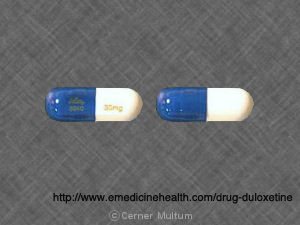
Cymbalta FDA:
The bulk of Cymbalta lawsuits are filed because of the drug’s severe side effects, particularly suicidal thoughts and behaviors. These Cymbalta lawsuits were formed uniformly to other popular antidepressants. As early as 1990, users reported that antidepressants promoted suicidal thoughts and behaviors.
The United States Drug Administration, in response to these findings, di nothing. However, the link became increasingly obvious; antidepressants had a direct adverse effect on children and teenagers, making them violent, irrational or suicidal. These observations were solidified in 2006, when the FDA analyzed the results of 372 study cases of antidepressant users, finding that young adults were more inclined to severe changes in behavior while under the influence. This study prompted the FDA to enforce anti-depressant manufacturers to include warnings on all product labels.
As the adverse effects became more transparent, the FDA required more stringent prescription requirements and warnings. These warnings culminated with a “black box” warning for Cymbalta.
Cymbalta Lawsuits:
Only one significant Cymbalta lawsuit has been filed to date. The particular Cymbalta lawsuit, which is still pending, concerns a 16-year-old South Dakota boy who killed himself in 2004 after beginning Cymbalta treatment. The Cymbalta lawsuit says that the manufacturer (Eli Lilly and Company) failed to provide adequate warning of suicidal urges; the boy’s family in this Cymbalta lawsuit claimed that Eli Lilly and Company was directly responsible for the boy’s death. This Cymbalta lawsuit is seeking a settlement for the pain and suffering endured by the boy’s family.
While this is the most prominent Cymbalta lawsuit, there are others that are currently ongoing. That being said, the bulk of Cymbalta lawsuits are enacted and rendered in a private manner—the details and the subsequent settlements are rarely publicized.
In addition to concerns about Cymbalta withdrawal, concern has arisen about the drug's potential for creating birth defects. The FDA classifies the drug as a Category C medication for pregnant women--a warning that Cymbalta side effects may affect both the birth and health of the child. A 2006 study published in the New England Journal of Medicine concluded that use of this drug and similar antidepressants after the 20th week of pregnancy increases the risk of heart problems in an infant by up to six times.
Another study published in the American Journal of Obstetrics and Gynecology contributed more information regarding potential Cymbalta side effects. In this study, one-third of women taking antidepressants continuously throughout pregnancy, were found to have complicated or difficult pregnancies.
This evidence is more substantive than the reports concerning Cymbalta withdrawal. Because prescription information currently does not warn of these birth defect risks, women who experience such complications could file a Cymbalta lawsuit. However, as in cases of Cymbalta withdrawal, the lack of studies specifically concerning the drug could impede litigation.
Sources:
1. United States National Library of Medicine “Duloxetine” retrieved from:
https://www.ncbi.nlm.nih.gov/pubmedhealth/PMH0000274/
2. FDA News Release retrieved from:
https://www.fda.gov/NewsEvents/Newsroom/PressAnnouncements/ucm232708.html
3. FDA Duloxetine (marketed as Cymbalta) information retrieved from:
https://www.fda.gov/Drugs/DrugSafety/PostmarketDrugSafetyInformationforPatientsandProviders/ucm114966.html