Baycol Lawsuit
📅 2026 Update: Recent Developments in Product Liability Lawsuits
Since the original article was written, there have been several important updates in product liability lawsuits related to pharmaceuticals. New cases have emerged, and some existing lawsuits have seen significant progress. This 2026 update highlights these changes, and you can find more detailed information in the original article further down the page.
🏥 Ozempic Lawsuits Consolidation
As of June 2026, there are 3,763 lawsuits against Ozempic and similar GLP-1 receptor agonist drugs. These lawsuits allege that the medications can cause severe gastrointestinal injuries and vision loss. The cases have been consolidated in federal court in Pennsylvania, allowing for more efficient processing of claims.
- 🏁 Individual Claims: Patients who experienced injuries after taking Ozempic can file individual lawsuits within this multidistrict litigation (MDL).
⚖️ Gardasil Lawsuit Settlement
In June 2026, Merck agreed to pay over $50 million to settle more than 200 Gardasil-related lawsuits. This settlement includes cases that had previously been dismissed in North Carolina and a long-standing case in Los Angeles.
- 💰 Financial Resolution: This settlement reflects the ongoing legal risks associated with pharmaceutical products and their potential side effects.
🧠 Depo-Provera Lawsuit Growth
The number of lawsuits related to Depo-Provera has surged to over 5,500 cases by June 2026. Plaintiffs allege a link between the contraceptive and brain tumors, leading to significant legal activity in this area.
- 📅 Filing Timeline: The first lawsuit in this MDL was filed on October 1, 2024, indicating a growing awareness of potential risks.
🔍 Strive Pharmacy Antitrust Lawsuit
On January 14, 2026, Strive Specialties Inc. filed a federal antitrust complaint against Eli Lilly and Novo Nordisk. The accusation is that these companies have been working to suppress competition in the GLP-1 weight-loss drug market.
- 🤝 Market Dynamics: This case highlights ongoing issues in the pharmaceutical industry regarding competition and market access.
📌 Key Points Summary
- 📈 Ozempic lawsuits: 3,763 cases consolidated in Pennsylvania.
- 💵 Gardasil settlement: Merck pays over $50 million for 200+ cases.
- 🧪 Depo-Provera cases: Grown to over 5,500, alleging brain tumor links.
- ⚖️ Strive complaint: Accusations against Eli Lilly and Novo Nordisk for antitrust violations.
- 🏥 Ongoing litigation: Multiple drug-related lawsuits are actively developing.
💡 Tips for Understanding Product Liability Lawsuits
Go over the details of your own situation with your attorney.
📄 Understand the Eligibility Criteria
To file a lawsuit, you must meet specific eligibility rules. For instance, individuals claiming injuries from Ozempic must have developed severe gastrointestinal issues or vision loss after taking the drug.
⏰ Know Your Deadlines
Each lawsuit has a specific filing deadline, known as a statute of limitations. For Depo-Provera, the first lawsuit was filed on October 1, 2024, but subsequent claims must still adhere to applicable deadlines.
🎯 Be Aware of MDL Processes
Multidistrict litigation (MDL) allows for the consolidation of similar cases. This can speed up the legal process, as seen with the Ozempic and Depo-Provera cases, where a large number of claims are being processed together.
💼 Seek Free Legal Help
If you can't afford legal assistance, consider reaching out to nonprofit organizations that may offer free legal support for individuals pursuing product liability claims.
🔍 Research Drug Safety Information
The FDA provides valuable information about drug safety and adverse events. This can help you understand potential risks associated with medications like Ozempic and Gardasil.
🏆 Free Options Ranked by User Reviews (2026)
No national paid service in this area met the review threshold, so this section lists free government and nonprofit resources that can help individuals with product liability issues.
🥇 1. FDA's Role in Drug Safety
The FDA provides information about drug safety and can assist individuals seeking details on adverse events related to pharmaceuticals. This resource is crucial for understanding potential risks and reporting any side effects experienced after using medications.
🥈 2. Local Legal Aid Organizations
Nonprofit legal aid organizations can offer free legal assistance to individuals pursuing claims related to product liability. These groups often focus on helping low-income individuals navigate the legal system, making it easier to seek justice for injuries caused by defective products.
🥉 3. State Health Departments
State health departments can provide information about drug safety and potential health risks related to various medications. They can guide individuals in understanding their rights and the reporting process for adverse drug reactions.
4️⃣ Consumer Advocacy Groups
Consumer advocacy groups work to protect the rights of individuals using pharmaceutical products. They offer resources and support for those who have experienced harm due to defective drugs, including guidance on how to file complaints or lawsuits.
🔎 What to Check Before Paying for Help
- 🕵️♂️ Verify credentials of any organization you work with.
- 🏦 Understand costs and ensure no hidden fees exist.
- 📄 Research reviews and testimonials from other users.
- 🔍 Check for transparency in their services offered.
❓ Frequently Asked Questions
🤔 What should I do if I think I have a case?
If you believe you have a case, gather evidence of your injuries and consider discussing your situation with a legal professional.
📅 How long will my lawsuit take?
The length of a lawsuit can vary widely. For Ozempic, no trials had started as of June 2026, with bellwether trials expected in late 2026 or early 2027.
💔 What types of injuries are involved in these lawsuits?
Lawsuits may involve severe injuries, such as gastrointestinal issues or brain tumors linked to specific medications like Ozempic and Depo-Provera.
🏛️ How does MDL affect my lawsuit?
MDL consolidates similar cases to streamline the legal process. This can lead to more efficient resolutions for plaintiffs involved in cases like Ozempic and Depo-Provera.
📜 Can I still file a lawsuit if my case was previously dismissed?
In some instances, new evidence or changes in circumstances may allow you to file again. The recent Gardasil settlement suggests that previously dismissed cases can sometimes be revisited.
🏥 Where can I find more information about these cases?
You can find more information through resources like the FDA and local legal aid organizations that offer guidance on pharmaceutical injuries.
⚖️ Recent Court Cases Related to Product Liability
Recent court rulings have highlighted ongoing issues in product liability law, particularly concerning pharmaceutical products. These cases illustrate the complexities and challenges faced by individuals seeking justice.
- Court vacates sentence in drug trafficking case appealSupreme Court of The Commonwealth of The Northern Mariana Islands · January 30, 1997
- Court Reverses Aldan's Drug Conviction Over Search WarrantSupreme Court of The Commonwealth of The Northern Mariana Islands · December 4, 1997
- Court affirms ruling on employer medical liability caseSupreme Court of The Commonwealth of The Northern Mariana Islands · November 20, 1997
- Court denies motion to disqualify law firm in ABA lawsuitDistrict Court, District of Columbia · October 16, 2026
You can browse more rulings on the news page for the latest updates in this area.
End of October 2026 Update
A brief guide to filing a Baycol lawsuit
Though the anti-cholesterol medication Baycol was removed from worldwide circulation in 2001, it has taken a considerable amount of time to resolve the litigation surrounding it. Manufacturer Bayer is reported to have spent $1.17 billion in Baycol settlements.
The unusual complexity of litigation regarding Baycol side effects stems from the number of places it has been undertaken. The drug was introduced to market in 1998. The most serious Baycol side effects that were reported in studies conducted after its introduction concerned "rhabdomyolysis." When this occurs, muscle tissue breaks down, which can result in kidney failure and death. Reports of 52 deaths prompted the withdrawal of the drug from market.
The first Baycol lawsuit occurred in 2003. The plaintiff seeking a Baycol settlement in this case was an 82-year-old man who developed rhabdomyolysis. This Baycol lawsuit ruled Bayer (manufacturer of Baycol) of negligence. The same result occurred in the second trial, concerning a woman who said that Baycol side effects—following two years of treatment—caused severe muscle soreness.
In 2007, a Baycol settlement was announced between Bayer and thirty states. The class-action Baycol lawsuit alleged that the company was negligent and did not sufficiently warn consumers of the risks associated with Baycol treatment. As a result, Bayer agreed to pay an $8 million Baycol settlement without having to admit wrongdoing.
In 2011, a class action Baycol lawsuit was filed when a group of plaintiffs from West Virginia wished to pursue a Baycol settlement. Though their motion was initially denied by a West Virginia judge, the Supreme Court ultimately affirmed that a class action Baycol lawsuit could proceed. It is not known at this time whether litigation has proceeded or been dropped.
At present, Bayer reports that it has made a Baycol settlement agreement with more than 3,100 people. Unless the class action Baycol lawsuit mentioned above proceeds, it appears that such litigation has largely ended. Since the drug has not been available for over a decade, any Baycol side effects that occurred happened so long ago that initiating litigation at this time is fruitless. It is unclear whether those who wish to pursue a Baycol settlement will be able to join the class action approved by the Supreme Court.
Rhabdomyolysis is the only side effect that has produced significant litigation. The formation of a class action suit seeking a Baycol settlement would therefore concern patients with this condition. If you want to try to obtain compensation for previously experienced Baycol side effects, speak with an experienced pharmaceutical attorney. This will be the simplest way to find out whether a class action for a Baycol settlement is proceeding or is no longer being pursued. To join any such legal action, you will need copies of all medical records documenting Baycol side effects.
Baycol FDA Warnings/Regulations:
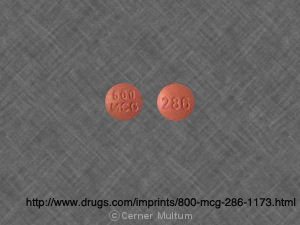
The FDA announced that Baycol, in 2001 withdrew all dosages of Baycol’s cholesterol-lowering drug due to reports of side effects including rhabdomyolysis (muscle weakness). Fatal rhabdomyoylsis has also been reported with Baycol when administered at high doses, used in elederly patients or combined with gemfibrozil, another lipid lowering medication.
Other Baycol Side Effects:
The bulk of Baycol side effects are of the gastrointestinal variety, including bloating, gas, heartburn, nausea, upset stomach, abdominal pain and diarrhea. Additionally, the United States Food and Drug Administration classifies Baycol as a category X drug, meaning it causes severe birth defects and should not be taken by those who are pregnant. Risk factors, primarily Rhabdomyolysis is most prevalent in the elderly, in patients taking high doses and in patients also taking Gemfibrozil.
Sources:
1. https://www.fda.gov/Safety/MedWatch/SafetyInformation/
SafetyAlertsforHumanMedicalProducts/ucm172268.htm
2. https://www.fda.gov/downloads/Drugs/GuidanceComplianceRegulatoryInformation/EnforcementActivitiesbyFDA/
WarningLettersandNoticeofViolationLetterstoPharmaceuticalCompanies/UCM166207.pdf