Fen-Phen Lawsuit
📅 2026 Update: Recent Developments in Product Liability and Drug Lawsuits
Since the original article was written, there have been significant changes in drug lawsuits and product liability cases. New lawsuits have emerged, and some have seen settlements. These developments reflect ongoing legal battles involving drugs that have raised serious health concerns.
The earlier article continues further down the page, providing foundational insights into how product injury claims work. Below, you will find updates on some of the most relevant cases impacting product liability law today.
🩺 Ozempic Lawsuits Consolidation
As of June 2026, over 3,763 lawsuits concerning Ozempic and similar GLP-1 receptor agonist drugs have been consolidated in federal court in Pennsylvania. These lawsuits allege serious injuries, such as severe gastrointestinal issues and vision loss. Individuals harmed by these drugs may be eligible for compensation through these claims.
- 🔍 Eligibility: Patients who experienced these severe side effects after using Ozempic can file individual lawsuits in the multidistrict litigation (MDL).
💰 Gardasil Lawsuit Settlement
In June 2026, Merck agreed to pay more than $50 million to settle over 200 Gardasil-related cases. This settlement includes claims that were previously dismissed in North Carolina and a long-standing case in Los Angeles. This indicates the importance of pursuing claims even after initial dismissal.
- ⚖️ Impact: This settlement highlights how serious claims against pharmaceutical companies can lead to significant financial resolutions.
🧠 Depo-Provera Lawsuit Growth
The multidistrict litigation for Depo-Provera has seen substantial growth. By June 2026, there were over 5,500 cases alleging a connection between the contraceptive and brain tumors. This surge indicates a rising awareness of potential risks associated with this drug.
- 📅 Filing Timeline: The first lawsuit related to Depo-Provera was lodged on October 1, 2024, showing that claims have been steadily increasing since then.
⚖️ Strive Pharmacy Antitrust Lawsuit
On January 14, 2026, Strive Specialties Inc. filed a federal antitrust complaint against Eli Lilly and Novo Nordisk. The complaint alleges these companies worked together to suppress competition in the GLP-1 weight-loss drug market. This case could have broader implications for how pharmaceutical companies operate.
- 🔒 Market Competition: Antitrust claims like this can impact drug pricing and availability for consumers.
📌 Key Points Summary
- 📅 Over 3,763 Ozempic lawsuits consolidated in federal court.
- 💰 Merck's $50 million settlement for Gardasil-related claims.
- 🧠 More than 5,500 Depo-Provera cases linked to brain tumors.
- ⚖️ Strive Pharmacy filed an antitrust lawsuit against Eli Lilly and Novo Nordisk.
- 📈 Ongoing litigation reflects rising awareness of drug-related risks.
💡 Tips for Understanding Product Liability Lawsuits
Review the details of your situation with an attorney to ensure you understand your rights and options.
📝 Understand Eligibility Criteria
Before filing a lawsuit, know if you meet the eligibility criteria. For instance, individuals with severe gastrointestinal injuries or vision loss from Ozempic may have grounds for a claim.
⏰ Be Aware of Deadlines
Each lawsuit has specific filing deadlines. For example, the first Depo-Provera lawsuit was filed in October 2024, and others must adhere to applicable statutes of limitations.
📄 Gather Medical Records
Collect all relevant medical records and documents. These can support your claims by showing how your condition relates to the product in question.
🔍 Research Product Safety
Stay informed about product recalls and safety warnings. The FDA provides valuable information about drug safety and adverse events that can help individuals seek justice.
🛡️ Look for Legal Aid
Consider reaching out to nonprofit organizations that may offer free legal assistance. They can provide support in navigating complex product liability claims.
📈 Monitor Ongoing Lawsuits
Keep track of ongoing lawsuits and settlements. Understanding current trends can inform your decisions and actions regarding your case.
🏆 Free Options Ranked by User Reviews (2026)
No national paid service met the review threshold for this area, so this section highlights free government and nonprofit resources that can help those dealing with product liability issues.
🥇 1. FDA's Role
The FDA provides essential information on drug safety and adverse events. This resource helps individuals understand potential risks associated with medications and supports those seeking information for claims.
🥈 2. Legal Aid Organizations
Nonprofit organizations often offer free legal assistance to individuals pursuing product liability claims. These organizations can help navigate the complexities of the legal system without incurring costs.
🥉 3. Consumer Protection Agencies
Various consumer protection agencies work to ensure the safety of products on the market. They provide resources on reporting unsafe products and understanding consumer rights.
4️⃣ State Health Departments
State health departments monitor drug safety and can provide information on local resources available for individuals affected by pharmaceutical injuries.
5️⃣ Public Health Resources
Public health resources often provide educational materials about the risks associated with certain drugs. They can help individuals make informed decisions about their health.
🔎 What to Check Before Paying for Help
- 📜 Ensure the service is legitimate and reviews are positive.
- ⚖️ Confirm what services are included and any potential fees.
- 🏢 Verify the organization’s experience in handling similar cases.
- 📞 Ask about the process and timeline for assistance.
- 💬 Look for user testimonials or case studies.
❓ Frequently Asked Questions
❓ What types of injuries can lead to a lawsuit?
Individuals can file lawsuits for injuries linked to drugs like Ozempic, Gardasil, and Depo-Provera. Common claims involve severe health issues such as gastrointestinal injuries or brain tumors.
📅 How long do lawsuits typically take?
The timeline for lawsuits can vary. For instance, as of June 2026, no trials had occurred in the Ozempic MDL, but bellwether trials may begin in late 2026 or early 2027.
🔍 What resources are available for drug injury claims?
Individuals can access resources from the FDA and various nonprofit organizations. These groups provide information about drug safety and may offer legal assistance.
💰 Are there costs associated with filing a lawsuit?
While some organizations offer free assistance, filing a lawsuit may involve court fees and other expenses. It's essential to understand all potential costs before proceeding.
🧠 Can I file a lawsuit if my claim was previously dismissed?
Yes, there are cases, like those involving Gardasil, where previous dismissals have led to settlements later. It's important to seek guidance on your specific situation.
🏢 Where can I find more information about ongoing lawsuits?
You can find updates on ongoing lawsuits and settlements through news outlets or legal resources. Staying informed will help you understand the landscape of product liability claims.
⚖️ Recent Cases Related to Product Liability
Recent court rulings have further shaped the landscape of product liability and drug lawsuits. These cases highlight the ongoing legal battles faced by pharmaceutical companies and the rights of individuals affected by their products.
- Puerto Rico court dismisses construction worker's lawsuitTribunal De Apelaciones De Puerto Rico/Court of Appeals of Puerto Rico · May 29, 2026
- Court upholds dismissal of Waste Collection Corp. lawsuitTribunal De Apelaciones De Puerto Rico/Court of Appeals of Puerto Rico · May 19, 2026
- Puerto Rico court denies request for third-party lawsuitTribunal De Apelaciones De Puerto Rico/Court of Appeals of Puerto Rico · May 5, 2026
- Illinois Court Upholds Drug-Induced Homicide ConvictionAppellate Court of Illinois · July 1, 2026
You can browse more recent rulings in the news section.
End of October 2026 Update
Fen-Phen Lawsuits: What is Fen-Phen?
Fen-Phen, the brand name for Phentermine, is a drug used for a limited period of time to accelerate weight loss in obese people. The drug combines phenetermine, dexfenfluramine or Pondimin to suppress appetite.
Fen-Phen should be used in conjunction with a low-calorie diet and regimented exercise program. Fen-Phen is part of a class of medications known as anorectics. Ultimately, it is effective by decreasing the user’s appetite.
Fen-Phen comes in tablet and extended-release capsule form. It should be taken as a single daily dose or three times a day before meals. The majority of Fen-Phen users take the drug for 3-6 weeks; the dosage period is dependent on how the user responds to the medication. To avoid serious Fen-Phen side effects or habit-forming characteristics, Fen-Phen should only be taken as directed.
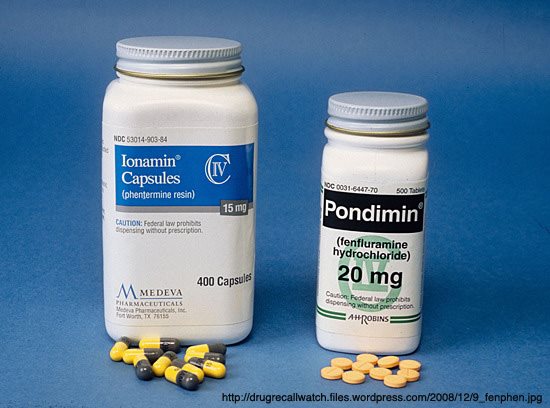
Fen-Phen Lawsuits:
Fen-Phen lawsuits are filed by users who experience associated Fen-Phen side effects. A Fen-Phen lawsuit is initiated to compensate for the injuries or medical conditions inflicted on the user as a result of Fen-Phen use. More specifically, Fen-Phen lawsuits—primarily the successful Fen-Phen settlements (one’s that secure a Fen-Phen settlement)—will prove that the drug caused a condition, disease or injury not cited in the drug’s warning label. The bulk of Fen-Phen lawsuits stem from the results of a 1996 clinical finding, which linked the drug to the development of a mitral valve dysfunction.
Following this report—and the death of a 30-year-old Fen-Phen user, the United States Food and Drug Administration alerted medical professionals that it received nine additional reports of the same variety. The FDA then received over a hundred additional reports citing valvular heart disease in users of Fen-Phen. The FDA asked the manufacturer of Fen-Phen to stress these potential risks in patient package inserts and directly on the drugs’ package.
Fen-Phen is no longer widely available in the United State--following additional reports of pulmonary hypertension and valvular heart disease (primarily in female users), the FDA requested that Fen-Phen be removed from the market. Upon the release of this request, the Association of Trial Lawyers of America formed a group to initiate a massive Fen-Phen lawsuit. This massive Fen-Phen lawsuit seeks a Fen-Phen settlement for the damages associated with the drug’s adverse reactions. The Fen-Phen lawsuit is filed against American Home Products and the distributor of the drug.
Since April of 2005, over 50,000 product liability Fen-Phen lawsuits have been filed by alleged victims of the drug--estimates of total liability from these Fen-Phen lawsuits total up to $14 billion. As of February of 2005, the drug’s manufacturer was still negotiating the expected Fen-Phen lawsuits with injured users, offering Fen-Phen settlements between $5,000 to $200,000. The majority of victims rejected these Fen-Phen settlements, citing a severe underestimation of their medical expenses and pain and suffering. During this time, Wyeth—the drug’s manufacturer—announced that it had set aside $21.1 billion to cover the costs of Fen-Phen lawsuits.
The bulk of these Fen-Phen lawsuits are filed by users of the drug who developed primary pulmonary hypertension. These Fen-Phen lawsuits are currently still being filed, demonstrating that the harm caused by the drug can surface many years after an individual discontinues use.
Before seeking a Fen-Phen settlement you must first understand the dangers associated with application—serious Fen-Phen side effects, including the development of pulmonary heart disease, many not appear until 10 or 20 years after initial consumption.
Fen-Phen Side Effects:
If used improperly the chances of displaying Fen-Phen side effects will increase. Regardless of how the adverse reactions formed, you should call your medical provider or doctor immediately after noticing Fen-Phen side effects. Common Fen-Phen side effects include the following:
• Fen-Phen side effects include dry mouth
• Unpleasant taste in mouth is a common Fen-Phen side effect
• Fen-Phen side effects include diarrhea
• Constipation is a common Fen-Phen side effect
• Vomiting may be experienced as a common Fen-Phen side effect
Some Fen-Phen side effects may be more severe. If you experience the following symptoms, please contact your doctor:
• Severe Fen-Phen side effects include increased blood pressure
• Heart palpitations, dizziness and restlessness are regarded as severe Fen-Phen side effects
• The development of a tremor, chest pains and swelling of the legs and ankles are deemed serious Fen-Phen side effects
• Chest pains and shortness of breath are regarded as severe Fen-Phen side effects
• Swelling of the ankles and legs are deemed severe Fen-Phen side effects
• Difficulty maintain your life or doing exercises that you once deemed routine are classified as severe Fen-Phen side effects.
Other Fen-Phen side effects may be observed. Please contact your doctor if you experience any unusual problems or Fen-Phen side effects during your treatment. If you experience severe Fen-Phen side effects, you or your medical professional should send a detailed report to the United States Food and Drug Administration’s MedWatch Adverse Event Reporting program via phone at 1-800-332-1088 or online at https://www.fda.gov/Safety/MedWatch.
Fen-Phen FDA Warnings:
Because Fen-Phen was removed from the U.S> market, the FDA does not institute current warnings or label requirements on the drug’s maker. The FDA, based on new evidence that revealed 30 percent of patients to possess abnormal echocardiograms—a special procedure that tests the function of the heart valves.
Review of Fen-Phen Lawsuit History:
Fen-Phen lawsuits began in September of 1997 when American Home Products Corporation issued a nation-wide recall of the drug in response to a formal FDA request. The recall resulted in the filing of over 11,000 Fen-Phen lawsuits being filed against the company. The majority of patients seeking Fen-Phen settlements sought compensation to recoup the losses associated with pain and suffering for the development of irreversible pulmonary heart disease. The class-action Fen-Phen lawsuit cost the company over $4.8 billion.
In January of 2005, Wyeth (formerly American Home Products) announced it would increase it’s Fen-Phen settlement fund to $21.1 billion. Medical experts, in Fen-Phen lawsuits, have testified a potential latency of 10 to 20 years from the final dosage of the pill until the onset of Fen-Phen side effects. As a result, many users who took the drug over 10 years ago are now just beginning to realize adverse reactions. Cardiologists, in response to this finding, urge former users to visit their medical professionals to be screened for primary pulmonary hypertension or valvular heart disease.
It is vital to educate yourself on your legal rights.
The chronic nature of Fen-Phen side effects can lead to significant healthcare bills, lost wages from missed work and pain and suffering. If you have suffered an injury as a result of Fen-Phen-use, you may be entitled to a Fen-Phen settlement for pain and suffering or a wrongful death. Informing a product liability lawyer, a drug lawyer or a personal injury lawyer will bolster efficiency and effectiveness; the acquisition of a legal professional will bolster your odds of securing a Fen-Phen settlement.
Sources:
1.U.S. Food and Drug Administration. (1997, November 13) FDA Drug Safety Communication:
Fen-Phen Interim Safety Recommendations. Retrieved from:
https://www.fda.gov/Drugs/DrugSafety/PostmarketDrugSafetyInformationforPatientsandProviders/ucm072820.htm
2.U.S. National Library of Medicine. Phentermine, retrieved from:
https://www.ncbi.nlm.nih.gov/pubmedhealth/PMH0000605/
3.^ Nelson DL, Gehlert DR (February 2006).
"Central nervous system biogenic amine targets for control of appetite and energy expenditure". Endocrine 29 (1): 49–60.
4.https://www.fda.gov/Drugs/DrugSafety/PostmarketDrugSafetyInformationforPatientsandProviders/ucm179871.html