Celebrex Lawsuit
📅 2026 Update: Recent Developments in Product Liability Lawsuits
Since the original article was published, there have been significant developments in lawsuits related to pharmaceutical products. This includes new cases and settlements that impact how patients pursue claims for injuries. Readers can find the earlier article further down the page for more background information.
🩺 New Lawsuits and Settlements
A notable settlement occurred in June 2026 when Merck agreed to pay over $50 million to resolve more than 200 Gardasil-related cases. This settlement includes cases previously dismissed in North Carolina and a long-running state court case in Los Angeles.
- 💰 Impact on Patients: This settlement allows patients affected by Gardasil to receive compensation and may encourage others with similar claims to come forward.
⚖️ Growth in Depo-Provera Cases
By June 2026, the litigation surrounding Depo-Provera had expanded significantly. There are now more than 5,500 cases linked to allegations that the contraceptive is associated with brain tumors.
- 📈 Legal Landscape: The growth of these cases highlights the ongoing concerns about the safety of this contraceptive and sets up a complex legal landscape that may evolve further.
📑 Ozempic Lawsuits Consolidation
As of June 2026, 3,763 lawsuits involving Ozempic and related drugs have been consolidated in a federal court in Pennsylvania. These lawsuits allege severe gastrointestinal injuries and vision loss attributed to the drug.
- 🔍 Allegations: Patients are claiming that the manufacturers failed to warn them about serious side effects, which is a core issue in product liability cases.
📅 Antitrust Issues in Weight-Loss Drug Market
On January 14, 2026, Strive Specialties Inc. filed a federal antitrust lawsuit against Eli Lilly and Novo Nordisk. The complaint claims that these companies are suppressing competition in the GLP-1 weight-loss drug market.
- ⚔️ Market Implications: This lawsuit could affect how these drugs are marketed and sold, which may impact future product liability cases as well.
📌 Key Points Summary
- 💸 Merck settled Gardasil cases for over $50 million in June 2026.
- ⚖️ Depo-Provera litigation has grown to 5,500 cases alleging brain tumors.
- 📅 Ozempic claims consolidated with 3,763 lawsuits in Pennsylvania.
- ⚔️ Antitrust lawsuit filed against Eli Lilly and Novo Nordisk for market suppression.
- 🗣️ Ongoing legal developments continue to shape product liability claims.
💡 Tips for Understanding Product Liability Claims
Reviewing your situation with an attorney is important to understand your options related to product liability claims.
🩺 Understand the Basis of Your Claim
Familiarize yourself with the specifics of your case. For instance, claims against Ozempic involve allegations of severe gastrointestinal injuries or vision loss. Knowing the basis of your claim helps in gathering evidence.
📅 Be Aware of Filing Deadlines
Each case has specific deadlines for filing lawsuits. For example, the first Depo-Provera meningioma lawsuit was filed on October 1, 2024. Keep track of these dates to ensure timely action.
📑 Gather Medical Documentation
Collect all relevant medical records that support your claim. This includes any diagnosis or treatment related to the injuries you are alleging from the product in question.
⚖️ Know Your Eligibility
Determine if you meet the eligibility criteria for a lawsuit. For example, individuals diagnosed with brain tumors after using Depo-Provera may be eligible to file a claim.
📞 Seek Free Legal Resources
Consider utilizing free legal aid organizations. These nonprofits may provide guidance or assistance in navigating your product liability claim without incurring costs.
🔍 Stay Informed on Legal Changes
Keep up to date with ongoing legal developments in product liability. Changes in the law or significant settlements can affect your case and the broader landscape of claims.
🏆 Free Options Ranked by User Reviews (2026)
Currently, there are no paid services that meet the review threshold for product liability claims. Instead, this section outlines free government and nonprofit resources available for individuals affected by pharmaceutical injuries.
🥇 1. FDA's Role
The FDA provides crucial information on drug safety and adverse events. This resource can help individuals understand the risks associated with medications like Ozempic and Depo-Provera.
- 📚 What It Offers: The FDA's website includes reports on drug recalls and safety alerts. Patients can use this information to make informed decisions about their health.
🥈 2. Legal Aid Organizations
Nonprofit organizations are available to offer free legal assistance. These groups focus on helping individuals who may not afford traditional legal services.
- 🤝 Who It Helps: Individuals pursuing product liability claims can benefit from the expertise of these organizations, which may guide them through the legal process.
🥉 3. Consumer Safety Organizations
Various consumer safety organizations provide resources about pharmaceutical products. They focus on educating the public about product risks and legal rights.
- 📊 What They Do: These groups often publish reports and studies that can support claims or inform individuals about the safety of specific drugs.
4️⃣ State Health Departments
State health departments often have information about drug-related injuries and can assist individuals in understanding their rights.
- 🏢 Local Support: They may provide resources or referrals to legal aid and can help residents navigate health-related legal issues.
🔎 Things to Check Before Paying for Help
- 📄 Review qualifications and credibility of any service.
- 🔍 Look for user reviews or testimonials.
- 📞 Confirm the service's focus on product liability claims.
- 💼 Ensure they offer a free consultation or initial assessment.
❓ Frequently Asked Questions
❓ What should I do if I think I have a case?
If you believe you have a case related to a defective drug, gather all relevant medical records and consult with an attorney to evaluate your options.
🤔 How long does a lawsuit take?
The processing time for lawsuits can vary significantly. For instance, as of June 2026, no trials had yet taken place in the Ozempic MDL, indicating potential delays.
🏥 What types of injuries are typically reported?
Injuries reported in lawsuits include severe gastrointestinal issues and vision loss for Ozempic, and brain tumors associated with Depo-Provera.
🗓️ Are there deadlines for filing lawsuits?
Yes, each case has specific deadlines. It is crucial to be aware of these dates to ensure timely filing of claims.
📊 Can I join a class action lawsuit?
Depending on your situation, you may be eligible to join a class action or multidistrict litigation like those for Ozempic or Depo-Provera.
🔍 Where can I find more information about my rights?
For detailed information about your rights related to pharmaceutical products, consider checking resources provided by the FDA or local consumer safety organizations.
⚖️ Recent Cases Related to Product Liability
Recent court rulings have shaped the landscape of product liability lawsuits for drugs like Ozempic and Depo-Provera. These cases highlight ongoing legal challenges and settlements affecting injured patients.
- Court Reverses Evidence Suppression in Drug Case AppealSupreme Court of The Commonwealth of The Northern Mariana Islands · December 29, 1992
- Ohio court affirms drug trafficking sentences for McKinneyOhio Court of Appeals · October 15, 2026
- Sixth Circuit affirms drug conviction of Antoine CookCourt of Appeals for the Sixth Circuit · October 16, 2026
- Court vacates rehabilitation term in Hocog drug case rulingSupreme Court of The Commonwealth of The Northern Mariana Islands · April 24, 2020
For further updates and recent rulings, browse more rulings on the news page.
End of October 2026 Update
A Brief Guide to Celebrex Lawsuits:
Celebrex: Drug Description
Celebrix is the brand name for Celecoxib—a drug used to reliev pain, swelling, tenderness and stiffness caused by osteoarthritis (arthritis caused by a destruction of the lining of the joints), ankylosing spondylitis (arthritis that affects the spine) and rheumatoid arthritis (arthritis caused by swelling of the lining of the joints). Moreover, Celebrex is used to treat painful menstrual
periods and juvenile rheumatoid arthritis (a form of arthritis that specifically affects children).
Celebrex belongs to a class of medications called COX-2 inhibitors—it is effective by halting the body’s production of chemicals that cause inflammation and pain.
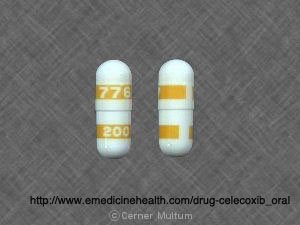
Celebrex oral capsules contain either 50 mg, 100 mg, 200 mg or 400 mg of celecoxib with inactive ingredients including: edible inks, gelatin, croscarmellose sodium, magnesium stearate, sodium lauryl sulfate and povidone.
Celebrex FDA Warnings:
The United States Food and Drug Administration issued supplemental request letters to sponsors of non-steroidal anti-inflammatory drugs requesting that they institute labeling changes to their drugs. These requests include proposed labeling for both over-the-counter and prescription medications. All sponsors of marketed prescription non-steroidal anti-inflammatory drugs should revise their packaging insert to include a boxed warning to highlight the potential for increased risk of cardiovascular events and the potentially life-threatening gastrointestinal bleeding associated with use.
Famous Celebrex Lawsuits:
In recent years, increasing concerns have been raised about potentially fatal Celebrex side effects, including the risk of heart attack and stroke. At this time, most people will no longer be able to pursue a Celebrex settlement--litigation has largely ended, although a class action Celebrex lawsuit on behalf of investors may still proceed in the future.
In 2004, a study was published noting that Celebrex side effects seemed to indicate a greater risk of heart attack and stroke. As a result, in 2005 the FDA ordered that warning information issued with the drug is updated to include these risks. This change prompted many people to file a Celebrex lawsuit. It is not known exactly how much manufacturer Pfizer paid in total for every Celebrex settlement that was reached.
However, it is known that no case involving Celebrex side effects made it to trial on an individual basis--a class action Celebrex lawsuit regarding the drug reached a resolution in 2009. This litigation resulted in an $89 Celebrex settlement as part of a larger lawsuit that also concerned the similar medication Bextra. Technically, this legal action was not concerned with Celebrex side effects. Instead, Pfizer was sued for illegal marketing practices, deceptive promotion and taking economic advantage of consumers with its high-priced medication.
In 2012, a Celebrex lawsuit between Pfizer and Brigham Young University, which helped develop the drug, reached settlement. This litigation was filed because the university claimed that its research was crucial to development of the drug but that the school had been unfairly compensated for its work. The Celebrex settlement was reported to be in the neighborhood of $450 million.
A separate class action Celebrex lawsuit concerning investors has been approved by a judge. As of 2012, this case for a Celebrex settlement has not yet proceeded to trial. The claims made in this Celebrex lawsuit accuse Pfizer of concealing information concerning the risks of heart attack and stroke. Because this caused harm to investors when this information was made public, a Celebrex settlement is being sought on behalf of investors hurt after the stock value declined.
Pfizer is sponsoring a long-term trial regarding Celebrex side effects which will reach conclusion in 2014. The results of this study may provide grounds for more people to file a Celebrex lawsuit. This is likely to be the case if the study discovers that Celebrex side effects include a greater risk of heart attack, stroke or other ailments that are not sufficiently warned against in the current prescription information.At this time, however, anyone seeking a Celebrex settlement would have difficulty proving that they were not sufficiently warned about consumption of the drug after the 2005 update.
Following its introduction to the market, Celebrex was the source of extensive litigation. While the most common form of Celebrex lawsuit took the form of class action litigation, future consumers are unlikely to sue the manufacturer. Most Celebrex lawsuits were filed because of insufficient manufacturer warnings concerning the drug's dangerous and potentially fatal side effects. The information has now incorporated all FDA warnings in an effort to prevent future Celebrex lawsuits.
In order to help patients make an informed decision about embarking on a course of treatment, physicians should elucidate the potential Celebrex side effects. Illumination concerning said effects will help guard doctors protect themselves against a Celebrex lawsuit alleging negligence. In the past, Celebrex lawsuits on behalf of consumers targeted the manufacturer for failing to clearly emphasize the fact that treatment with the drug leads to an increased risk of heart attack and stroke. Additionally, 33 states were involved in a Celebrex lawsuit which targeted the manufacturer over deceptive marketing practices.
Celebrex Side Effects:
The claims advanced in these Celebrex lawsuits were resolved with settlements. Physicians who wish to avoid being the target of a Celebrex lawsuit should outline the adverse reactions which call for immediate medical attention. Patients who notice difficulty breathing or skin reactions such as a rash may be allergic to the medication—both of these Celebrex side effects require immediate medical attention. Celebrex lawsuits concerning negligence cannot be filed against physicians who have not been informed of these side effects and given the chance to help patients.
The presence of Celebrex side effects, regardless of intensity or duration, requires medical intervention. Seek emergency help if any of these signs of an allergic reaction occur: difficulty breathing; hives; swelling of your lips, tongue, throat or face.
Discontinue use and seek immediate medical attention if you face any of the following side effects:
• Bloody, black or tarry stools
• Swelling or rapid weight gain
• Coughing up blood or vomit that resembles coffee grinds
• Chest pains, shortness of breath, slurred speech, problems with balance or speech and weakness
It is important to take the drug exactly as prescribed and not to exceed your dosage in an attempt to alleviate pain. Any adverse effects resulting from misuse or overdose cannot be justification for a Celebrex lawsuit. Since the consequences of disregarding official instructions are your sole responsibility, Celebrex lawsuits cannot be filed against the manufacturer or your physician.
If you receive tainted or improperly manufactured medication from a pharmacy, you may have grounds for a Celebrex lawsuit. It is important to maintain copies of all receipts documenting purchase. Evidence of purchase is required to establish a clear link between adverse effects and consumption of the drug.
Should you wish to file a Celebrex lawsuit against a physician who you feel has been negligent in monitoring your response to the drug, consult with a lawyer who is experienced in malpractice litigation. In the event that you experience adverse reactions not warned against in the prescription information, tell your doctor or report directly to the FDA. Though this is unlikely to occur, such events could possibly be grounds for Celebrex lawsuits. You will need to consult with an attorney experienced in lawsuits of this type to establish whether your case has a high probability of resulting in financial compensation.
Sources:
1. United States National Library of Medicine "Celecoxib" retrieved from:
https://www.ncbi.nlm.nih.gov/pubmedhealth/PMH0001050/
2. https://www.fda.gov/drugs/drugsafety/postmarketdrugsafetyinformationforpatientsandproviders/ucm103420.htm
3. https://www.fda.gov/Drugs/DrugSafety/PostmarketDrugSafetyInformationforPatientsandProviders/ucm124655.html