Boniva Lawsuit
📅 2026 Update: Changes in Product Liability Lawsuits
Since the original article on Boniva lawsuits was published, there have been significant developments in the area of product liability, particularly regarding pharmaceutical products. New lawsuits have emerged, and existing cases have progressed, affecting how individuals approach claims related to drug injuries. The earlier article continues further down the page for more detailed information.
🔍 Ozempic Lawsuits Consolidation
In June 2026, a total of 3,763 lawsuits against Ozempic and similar GLP-1 receptor agonist drugs were consolidated in federal court in Pennsylvania. These lawsuits allege that the drugs cause severe gastrointestinal injuries and vision loss. This consolidation reflects the growing concerns regarding the safety of these medications and their potential long-term effects.
- 🩺 Individual Claims: Patients claiming injuries from Ozempic are filing individual lawsuits within this multidistrict litigation (MDL).
⚖️ Depo-Provera Lawsuit Growth
As of June 2026, the Depo-Provera multidistrict litigation has escalated to over 5,500 cases. Plaintiffs allege a connection between the contraceptive and brain tumors. This increase indicates a significant rise in legal actions against the drug manufacturer regarding potential health risks.
- 💬 Eligibility: Individuals diagnosed with brain tumors after using Depo-Provera may be eligible to file a lawsuit.
💰 Gardasil Lawsuit Settlement
Merck reached a settlement in June 2026, agreeing to pay over $50 million to resolve more than 200 Gardasil-related cases. This settlement includes previously dismissed cases in North Carolina and a long-running case in Los Angeles.
- 🎉 Impact: The settlement reflects a growing trend of legal accountability for pharmaceutical companies regarding vaccine-related injuries.
📅 Upcoming Trials in Ozempic MDL
As of June 2026, no trials have occurred in the Ozempic MDL. However, bellwether trials are expected to start in late 2026 or early 2027. These trials will likely set precedents for future claims and settlements.
- ⚠️ Processing Times: The ongoing complexity of these cases indicates that claim processing will continue for an extended period.
📌 Key Points Summary
- 📈 Consolidation of 3,763 Ozempic lawsuits in Pennsylvania.
- ⚖️ Depo-Provera litigation has over 5,500 active cases.
- 💸 Merck settled Gardasil-related cases for $50 million.
- ⏳ Ozempic MDL trials may begin by late 2026 or early 2027.
💡 Tips for Understanding Product Liability Lawsuits
Review the details of your individual situation with your attorney to understand your options clearly.
🧾 Know Your Eligibility
Before filing a lawsuit, confirm your eligibility based on your medical history and the specific drug involved. For instance, those with severe gastrointestinal injuries or vision loss after using Ozempic may qualify.
📅 File Within Deadlines
Be aware of the filing deadlines for lawsuits related to drugs like Depo-Provera. The first lawsuit was filed on October 1, 2024, and subsequent filings are subject to statutes of limitations.
🏷️ Gather Medical Records
Collect all relevant medical records and documents related to your treatment. This information can strengthen your case and provide evidence of any injuries suffered as a result of the drug.
💬 Utilize Available Resources
Consider seeking information from the FDA, which provides updates on drug safety and adverse events. This can help you stay informed about any related risks.
🤝 Explore Free Legal Assistance
Look for nonprofit organizations that may offer free legal assistance for product liability claims. These resources can guide you through the legal process without incurring high costs.
🏆 Free Options Ranked by User Reviews (2026)
In the area of product liability, no national paid services have met the review threshold for inclusion. Therefore, this section focuses on free government and nonprofit resources available for those affected by drug injuries.
🥇 1. FDA's Role
The FDA provides valuable information regarding drug safety and adverse events. Individuals can access this information to better understand the risks associated with pharmaceutical products.
- 💡 Who it Helps: The FDA assists anyone seeking knowledge about drug-related injuries and how to report adverse events.
🥈 2. Legal Aid Organizations
Various nonprofit organizations exist that may offer free legal help to individuals pursuing product liability claims. These groups often have experience with similar cases and can provide guidance through the legal process.
- 🎯 Who it Helps: Individuals who cannot afford legal representation can benefit from these resources to strengthen their claims without financial burden.
🥉 3. Consumer Advocacy Groups
Many consumer advocacy groups focus on protecting individuals from unsafe products. These organizations often publish reports and provide resources related to drug safety.
- 📞 Who it Helps: Consumers looking for support and information about their rights regarding defective products can reach out to these advocates.
4️⃣ State Health Departments
State health departments monitor drug safety and can provide information about drugs linked to adverse effects. They also offer resources on how to report injuries related to medications.
- 📊 Who it Helps: Residents seeking local assistance and information regarding their health concerns connected to pharmaceutical products can utilize state resources.
🔎 What to Check Before Paying for Help
- 🔍 Investigate reviews of any service.
- 🏛️ Verify the organization's credentials.
- 📄 Ensure they provide clear contract terms.
- 💰 Confirm there are no hidden fees.
❓ Frequently Asked Questions
❔ What are the common side effects of Ozempic?
🩺 Common side effects of Ozempic can include nausea, diarrhea, and vomiting. Some patients report more severe issues, leading to lawsuits alleging serious injuries.
❓ How can I file a lawsuit against Depo-Provera?
📄 Individuals can file a lawsuit by gathering documentation of their medical history and injuries, then submitting their claims within the applicable deadlines.
❔ What is a bellwether trial?
⚖️ A bellwether trial is a test case in multidistrict litigation that helps gauge how juries might respond to similar cases. It can influence the outcomes of future claims.
❔ How are settlements determined in these cases?
💸 Settlements are often determined based on the severity of injuries, medical expenses, and the impact on the plaintiff's life. Each case is evaluated individually.
❔ Are there risks associated with Gardasil?
⚠️ Yes, there have been allegations linking Gardasil to various health issues, prompting lawsuits. However, many users do not report significant side effects.
❔ What is the purpose of the FDA hearing for Vanda Pharmaceuticals?
🔍 The FDA hearing aims to review Vanda Pharmaceuticals' challenge regarding the rejection of its drug Hetlioz for treating jet lag disorder. This process could impact future drug approvals.
⚖️ Recent Cases Related to Product Liability
Several recent court rulings highlight ongoing issues in product liability law, particularly concerning drug safety and manufacturer accountability. These cases reflect the evolving landscape of lawsuits involving pharmaceutical products.
- New York court upholds drug conviction of Shamere ThomasAppellate Division of the Supreme Court of the State of New York · October 9, 2026
- Texas court grants appeal rights to convicted drug offenderCourt of Criminal Appeals of Texas · October 8, 2026
- Texas court rules on appeal waivers in drug caseCourt of Criminal Appeals of Texas · October 8, 2026
- Court orders new trial for man in drug possession caseDistrict Court of Appeal of Florida · October 14, 2026
For more recent rulings, feel free to browse more rulings on the news page.
End of October 2026 Update
A Brief Guide to Filing a Boniva Lawsuit
As a popular biophosphonate, Boniva is issued to post-menopausal women to protect against the risk of developing osteoporosis. Although effective, Boniva may produce rare side effects including an increased risk of developing unusual bone fractures.
Because of these reactions, the FDA in 2010, requested further review to affirm the link between biophosphonates and the development of unusual fractures, particularly in the femur. The results of the study, offered by the American Society for Bone and Mineral Research, showed 291 out of the 330 patients developed atypical fractures as a result of boniva use.
Bearing these risks in mind, the FDA ordered a 2010 update of warning label information concerning these potential Boniva side effects. Similar warnings were included in the labeling information of all biophosphonates. To date, this finding has not produced any notable Boniva lawsuit; no patient suffering from an atypical fracture has sought compensation from Boniva’s manufacturer.
The FDA is still considering what steps to take to minimize Boniva side effects. Currently, the agency recommends that a course of Boniva treatment be capped at five years; studies reveal that the risk of Boniva side effects increased with multi-year use.
In addition to abnormal fractures, patients should be alert to the possibility of developing osteonecrosis of the jaw (ONJ). One study found that slightly more than 120 patients taking biophosphonates reported developing this condition between 2001 and 2006. While patients are cautioned of such Boniva side effects in the prescription information, it may still be possible to pursue litigation in such cases.
Famous Boniva Lawsuits:
To date, no notable successful Boniva lawsuit concerning adverse effects has been reported. However, litigation was filed against manufacturer Roche Laboratories in 2006. In this Boniva lawsuit, competitors Proctor & Gamble and SanofiAvents accused the company of selling the drug under false pretenses. The case was eventually thrown out by the U.S. District court. In their decision, the court concluded that the Boniva lawsuit stemmed from a desire to weaken the drug's share of the marketplace.
Filing litigation over Boniva side effects may be difficult, since no significant Boniva lawsuit has been reported. While mounting clinical data over Boniva side effects and bone fractures can help provide the foundation for such a case, an attorney must be hired to demonstrate that a patient was not sufficiently warned of these dangers.
As the FDA considers how to make the drug safer, legal action against Roche Laboratories has not been currently reported. Multiple patients experiencing bone fractures may pursue a class action Boniva lawsuit. This will require the hiring of a lawyer to assemble multiple plaintiffs' complaints and demonstrate manufacturer negligence. Since no Boniva lawsuit on such grounds has reached a public resolution, it is difficult to know whether such actions would result in compensation.
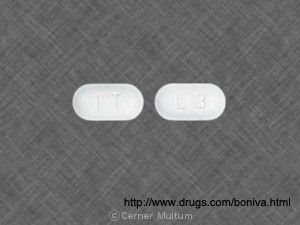
Boniva and the FDA:
In October of 2010, the United States Food and Drug Administration issued warnings on Boniva. The agency linked use of Boniva—as well as other popular osteoporosis drugs—to the development of the aforementioned fracture of the thigh bone. The agency issued this warning in response to an ongoing agency review of the effectiveness and safety of biophosphonates to treat or prevent osteoporosis.
Although this review altered the prescription warning found on Boniva’s product label, the FDA advised patients to keep taking the drugs unless specifically told by their doctors to discontinue use.
Sources:
1. FDA Issues Warning on Bone Drugs New York Times October 13th 2010, by Duff Wilson, retrieved from:
https://prescriptions.blogs.nytimes.com/2010/10/13/f-d-a-issues-warning-on-bone-drugs/
2. https://www.fda.gov/drugs/drugsafety/postmarketdrugsafetyinformationforpatientsandproviders/ucm101551.html
3. https://www.dailyfinance.com/2010/10/13/fda-warns-about-boniva-fosamax-and-other-osteoporosis-drugs/
4. United States National Library of Medicine "Ibandronate" retrieved from:
https://www.ncbi.nlm.nih.gov/pubmedhealth/PMH0000318/