Ephedrine Lawsuit
📅 2026 Update: Recent Developments in Product Liability Law
Since the original article was published, there have been significant changes in product liability lawsuits, particularly concerning drugs like Ozempic and Depo-Provera. These developments highlight ongoing legal actions and settlements that affect consumers. The earlier article continues further down the page for more detailed information.
🚨 Ozempic Lawsuits Consolidation
As of June 2026, there are 3,763 lawsuits against Ozempic and related GLP-1 receptor agonist drugs. These cases allege severe gastrointestinal injuries and vision loss. They have been consolidated in federal court in Pennsylvania, which may streamline the legal process for affected patients.
💰 Gardasil Lawsuit Settlement
Merck has agreed to pay over $50 million to resolve more than 200 Gardasil-related cases as of June 2026. This settlement includes cases previously dismissed, indicating the complexity and ongoing nature of product liability claims in the pharmaceutical sector.
🧪 Depo-Provera Lawsuit Growth
By June 2026, the number of cases in the Depo-Provera multidistrict litigation reached over 5,500. These lawsuits allege a connection between the contraceptive and brain tumors. The rising number of cases suggests heightened scrutiny and legal expenses for the companies involved.
⚖️ Strive Pharmacy Antitrust Lawsuit
A federal antitrust complaint was filed against Eli Lilly and Novo Nordisk by Strive Specialties Inc. on January 14, 2026. The complaint accuses these companies of suppressing competition in the GLP-1 weight-loss drug market, which could affect the availability of similar drugs.
📅 Vanda Pharmaceuticals vs. FDA
In March 2026, Vanda Pharmaceuticals was granted a formal evidentiary public hearing regarding its drug Hetlioz. This marks the first such hearing in over 40 years and indicates evolving regulatory dynamics that can impact drug approval and patient access.
📌 Key Takeaways
- 🚨 Ozempic lawsuits total 3,763 in Pennsylvania federal court.
- 💰 Gardasil settlement exceeds $50 million for over 200 cases.
- 🧪 Depo-Provera cases have grown to over 5,500.
- ⚖️ Strive Pharmacy filed an antitrust complaint against major drug companies.
- 📅 Vanda Pharmaceuticals received a historic hearing from the FDA.
💡 Tips for Navigating Product Liability Claims
Review the details of your situation with your attorney to understand your options fully.
📝 Understand Eligibility Criteria
To file a lawsuit related to Ozempic, you must have developed severe gastrointestinal injuries or vision loss after taking the drug. Ensure you meet these criteria to pursue a claim.
⏳ Be Aware of Filing Deadlines
The first Depo-Provera meningioma lawsuit was filed on October 1, 2024. Subsequent filings must adhere to applicable statutes of limitations, so it’s important to act quickly if you believe you have a case.
👩⚕️ Gather Medical Documentation
Collect all medical records and documentation that can support your claim. This includes medical diagnoses, treatment records, and any other relevant information linking your health issues to the drug in question.
📞 Seek Free Resources
Utilize resources from the FDA and legal aid organizations for information and assistance. These resources can provide valuable support without the cost of hiring a private attorney.
⚖️ Stay Informed About Ongoing Cases
Keep track of ongoing lawsuits and settlements in the pharmaceutical sector. Understanding these developments can help you gauge the strength of your claim and the potential for resolution.
🏆 Free Options Ranked by User Reviews (2026)
In the area of product liability claims, no national paid service met the review threshold for this topic, so it's essential to explore free government and nonprofit resources that can assist individuals.
🥇 1. FDA’s Role
The FDA provides essential information on drug safety and reports on adverse events. This information can help individuals understand potential risks associated with medications and assist in claims related to pharmaceutical injuries.
🥈 2. Legal Aid Organizations
Nonprofit organizations often offer free legal assistance to individuals pursuing product liability claims. They can provide guidance on navigating the legal landscape and help connect you with resources tailored to your needs.
🥉 3. State Health Departments
State health departments may offer information about public health issues related to medications. They can be a valuable resource for understanding the broader implications of drug-related health concerns.
4️⃣ Community Health Clinics
Many community health clinics provide support for individuals seeking medical care. They may also have resources available for those affected by pharmaceutical products, including referrals to legal aid.
5️⃣ Consumer Protection Agencies
Local consumer protection agencies can guide you on your rights regarding defective products. They can help you learn more about potential claims and what steps to take if harmed by a product.
🔎 What to Check Before Paying for Help
- 🏢 Verify credentials of any service provider.
- 📜 Review success rates and user experiences.
- 🤑 Understand fees and payment structures.
- 📞 Look for free consultations to assess your case.
- 📅 Check for deadlines related to your claims.
❓ Frequently Asked Questions
❓ What are the main allegations in the Ozempic lawsuits?
Patients allege that Ozempic and similar drugs cause severe gastrointestinal injuries and vision loss, leading to the current consolidated lawsuits.
❓ How many Depo-Provera lawsuits have been filed?
As of June 2026, there are over 5,500 lawsuits alleging a link between Depo-Provera and brain tumors.
❓ What does the Gardasil settlement cover?
The settlement covers more than 200 cases related to Gardasil, including those that were previously dismissed in other jurisdictions.
❓ How can I file a lawsuit for these issues?
Individuals must gather medical documentation, understand their eligibility, and file claims within the applicable statutes of limitations.
❓ What resources are available for legal assistance?
The FDA and various nonprofit organizations offer free resources and legal aid for those pursuing product liability claims.
❓ What is the significance of the Vanda Pharmaceuticals hearing?
This hearing represents a rare opportunity for a drug company to challenge the FDA's decisions, which could impact future drug approvals and regulations.
⚖️ Recent Cases Related to Product Liability
Recent court rulings highlight ongoing issues in product liability law, particularly concerning pharmaceuticals. These cases reflect the complexities and challenges faced by consumers and the legal system.
- Court rules on liability in car accident case involving loanerDistrict Court of Appeal of Florida · August 19, 2026
- Court rules on liability in slip-and-fall case at wedding venueAppellate Division of the Supreme Court of the State of New York · August 19, 2026
- Ohio court modifies drug conviction ruling for Darius BurksOhio Court of Appeals · August 20, 2026
- New Mexico court upholds suppression of drug evidence in caseNew Mexico Court of Appeals · August 20, 2026
You can browse more rulings on the news page for the latest updates and detailed information on recent cases.
End of October 2026 Update
A Brief Guide to Filing an Ephedrine Lawsuit
What is Ephedrine?
Ephedrine, which is no longer available for sale in the United States, is a stimulant, concentration aid, appetite suppressant and decongestant. The bulk of Ephedrine use—when the drug was available for purchase—revolved around weight loss.
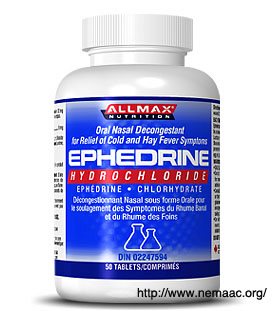
The United States Food and Drug Administration, in 2006, banned Ephedrine from U.S. markets because the drug presented an unreasonable risk, including undue stress on the heart.
Ephedrine Side Effects:
Ephedrine side effects ultimately barred the product from U.S. markets. Although Ephedrine side effects, because of its banning may seem trivial, it is still important to understand the risks associated with similar diet drugs.
Common Ephedrine Side Effects include: Headache; dizziness; nervousness; loss of appetite; restlessness; sleeplessness; stomach irritation; tremors.
More severe Ephedrine Side Effects include: The development of rash/hives (allergic reactions; tightness in the chest; difficulty urinating; difficulty breathing.
Severe Ephedrine side effects require immediate medical attention. Although these Ephedrine side effects posed great risk, the FDA-sanctioned removal was initiated because of the drug’s potentially fatal side effects.
Ephedrine is an adrenaline-like stimulant that yielded severe side effects on the heart. In addition to these ephedrine side effects, numerous studies revealed only marginal success with regards to weight loss, sports performance and energy. Therefore, the FDA ruled that ephedrine side effects greatly outweighed the drug’s benefit, thus prompting a removal from the marketplace.
Ephedrine and the FDA:
Since the 1980’s and up until its banning in 2006, Ephedrine (marketed as Ephedra) was a popular weight loss and sports-performance enhancing drug. In 1997, the United States Food and Drug Administration proposed a ruling that would remove all supplements containing 8 mg or more ephedrine from the market. This proposal, which also required stronger warning labels on all Ephedrine-based products, was ultimately withdrawn in 2000. The regulation effort; however, gained momentum in 2001, when Minnesota Vikings football player Korey Stringer, as a result of ephedra use and other factors, suffered a fatal heatstroke.
Following numerous trials and studies of Ephedrine side effects, the FDA issued a consumer alert, advising potential Ephedrine buyers to stay away from the dangerous product. On February 6th of 2004, the FDA issued their ruling to effectively ban the sale of all dietary supplements containing ephedra. This banning; however, was ultimately reversed on April 14th of 2005 when Judge Tena Campbell of the Federal District Court in Utah overturned the FDA ban. Judge Campbell reversed the ban in this Ephedrine lawsuit because the FDA came to their decision based on a risk-benefit analysis, which is deemed inappropriate for supplements under a 1994 law known as the Dietary Supplement Health and Education Act. Moreover, in this Ephedrine lawsuit, the Judge ruled the FDA to lack sufficient evidence to conclude that products with 10 mg or less of ephedrine posed a significant risk to users. As a result of this Ephedrine lawsuit, products with 10 mg or less of Ephedrine were reinstated for sale.
On August 17th of 2006, an Ephedrine lawsuit was brought to the federal appeals court. This Ephedrine lawsuit upheld the ban by overturning the previous ruling that permitted the sale of products containing 10 mg or less of Ephedrine. In this Ephedrine lawsuit, the court ruled that the administrative record compiled by the FDA, which included 19,000 reports of adverse Ephedrine side effects, was sufficient to support the initial ban.
Ephedrine Lawsuits:
Several Ephedrine lawsuits were filed in response to the aforementioned Ephedrine side effects; between 1994 and 1999, more than 30 Ephedrine lawsuits were settled out-of-court by manufacturers and sellers of the drug. The bulk of settlements were notably large, such as the 2001 case that saw a woman collect of 13.3 million dollars for damages related to a stroke. These ephedrine lawsuits were filed by users who suffered severe adverse reactions—one’s that prompted remuneration for pain and suffering, lost wages and medical expenses. Currently, the sellers and manufacturers of ephedra-containing supplements face hundreds of wrongful death and personal injury Ephedrine lawsuits by former users and/or their family members.
Listed below are some prominent Ephedrine Lawsuits:
• In 2003, a California court ruled that an Ephedrine manufacturer pay $12.5 million to users who took the weight-loss supplement.
• The widow of a former user filed a $600 million Ephedrine lawsuit against the maker of the supplement implicated in her husband’s death.
• In 2004, a Texas court in a famous Ephedrine lawsuit awarded a woman $7.4 million against an Ephedrine seller after she suffered severe brain damage from a stroke following use.
Typical issues in Ephedrine lawsuits revolve around claims regarding the sellers’ and/or manufacturers’ misstatements concerning the efficacy and safety of their supplements. In addition to private Ephedrine lawsuits, the USFDA may still file Ephedrine lawsuits against retailers or manufacturers for the sale or creation of Ephedrine-based products—these Ephedrine lawsuits may be initiated in any federal district except the Central District of Utah.
Any individual who used Ephedrine-based supplements, and as a result, suffered a heart attack, stroke or other severe side effect, may file an Ephedrine lawsuit. If you are eligible for Ephedrine lawsuits, you must consult with a toxic tort attorney. Hiring an attorney to facilitate your Ephedrine lawsuit is essential; you must secure representation within your state’s unique statute of limitations.
When choosing a lawyer, you should hire an individual who is experienced with Ephedrine lawsuits. Experienced Ephedrine lawyers will be able to calculate the odds of winning your Ephedrine lawsuit, as well as the suspected amount of compensation you will receive.
After selecting your lawyer, you will need to provide the professional with the following information to bolster your Ephedrine lawsuit:
• The name, ingredients and dosage schedule of the Ephedrine-containing product(s) that caused your injuries/conditions.
• Documented evidence of your ephedrine-related injury. Information must elucidate when the injury occurred and whether you were using the product at that specific time.
Ephedrine lawsuits, without the above information, would not be undertaken by a legal professional.
Sources:
1. FDA Acts to Remove Ephedra-Containing Dietary Supplements From Market retrieved from
https://www.fda.gov/NewsEvents/Newsroom/PressAnnouncements/2004/ucm108379.html
2. "National Center for Complementary and Alternative Medicine Consumer Advisory on ephedra". 2004-10-01
3. FDA Final Rule Banning Dietary Supplements With Ephedrine Alkaloids Becomes Effective. Accessed from FDA website
4. https://www.fda.gov/NewsEvents/Newsroom/PressAnnouncements/ucm282537.htm