Dilantin Lawsuit
📅 2026 Update: Drug Lawsuits and Legal Developments
Since the original article was published, there have been significant developments in the landscape of drug-related lawsuits. These changes reflect ongoing issues related to product liability and the legal claims surrounding pharmaceuticals. The earlier article continues further down the page, providing foundational information about these important legal topics.
🩺 Recent Lawsuit Consolidations
In June 2026, 3,763 lawsuits against Ozempic and similar drugs were consolidated in federal court in Pennsylvania. These lawsuits allege severe gastrointestinal injuries and vision loss linked to the drug. This consolidation highlights the increasing number of claims and the complexities of managing such a large volume of cases.
💰 Gardasil Settlement Update
Merck reached a settlement of over $50 million in June 2026 to resolve more than 200 Gardasil-related cases. This settlement includes cases that were previously dismissed, showing a shift in how courts are handling claims related to this vaccine. The resolution of these cases emphasizes the ongoing scrutiny of vaccine safety and manufacturer accountability.
📈 Growth of Depo-Provera Lawsuits
As of June 2026, the Depo-Provera multidistrict litigation has grown to more than 5,500 cases. These lawsuits allege a link between the contraceptive and brain tumors. The significant increase in claims indicates that more individuals are coming forward with their experiences, potentially leading to further legal action.
⚖️ Ozempic Lawsuit Claims
Patients alleging injuries from Ozempic are filing individual lawsuits in the multidistrict litigation in Pennsylvania. Those who developed serious gastrointestinal injuries or vision loss may be eligible to file claims. This ongoing litigation underscores the importance of patient safety and the accountability of pharmaceutical companies.
📌 Key Points Summary
- 🩺 3,763 lawsuits against Ozempic consolidated in 2026.
- 💰 Merck paid over $50 million for Gardasil settlements.
- 📈 Depo-Provera MDL has over 5,500 cases as of June 2026.
- ⚖️ Individuals with injuries from Ozempic can file claims.
- 📌 Ongoing litigation reflects critical issues in drug safety.
💡 Tips for Understanding Legal Claims Related to Pharmaceuticals
Consider discussing the details of your own situation with your attorney.
📝 Document Your Medical History
Keep a detailed record of your medical history, including any medications taken. This documentation can be crucial if you pursue a claim related to drug side effects.
🗓️ Be Aware of Filing Deadlines
Filing deadlines can vary based on state laws. It’s important to know the statutes of limitations that apply to your situation to ensure your claim is filed on time.
👩⚕️ Seek Medical Attention
If you suspect you have experienced negative effects from a drug, seek medical attention immediately. Documenting your symptoms and obtaining a medical evaluation can support your legal claims.
📞 Contact Legal Aid Organizations
Look for nonprofit legal aid organizations that may provide assistance with pharmaceutical injury claims. These resources can help guide you through the legal process without the burden of high fees.
📚 Stay Informed About Ongoing Cases
Keep up to date on ongoing lawsuits related to drugs you have taken. Understanding the progress of these cases can provide insight into potential outcomes for your own situation.
🧾 Review Product Information
Always review the product information and warnings associated with medications. Being informed about potential side effects can help you make better decisions regarding your health.
🏆 Free Options Ranked by User Reviews (2026)
No national paid service in this area met the review threshold, so this section lists free government and nonprofit resources available to assist individuals with product liability claims.
🥇 1. FDA's Role in Drug Safety
The FDA provides essential information regarding drug safety and adverse events. Individuals seeking information about pharmaceutical injuries can benefit from the resources the FDA offers.
🥈 2. Legal Aid Organizations
Nonprofit organizations often provide free legal assistance to those pursuing product liability claims. These organizations can help navigate the complexities of the legal system without charging fees.
🥉 3. State Health Departments
State health departments offer resources and guidance for individuals affected by drug-related issues. They can provide details on reporting adverse events and accessing healthcare services.
4️⃣ Public Health Advocacy Groups
Public health advocacy groups may offer support and information for individuals seeking to understand the risks associated with pharmaceuticals. They can connect individuals with resources for legal assistance.
5️⃣ Consumer Protection Agencies
Consumer protection agencies provide information on consumer rights and may assist individuals with claims against pharmaceutical companies. They focus on ensuring that consumers are treated fairly in the marketplace.
🔎 What to Check Before Paying for Help
- 📋 Understand your rights as a consumer.
- 🔍 Research the organization’s reputation and reviews.
- 💬 Ask about any fees upfront to avoid surprises.
- 📞 Confirm the type of assistance offered aligns with your needs.
❓ Frequently Asked Questions
❓ What are the eligibility requirements for filing a lawsuit against a drug company?
Individuals who have suffered injuries or adverse effects from a drug may be eligible to file a lawsuit. Specific eligibility criteria depend on the nature of the claims and the drug involved.
⚠️ How do I know if I have a valid claim?
A valid claim typically requires evidence of injury linked to the drug, such as medical records or documented side effects. Consulting legal resources can help clarify your situation.
🏛️ What is multidistrict litigation (MDL)?
Multidistrict litigation is a legal procedure that consolidates similar cases to streamline court processes. This can help manage a large number of lawsuits efficiently.
📞 How can I find a good legal aid organization?
Research local nonprofit organizations that specialize in consumer rights and product liability. They often provide free consultations to help determine eligibility for assistance.
📅 How long do these lawsuits usually take?
The duration of lawsuits can vary widely, often depending on the complexity of the case and the number of claims involved. Some cases may take years to resolve.
📖 Where can I find updates on ongoing lawsuits?
You can stay informed by checking official court websites and legal news outlets that cover pharmaceutical litigation. These sources provide regular updates on case progress and outcomes.
⚖️ Recent Cases Related to Drug Lawsuits
Recent court rulings have highlighted ongoing issues with drug safety and liability claims. These cases connect directly to concerns raised in this article about pharmaceuticals and their potential risks.
- Florida court rules on sentencing issues in drug caseDistrict Court of Appeal of Florida · November 3, 2023
- Court rules on liability in dog bite case involving police K-9New York Court of Claims · September 30, 2025
- Florida court affirms ruling in tobacco liability caseDistrict Court of Appeal of Florida · November 4, 2020
- Florida Court Dismisses Governor's Appeal on Education LawsuitDistrict Court of Appeal of Florida · December 21, 2020
For more recent rulings, check out more rulings on the news page.
End of October 2026 Update
What is Dilantin?
As the brand name of Phenytoin, Dilantin is used to control, treat and prevent certain types of seizures that begin during or following surgery to the nervous system or brain. Dilantin belongs to a class of medications called anticonvulsants; the drug is effective by decreasing abnormal electrical activity in the brain.
Dilantin is the injection form of Phenytoin and has been known to yield the following side effects:
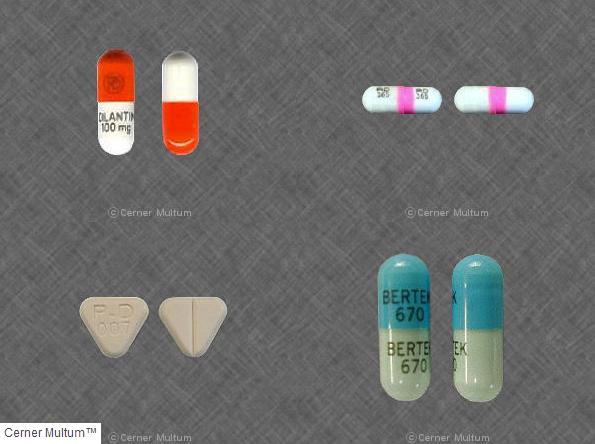
Dilantin Side Effects:
Dilantin side effects may occur regardless of your dosage levels or adherence to intake instructions. As a general Dilantin side effect, the drug may cause an increase in your blood sugar levels. Please talk to your doctor concerning the below Dilantin side effects:
· Common Dilantin Side Effects: difficulty falling or staying asleep; confusion; slower thinking; vomiting; unwanted hair growth; enlargement of lips; curving or pain in the penis; overgrowth of gums; vomiting; constipation; nausea; headache; slurred speech; slowed thinking
Some Dilantin side effects may be severe. If you experience the following Dilantin side effects, please seek immediate medical help:
· Serious Dilantin Side Effects: fever; blisters; swollen glands; yellowing of the eyes or skin; unusual bleeding or bruising; loss of appetite; pain in the upper portion of the stomach; joint pain; flu symptoms.
Dilantin side effects may take other forms. Please contact your doctor if you experience any adverse reaction while using Dilantin.
If you experience serious Dilantin side effects, you or your doctor may file a report to the United States Food and Drug Administration’s MedWatch Adverse Event Reporting program by phone at 1-800-332-1088 or online at https://www.fda.gov/Safety/MedWatch.
Dilantin FDA Regulations:
The following information concerns Dilantin FDA Regulations, which are instituted by the federal agency to warn manufacturers, healthcare professionals and the general public of the risks associated with prescription drugs. The most important Dilantin FDA regulation is the Boxed Warning. This Dilantin FDA regulation is placed directly placed on the drug’s packaging materials to warn consumers of the following risks:
· Dilantin FDA Regulation Boxed Warning: This Dilantin FDA regulation states that cardiovascular risk is associated with rapid infusion of Dilantin. When administered via IV, the Dilantin dose should not exceed 50 mg per minute in adults and 1-3 mg in pediatric patients. This Dilantin FDA regulation regarding dosage strength is implemented because of the risk of severe cardiac arrhythmias and hypotension. Cardiac monitoring is required during and after IV administration of Dilantin. Risks of cardiovascular toxicity increases with IV administration beyond the recommended dose; however, these risks have been reported at or below the recommended infusion rate.
· Another Dilantin FDA regulation warns of Serious Dermatologic Reactions. If a rash forms, the patient must be evaluated for signs and symptoms of Eosinophilla. The most common skin reactions caused by the drug—and the medical condition that prompts the bulk of Dilantin lawsuits—is Stevens - Johnson syndrome.
Dilantin Lawsuits:
As stated above, the wide majority of Dilantin lawsuits stem from the development of Stevens Johnson Syndrome and it’s more severe cousin—Epidermal Necrosis Syndrome. Stevens Johnson Syndrome is a skin disorder that typically results from an allergic reaction to over-the-counter medication. The condition, which promotes cell death, is fatal in roughly 15% of cases. Early symptoms include fever, headaches, sore throat. As the disease evolves, the patient will suffer from blisters and skin lesions. If the lesions adhere to the sufferer’s lungs, the condition may cause death. In addition to this condition, numerous Dilantin lawsuits have been filed as a result of birth defects.
Dilantin side effects of taking the drug during pregnancy may cause life threatening consequences. Those who experience these Dilantin side effects are encouraged to filing Dilantin lawsuits. If successful, the Dilantin lawsuit will provide a Dilantin settlement to offset the costs associated with the condition-- Dilantin settlements are used to offset lost wages from missed work, medical expenses and pain and suffering.
Dilantin lawsuits, just last year, developed into a smaller-scale mass tort, as dozens of individual Dilantin lawsuits were recently filed claiming that the drug caused horrendous and life-altering skin burns. These Dilantin lawsuits allege that the drug accused Stevens Johnson Syndrome and its more severe offspring, Toxic Epidermal Necrolysis.
Plaintiffs in these Dilantin lawsuits are proceeding individually and there are no plans to petition for multidistrict litigation. Various legal professionals estimate around 300 Dilantin lawsuits alleging similar actions have been filed throughout the United States. None of these Dilantin lawsuits have formally gone to trial as Pfizer has opted to resolve a number of cases for confidential Dilantin settlements.
In October of last year, a Dilantin lawsuit filed by the family of a 9 year-old girl who died after being treated with Dilantin, procured a Dilantin settlement against Pfizer for $3.78 million. In addition to these Dilantin lawsuit examples, a number of other cases have been filed against Pfizer for the drug’s severe side effects. If you have been injured as a result of Dilantin use, please contact a drug, product liability or pharmaceutical doctor concerning your legal options.
Your ability to procure Dilantin settlements is dependent on you definitively proving the following: you must affirm that use of Dilantin directly caused your injury and that you were not properly warned of said injury. That being said, if you suffer a life-altering Dilantin side effect—such as Stevens Johnson Syndrome—you will not be required to prove insufficient warning. If you file a successful suit, Dilantin settlements will be awarded to offset the costs of your medical condition-- Dilantin settlements are used to remunerate for medical expenses, pain and suffering and lost wages due to missed work.
Sources:
1.https://www.fda.gov/Safety/MedWatch/SafetyInformation/ucm243476.htm
2.https://www.fda.gov/Drugs/DrugSafety/PostmarketDrugSafetyInformationforPatientsandProviders/ucm124788.htm
3.United States National Library of Medicine “Phenytoin” retrieved from: https://www.ncbi.nlm.nih.gov/pubmedhealth/PMH0000549/