Airsoft Gun
📅 2026 Update: Changes in Airsoft Gun Product Liability
Since the original article was published, there have been significant developments in product liability laws that impact airsoft guns and similar products. These changes reflect ongoing discussions about safety, consumer rights, and the responsibilities of manufacturers. The earlier article continues further down the page, providing more background on airsoft guns and product liability.
⚖️ New Jersey Gun Industry Liability Law
In 2022, New Jersey passed a law known as A1765. This law allows lawsuits against gun industry members for creating a "public nuisance." In September 2026, the Third Circuit Court of Appeals approved a challenge to this law. This case could potentially reach the U.S.
Supreme Court, setting a precedent for similar laws in other states.
🛒 E-commerce Liability in Minnesota
In April 2026, the Eighth Circuit Court of Appeals asked the Minnesota Supreme Court if e-commerce platforms, like Amazon, are responsible for defective products sold by third parties. This question could affect how airsoft guns and other products are sold online. A ruling could influence liability for sellers in the future.
🚗 Ford Vehicle Recall
In October 2025, Ford recalled over 1.4 million vehicles due to defective rearview cameras. While this recall is not directly related to airsoft guns, it highlights ongoing concerns about product safety. The free replacements for these cameras became fully available in mid-2026.
🔍 AI Liability and Consumer Protection
As of September 2026, former FTC Chair Lina Khan stated that existing U.S. laws can hold AI companies accountable for dangerous or defective products. This includes products like airsoft guns if they involve AI technology. This change emphasizes the importance of safety in product design and marketing.
📌 Key Points Recap
- ⚖️ New Jersey's law may lead to lawsuits against gun makers.
- 🛒 E-commerce platforms could be liable for third-party product defects.
- 🚗 Ford's large vehicle recall highlights safety concerns in all products.
- 🔍 AI companies face accountability for defective products, affecting airsoft guns.
- 📋 Ongoing discussions around consumer rights and product safety continue.
💡 Tips for Reporting Defective Airsoft Guns
Review the details of your specific situation with your attorney.
🏷️ Report Defective Products Immediately
If you find a defective airsoft gun, report it right away. Prompt action can prevent injuries and help others avoid similar issues.
📞 Use Consumer Reporting Resources
In Cyprus, you can report defective products to the Cypriot Consumers' Association. They offer free assistance to consumers who encounter issues with products.
🧩 Check Product Features
When buying airsoft guns, ensure they meet safety regulations. Look for features like the mandated orange tip, which indicates they are not real firearms.
📝 Know Your Rights
Understand your rights as a consumer regarding defective products. Many countries have laws that protect consumers from unsafe goods and allow for claims against manufacturers.
🔍 Stay Informed About Recalls
Keep an eye on recall announcements related to airsoft guns and similar products. Manufacturers are required to inform the public about safety issues.
🏛️ Understand Local Laws
Familiarize yourself with local laws regarding airsoft guns. These laws can affect how products are sold and what responsibilities manufacturers have.
🏆 Free Options Ranked by User Reviews (2026)
No national paid service met the review threshold for reporting defective airsoft guns. However, there are free government and nonprofit resources that can assist consumers.
🥇 1. Cypriot Consumers' Association
The Cypriot Consumers' Association helps consumers report defective products, including airsoft guns. They offer guidance on how to navigate complaints and ensure consumer rights are protected.
🥈 2. Local Consumer Protection Agencies
Many countries have local consumer protection agencies. These agencies provide resources and support for consumers dealing with defective products, including reporting mechanisms and legal guidance.
🥉 3. Regulatory Bodies
Regulatory bodies often oversee product safety standards. They can provide information on safety regulations and help consumers understand their rights regarding defective products.
4️⃣ Public Health Departments
Public health departments may offer guidance on safety concerns related to airsoft guns. They can advise consumers on reporting unsafe products and navigating health-related issues.
🔎 What to Check Before Paying for Help
- 📜 Verify the service's reputation and reviews.
- 📞 Confirm if they offer free options or assistance.
- ⚖️ Check if they are certified or accredited.
- 🏷️ Look for transparency in their fees and services.
❓ Frequently Asked Questions
❓ What should I do if my airsoft gun is defective?
If your airsoft gun is defective, report it immediately to the manufacturer or retailer. You can also contact local consumer protection agencies for guidance.
🔍 How can I find out about recalls for airsoft guns?
To find recall information for airsoft guns, check with consumer protection agencies and the manufacturer's website. They often publish recall notices for defective products.
📞 Can I report a defective airsoft gun in other countries?
Yes, many countries have consumer protection agencies where you can report defective products. Each country has its own reporting system.
⚖️ What rights do I have as a consumer in the U.S.?
In the U.S., consumers have the right to report defective products and seek remedies. Laws vary by state, so checking local regulations is important.
🛒 Are online retailers responsible for defective airsoft guns?
Online retailers may be held liable for defective products sold on their platforms. This depends on local laws and the specifics of the case.
🔍 What is the role of safety regulations for airsoft guns?
Safety regulations for airsoft guns help ensure that products are safe for consumers. These regulations often include requirements like markings to distinguish them from real firearms.
⚖️ Recent Cases Related to Airsoft Guns
Recent court rulings have influenced product liability laws, particularly concerning airsoft guns and the responsibilities of manufacturers. Courts are increasingly examining how laws apply to the sale and safety of these products.
- Court rules on liability in Mella v. Russian Samovar caseAppellate Division of the Supreme Court of the State of New York · October 20, 2026
- Puerto Rico court revokes dismissal of inmate's lawsuitTribunal De Apelaciones De Puerto Rico/Court of Appeals of Puerto Rico · August 13, 2026
- Puerto Rico court affirms dismissal of Ruiz Romero's lawsuitTribunal De Apelaciones De Puerto Rico/Court of Appeals of Puerto Rico · August 11, 2026
- Puerto Rico court dismisses class action against phone companyTribunal De Apelaciones De Puerto Rico/Court of Appeals of Puerto Rico · August 13, 2026
For more details, you can browse recent rulings in the news section.
End of October 2026 Update
What is an Airsoft Gun?
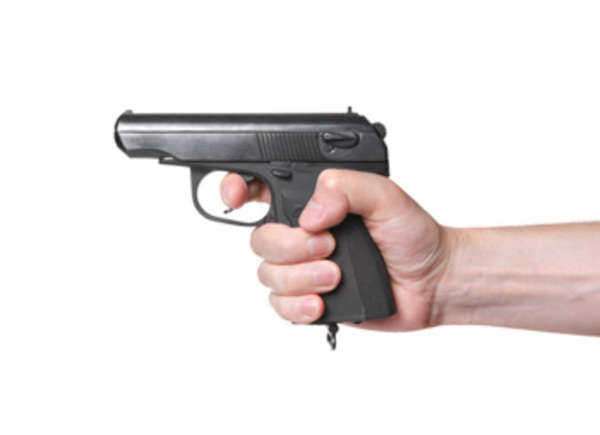
Airsoft guns are replica firearms that use plastic pellets, commonly known as BBs. The firing mechanism typically involves compressed gas or spring-driven motors. They are marketed as a non-lethal firearm and are normally associated with recreational activities. Airsoft guns are commonly a part of group games, similar to paintball, reenactments and are also used for police and military training. There are numerous manufacturers of airsoft guns and they come in many forms, especially replicas of classic weapons such as the AK-47 and the Kalishnikov rifle.
Dangers Associated With Airsoft Guns
Most airsoft guns are effectively harmless. The average, manufacturer designated gun, fires a round at under 350 ft/s which is just fast enough to break the skin from close range. Airsoft guns do have the potential for being made to shoot at speeds ranging from 65 ft/s to 700 ft/s. At levels of 700 ft/s the effects of a hit from a pellet could be lethal. Airsoft guns are not manufactured to reach those speeds but they can be altered. When using an airsoft gun it is important to wear the appropriate gear. At a minimum this includes approved eyewear and a mouth guard. There have been reports that direct shots to the teeth from approved airsoft rifles have resulted in damage and required root canals to fix the problem.
Government Regulation
The use and sale of airsoft guns is regulated by both federal and state laws. Under federal law an airsoft gun is not classified as a firearm and may be purchased by individuals of any age. Airsoft guns are, however, considered firearms in many states in the Union. California, for example, will not permit the posession or sale of an airsoft gun to anyone under the age of 18. Federal law also requires that there be a 6mm orange band aound the barrel of any airsoft gun sold in the United States. Law differs from state to state as to whether the orange band can be removed upon sale. Because of the similarities between firearms and airsoft guns many states impose the same penalties for abuse of an airsoft gun. For example, in some states the use of an airsoft gun in a robbery will be treated the same way as if the robbery occured with the use of a firearm.
Lawsuits
Every year there are thousands of injuries resulting from the use of airsoft guns. Many of these individuals are under 20 which tends to show that there should be stricter regulation in the sale of these guns to minors. Personal injury actions are, therefore, prevalent.
More popularized though are the trademark lawsuits that are associated with airsoft guns. Because airsoft guns are manufactured to be almost exact replicas of famous weapons there are numerous trademark issues involved. Manufacturers of airsoft guns are required to acquire licenses with the manufacturers of the copied firearms before they are allowed to proceed. Failure to get or maintain the license has resulted in many lawsuits. In 2007 the House of Representatives introduced a bill that would no longer require licenses in order to manufacture airsoft versions of firearms. The bill never made it past subcommittee.