Celebrex
📅 2026 Update: Recent Developments in Drug Liability Lawsuits
Since the time the original article was written, there have been significant changes in the landscape of drug liability lawsuits. New lawsuits have emerged, and some existing cases have made headlines with settlements and ongoing litigation. This section summarizes the most important updates relevant to drug liability claims, while the original article continues further down the page.
🏥 Ozempic Lawsuits Consolidation
As of June 2026, there are 3,763 lawsuits against Ozempic and related drugs. These lawsuits allege severe gastrointestinal injuries and vision loss. The cases have been consolidated in a federal court in Pennsylvania, which is a significant step in managing the litigation process.
- ⚖️ Individual Lawsuits: Patients claiming injury from Ozempic are filing individual lawsuits within the multidistrict litigation (MDL).
💰 Gardasil Lawsuit Settlement
In June 2026, Merck reached a settlement of over $50 million to resolve more than 200 cases related to Gardasil. This settlement includes cases that were previously dismissed in North Carolina and a long-running case in Los Angeles.
- 📅 Resolution of Claims: The settlement indicates Merck's effort to close ongoing litigation while acknowledging the claims raised by affected individuals.
🚼 Depo-Provera Lawsuit Growth
The Depo-Provera multidistrict litigation has seen a significant rise, growing to more than 5,500 cases by June 2026. The lawsuits allege a link between the contraceptive and brain tumors.
- 🧠 Ongoing Claims: The number of cases shows a growing concern about the safety of Depo-Provera, and it reflects the increasing complexity of product liability claims.
💼 Strive Pharmacy Antitrust Lawsuit
On January 14, 2026, Strive Specialties Inc. filed an antitrust complaint against Eli Lilly and Novo Nordisk. The complaint alleges that these companies have worked to suppress competition in the GLP-1 weight-loss drug market.
- 📉 Market Competition Issues: This lawsuit highlights potential anti-competitive practices that could impact consumer access to medications.
🔍 Vanda Pharmaceuticals vs. FDA
In March 2026, Vanda Pharmaceuticals received a formal evidentiary public hearing regarding its drug Hetlioz. This marks the first such hearing in over 40 years and signals a new chapter in regulatory review processes.
- 🛡️ Regulatory Challenges: The outcome of this hearing may influence future drug approvals and liability claims, showing the intersection of regulatory and legal issues.
📌 Key Points Summary
- ⚖️ Over 3,763 Ozempic lawsuits consolidated in Pennsylvania.
- 💰 Merck settled 200 Gardasil cases for over $50 million.
- 🚼 5,500 Depo-Provera cases linked to brain tumors.
- 💼 Strive filed an antitrust lawsuit against major drug companies.
- 🔍 Vanda Pharmaceuticals received a hearing for Hetlioz in 40 years.
💡 Tips for Understanding Drug Liability Claims
Review your specific situation with your attorney to ensure you understand your legal options.
🧾 Know Your Rights
Understand that if you experience severe side effects after taking a drug, you may have the right to file a lawsuit. This includes drugs like Ozempic and Depo-Provera, which have ongoing litigation related to side effects.
⏳ Be Aware of Deadlines
Each lawsuit has a deadline for filing, known as the statute of limitations. For example, the first Depo-Provera lawsuit was filed on October 1, 2024. Make sure you know the deadlines for your claim.
📑 Gather Medical Records
Collecting your medical records is essential when filing a claim. Documentation can support your allegations of injury and help establish a connection between the drug and your health issues.
📢 Report Adverse Effects
If you experience adverse effects from a medication, report them to the FDA. This information can contribute to safety monitoring and may help other patients facing similar issues.
🏛️ Explore Free Legal Help
Nonprofit organizations may offer free legal assistance for individuals pursuing product liability claims. Research local organizations that can guide you through the legal process.
🕵️♂️ Stay Informed on Current Lawsuits
Keeping up with news on lawsuits related to specific drugs can help you understand the broader implications of your case. Follow relevant legal updates to stay informed.
🏆 Free Options Ranked by User Reviews (2026)
No national paid service met the review threshold for this topic. Instead, this section lists free government and nonprofit resources that can assist individuals with drug liability claims.
🥇 1. FDA's Role
The FDA provides crucial information about drug safety and adverse events. They publish reports and updates that can help individuals understand the risks associated with specific medications.
- 📊 Educational Resources: The FDA offers online resources that explain the reporting process for adverse effects, ensuring patients can voice their concerns about drug safety.
- 🎓 Public Health Information: Accessing FDA resources can aid in understanding how drugs are monitored for safety and can guide individuals in pursuing claims related to injuries.
🥈 2. Legal Aid Organizations
Various nonprofit organizations offer free legal assistance to individuals pursuing product liability claims. These organizations often focus on consumer protection and patient rights.
- 🆓 Access to Legal Support: Legal aid organizations can help individuals navigate the complexities of filing a lawsuit without the burden of high costs.
- 🤝 Community Outreach: Many organizations provide educational sessions about legal rights and processes, empowering patients to advocate for themselves.
🥉 3. State Health Departments
State health departments often provide information about drug safety and injury reporting. They may also assist in connecting individuals with local resources for legal help.
- 🌍 Local Resources: State health departments can guide patients on how to report adverse drug reactions and can facilitate access to additional support services.
- 📚 Public Health Initiatives: Many departments engage in public health campaigns that educate the community about the risks associated with certain medications.
4️⃣ Consumer Protection Agencies
Consumer protection agencies focus on safeguarding the rights of individuals in the marketplace, including issues related to defective products and drugs.
- 📞 Complaint Filing: These agencies often allow individuals to file complaints against drug manufacturers, which can be useful for documenting issues with unsafe products.
- 🛡️ Advocacy: They advocate for consumer rights and can provide resources for individuals looking to understand their legal options regarding product liability.
5️⃣ Nonprofit Health Organizations
Several nonprofit health organizations focus on specific health issues related to drugs and medical devices. They offer information and resources for affected patients.
- 🤲 Support Networks: These organizations often provide support groups and resources for individuals dealing with health issues related to medications, creating a community of shared experiences.
- 🔍 Educational Materials: Many nonprofits offer educational materials that inform patients about their health issues, potential treatments, and legal rights regarding pharmaceutical injuries.
🔎 What to Check Before Paying for Help
- 🆓 Verify if free resources are available.
- 🔍 Research the organization’s reputation.
- 📑 Review any fees and costs involved.
- 📞 Ask for testimonials from previous clients.
- ⚖️ Understand the services offered before committing.
❓ Frequently Asked Questions
❓ What types of injuries can lead to a lawsuit against a drug manufacturer?
Injuries that can lead to lawsuits include severe gastrointestinal issues, vision loss, and other serious side effects linked to medications like Ozempic and Depo-Provera.
🧑⚕️ How do I know if I qualify for a lawsuit?
Individuals who have experienced severe side effects after using specific drugs may qualify for lawsuits. Each case will depend on the medical evidence and the drug involved.
📅 Are there deadlines for filing lawsuits?
Yes, each state has statutes of limitations that dictate how long you have to file a lawsuit after experiencing an injury related to a drug. It's important to be aware of these deadlines.
🏷️ Can I join a class action lawsuit?
Class action lawsuits allow multiple plaintiffs to join together if they have similar claims against a drug manufacturer. Patients may be eligible if their experiences align with the claims being made.
🏥 What should I do if I experience side effects from a medication?
If you experience side effects, it is important to report them to the FDA and consult with a healthcare professional for guidance. Keeping documentation of your experience is also helpful.
📊 What are bellwether trials?
Bellwether trials are test cases within multidistrict litigation that help gauge how juries might respond to evidence in similar cases. These trials can set precedents for other claims in the same litigation.
⚖️ Recent Court Cases Related to Drug Liability
Recent court rulings have significant implications for drug liability lawsuits. These cases highlight ongoing concerns about drug safety and the accountability of manufacturers.
- Oregon Supreme Court dismisses Vigor Works liability caseOregon Supreme Court · October 8, 2026
- Pennsylvania Supreme Court Rules on Drug Delivery CasesSupreme Court of Pennsylvania · October 13, 2026
- Pennsylvania Supreme Court rules on drug delivery caseSupreme Court of Pennsylvania · October 13, 2026
- Court upholds conviction of Robert Monteiro for drug conspiracyCourt of Appeals for the First Circuit · October 8, 2026
For further insights, feel free to browse more rulings on the news page.
End of October 2026 Update
What is Celebrex?
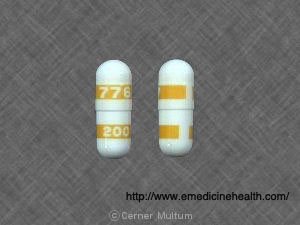
Celebrex is the brand name for the medication Celecoxib which relieves arthritic symptoms such as swelling of the joints, pain associated with menstrual cycles and colorectal polyps caused by adenomatous polyposis. Celebrex is marketed by the Pfizer Corporation.
How does Celebrex work?
Celebrex is a NSAID (nonsteroidal anti-inflammatory drug) in the COX-2 classification. This means the Celebrex is an inhibitor that stops the body from producing substances that cause pain and inflammation. The medication must be ingested as per pharmacist instructions, usually around the same time every day. For dosages exceeding 200 milligrams, Celebrex should be ingested with food.
How do I get Celebrex?
You must talk with your doctor to receive a prescription for Celebrex. As is the case with all prescription medication you must inform the doctor of all other medications and allegories you have. Failure to disclose this could lead to very harmful side effects. It is also the responsibility of the patient to know the dangerous associated with misuse of the drug and the possible dangers from combining prescriptions.
What are side effects of Celebrex?
There are many side effects associated with Celebrex, although most, such as tiredness and upset stomach are minor and uncommon. Individuals that experience a serious side effect should contact the FDA at 1-800-332-1068 to report it. The FDA will be able to determine if the serious side effect represents a danger in the drug being available to the general public.
Why is there scrutiny on Celebrex?
Celebrex advertising was pulled from the market for a time after concerns that the drug caused an elevated risk of heart attacks. This is similar to the controversy and ensuing litigation of a similar anti-inflammatory medication, Vioxx marketed by Merck pharmaceuticals that was briefly pulled from the market over reports that it had caused between 88,000 and 139,000 heart attacks. Vioxx has since not returned to the market, but has faced litigation from victim’s families, with some but not all litigation ended in punitive damages.
Celebrex faced similar accusations about misleading advertising and distortion over the potential harm caused by their drug, although Pfizer claims to be within guidelines for truthful advertising set by the FDA.
What should one affected by a serious side effect do?
There are several attorneys that specialize in Celebrex litigation. You will need to prove that Pfizer Inc was aware of the inherent dangers in the drug but allowed it to go to market with this issues unaddressed. The attorney will need to prove their advertisements failed to explain the serious nature of the side effects. Unlike Merck and Vioxx, Pfizer has never pulled the drug from the market, which would constitute an admission of the danger of the drugs.
Other parties that may be sued include misleading pharmaceutical sales representative that led the patient or doctor to believe in misleading claims about the drug. Lastly, the doctor may be sued if there is sufficient evidence that he or she did not properly prescribe the drug or failed to take adequate precautions. Failure to check on the condition of the patient may also be grounds for litigation.
Source: https://www.ncbi.nlm.nih.gov/pubmedhealth/PMH0001050/