Gabapentin Lawsuit
📅 2026 Update: Recent Developments in Product Liability and Drug Lawsuits
Since the original article was published, there have been significant changes in product liability cases related to drugs, including new lawsuits and settlements. These updates include information about ongoing cases that may affect those who have suffered injuries from medications like Ozempic and Depo-Provera. The earlier article continues further down the page.
🚨 Ozempic Lawsuits Consolidation
As of June 2026, there are 3,763 lawsuits related to Ozempic and similar drugs. These cases focus on claims of severe gastrointestinal injuries and vision loss. They have been consolidated into a single federal court case in Pennsylvania, making it easier to manage and resolve these claims.
💰 Gardasil Lawsuit Settlement
In June 2026, Merck reached a settlement exceeding $50 million to resolve over 200 cases related to Gardasil. This settlement includes cases that were previously dismissed in North Carolina and a long-standing case in Los Angeles, showing the ongoing legal challenges linked to this vaccine.
🧠 Depo-Provera Lawsuit Growth
The multidistrict litigation concerning Depo-Provera has grown to over 5,500 cases by June 2026. Plaintiffs argue that the contraceptive may be linked to brain tumors, leading to significant legal proceedings and expenses for the parties involved.
⚖️ Strive Pharmacy Antitrust Lawsuit
On January 14, 2026, Strive Specialties Inc. filed a federal antitrust complaint against Eli Lilly and Novo Nordisk. The complaint alleges that these companies worked together to suppress competition in the GLP-1 weight-loss drug market, impacting availability and pricing.
📌 Key Points Summary
- 🚨 Ozempic lawsuits consolidated with 3,763 cases in federal court.
- 💰 Gardasil settlement of over $50 million reached in June 2026.
- 🧠 Depo-Provera litigation has grown to over 5,500 cases.
- ⚖️ Antitrust lawsuit filed against Eli Lilly and Novo Nordisk by Strive Pharmacy.
💡 Tips for Understanding Product Liability Cases
Reviewing your specific situation with an attorney is essential to understand your options.
📄 Understand Eligibility Rules
Eligibility for lawsuits like those against Ozempic and Depo-Provera depends on specific injuries related to the drugs. Individuals may qualify if they have developed severe gastrointestinal issues or brain tumors after using these medications.
⏳ Be Aware of Filing Deadlines
For the Depo-Provera lawsuit, the first case was filed on October 1, 2024. Subsequent filings must adhere to applicable statutes of limitations, so it’s crucial to act promptly if you believe you have a claim.
🏢 Look for Consolidated Cases
Joining a consolidated case, like the Ozempic multidistrict litigation, can simplify the legal process. Individual lawsuits are combined to streamline proceedings and make it easier for multiple claimants to present their cases together.
📞 Seek Free Legal Assistance
Nonprofit organizations may offer free legal help for those pursuing claims related to drug injuries. Seeking out these resources can provide valuable support without the burden of legal fees.
🔍 Research Ongoing Litigation
Staying informed about ongoing litigation and settlements can help you understand the landscape of product liability cases. This knowledge may guide your decisions regarding potential claims.
🏆 Free Options Ranked by User Reviews (2026)
No national paid service in this area met the review threshold. Instead, this section lists free government and nonprofit resources that can help those involved in product liability cases.
🥇 1. FDA's Role in Drug Safety
The FDA provides crucial information about drug safety and adverse events. This resource helps individuals understand potential risks associated with medications and guides them in making informed decisions regarding their health.
🥈 2. Legal Aid Organizations
Various nonprofit organizations offer free legal assistance to individuals pursuing product liability claims. These groups can help navigate the complexities of the legal system and provide support to those affected by pharmaceutical injuries.
🥉 3. State Health Departments
State health departments often have information about drug recalls and safety notifications. They can assist individuals in understanding whether a medication they have used may pose a risk to their health.
4️⃣ Patient Advocacy Groups
Patient advocacy groups can provide information and support to individuals affected by specific drugs. These organizations often have resources for navigating legal claims and understanding the implications of drug-related injuries.
🔎 Important Considerations for Seeking Help
- 🏢 Check credentials of any organization offering assistance.
- 📄 Understand their services and what they can provide.
- 📞 Verify reviews and testimonials from past clients.
- 💰 Inquire about fees, ensuring there are no hidden costs.
❓ Frequently Asked Questions
❔ What types of injuries are linked to Ozempic?
Injuries linked to Ozempic primarily include severe gastrointestinal issues and vision loss. Individuals experiencing these symptoms after taking Ozempic may consider pursuing legal action.
⚠️ How do I know if I qualify for a lawsuit against Depo-Provera?
To qualify for a lawsuit against Depo-Provera, you must be diagnosed with a brain tumor after using the contraceptive. Legal eligibility depends on the specific circumstances of each case.
📅 When can I expect trials for the Ozempic lawsuits to begin?
As of June 2026, no trials have taken place in the Ozempic multidistrict litigation. Bellwether trials are expected to start in late 2026 or early 2027, setting a precedent for future cases.
🔍 How can I find more information about my rights?
The FDA and legal aid organizations provide valuable information about rights related to pharmaceutical injuries. These resources can help individuals understand their options and next steps.
📞 Is there a cost for legal assistance from nonprofit organizations?
Most nonprofit organizations offer free legal assistance for those pursuing product liability claims. However, it's important to verify their services and ensure there are no hidden fees.
📰 Where can I find updates on ongoing lawsuits?
Updates on ongoing lawsuits can be found through news alerts and legal resources. Staying informed about recent developments can help you understand the current landscape of product liability cases.
⚖️ Recent Court Cases Related to Product Liability
Recent court rulings highlight ongoing concerns in product liability law, particularly in drug-related cases. These rulings are crucial for understanding how courts are addressing claims related to medications like Ozempic and Depo-Provera.
- Court rules on liability in personal injury case involving deliAppellate Division of the Supreme Court of the State of New York · August 12, 2026
- Oklahoma court rules against cyclist in injury lawsuitCourt of Civil Appeals of Oklahoma · July 6, 2026
- Florida court reverses ruling on punitive damages in lawsuitDistrict Court of Appeal of Florida · August 14, 2026
- Court rules drug-monitoring patches unconstitutional in DUI casesCourt of Appeals of Washington · August 17, 2026
For more recent rulings, you can browse more rulings on the news page.
End of October 2026 Update
A Brief Guide to Filing a Gabapentin Lawsuit
What is Gabapentin?
Gabapentin, which goes by the brand names Gabarone, Fanatrex and Horizant, comes in tablet, liquid and capsule form to help control certain types of seizures in people suffering from epilepsy. Gabapentin belongs to a class of medications called anticonvulsants; the drug is effective by decreasing abnormal excitement in the brain.
In addition to treating certain types of seizures, Gabapentin is used to relieve the pain of PHN (postherpetic neuralgia; the stabbing or burning pain that occurs after shingles). It is effective in this form by altering the way the body senses pain. Although effective, Gabapentin comes with an assortment of side effects. For more information on Gabapentin side effects, please read below:
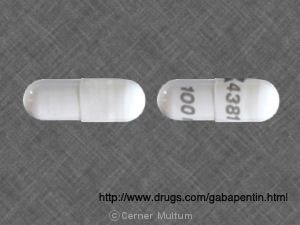
Gabapentin Side Effects:
Gabapentin side effects may occur even if you adhere to your doctor’s prescription instructions. If the following Gabapentin side effects are severe or persistent, please contact your doctor:
Common Gabapentin Side Effects Include: drowsiness; weakness; dizziness; uncontrollable shaking of the body; blurred or double vision; strange or unusual thoughts; memory problems; unwanted eye movements; vomiting; nausea; heartburn; dry mouth; constipation; increased appetite; weight gain; swelling of the hands, ankles or lower legs; joint pain; runny nose; ear pain; itchy eyes.
Other Gabapentin side effects are classified as serious. If you experience the following Gabapentin side effects you must seek immediate medical attention:
Serious Gabapentin Side Effects include: rash; hoarseness; difficulty breathing or swallowing; seizures and swelling of the throat, tongue, eyes or lips.
Other Gabapentin side effects may occur. Please contact your doctor if you experience unusal Gabapentin side effects.
Gabapentin and the FDA:
In 1994, Gabapentin was approved by the FDA to treat seizures. Gabapentine dosages are combined with other anticonvulsant medications to prevent seizures and associated symptoms.
Sold by Pfizer under the name Neurontin, the severity of Gabapentine side effects became a matter of increasing public concern in 1996. The first prominent Gabapentin lawsuit was filed by Dr. David Franklin a Pfizer employee. This Gabapentine lawsuit alleged that the company was defrauding the government.
The basis for this Gabapentine lawsuit revolved around the over prescription of the drug; Franklin's testimony stated that the drug’s label deliberately pursuit increased sales without a concern for abuse.
Doctors, according to the Gabapentine lawsuit, were urged to prescribe the medication for off-label purposes. In addition to this practice, some doctors—according to the Gabapentine lawsuit-- received illegal payments in return for prescribing a Gabapentine dosage. Since the cost of this medication was often paid for by Medicaid, Franklin charged that federal funds had been fraudulently used.
It is not illegal for a doctor to prescribe a Gabapentine dosage for a purpose other than controlling epilepsy or neuralgia; however, companies cannot advertise usage of the drug for non-FDA approved purposes. Ultimately, Franklin's Gabapentin lawsuit resulted in Pfizer agreeing to pay $430 million to the Department of Justice--this remains one of the twenty largest pharmaceutical company settlements in history.
In the wake of this Gabapentine lawsuit, many Gabapentine lawsuits concerning side effects were launched. Often, the foundation of these Gabapentine lawsuits was the claim that prescription information failed to sufficiently warn of the risk of suicidal thoughts. More than 1,200 cases concerning Gabapentine side effects were filed in the wake of the 2004 Gabapentine lawsuit. However, no Gabapentin lawsuit concerning a suicide resulted in a settlement until 2010.
Rather than focusing on Gabapentine side effects, the Gabapentine lawsuit in 2010 concerned racketeering law. The insurance company Kaiser sued Pfizer over its aggressive promotion of Gabapentine dosage as a multi-use off-label drug--this Gabapentin lawsuit resulted in a $141 million settlement.
Individual Gabapentine lawsuits concerning the drug’s side effects may still be filed—often these Gabapentine lawsuits are filed by the loved ones of suicide victims. These Gabapentine lawsuits seek compensation from the manufacturer, claiming that the drug-maker failed to warn of suicidal thoughts when using the drug. Gabapentine lawsuits of this nature seek remuneration for pain and suffering.
The success of winning Gabapentine lawsuits; however, is somewhat ambiguous. While Gabapentine lawsuits concerning fraud have been successful, class action litigation regarding Gabapentine side effects has been met with only limited success.
Sources:
1. United States National Library of Medicine “Gabapentin” retrieved from:
https://www.ncbi.nlm.nih.gov/pubmedhealth/PMH0000940/
2. https://www.fda.gov/Safety/MedWatch/SafetyInformation/
Safety-RelatedDrugLabelingChanges/ucm154552.html
3. https://www.fda.gov/Safety/MedWatch/SafetyInformation/
SafetyAlertsforHumanMedicalProducts/ucm151865.html