Gabitril Lawsuit
📅 2026 Update: Changes in Product Liability Cases Involving Gabitril
Since the original article was written, there have been important updates in product liability cases relevant to drugs similar to Gabitril. New lawsuits have emerged, and settlements have been reached that impact how consumers view these medications. The earlier article continues further down the page, providing foundational knowledge on Gabitril and its legal implications.
📈 Recent Lawsuits and Settlements
As of June 2026, there have been significant developments in lawsuits involving pharmaceutical products. For instance, Merck settled over 200 Gardasil-related cases for more than $50 million. This settlement indicates a growing recognition of product liability in the pharmaceutical industry.
- 💰 Ozempic Lawsuits: There are now 3,763 lawsuits consolidated in federal court in Pennsylvania, alleging severe injuries from Ozempic and related drugs. This reflects a rising trend of individuals seeking justice for alleged negligence.
⚖️ Multidistrict Litigation Growth
The Depo-Provera multidistrict litigation has grown to over 5,500 cases by June 2026. Plaintiffs allege a connection between the contraceptive and brain tumors. This increase suggests that more individuals are coming forward with claims against manufacturers.
- 🧠 Eligibility Criteria: Individuals diagnosed with brain tumors after using Depo-Provera may be eligible to file a lawsuit. This broadens the scope of potential claimants.
🔍 Ongoing Legal Processes
As of June 2026, no trials had yet taken place in the Ozempic MDL. Bellwether trials are expected to begin in late 2026 or early 2027. This slow progression can affect how quickly claimants see resolution.
- ⏳ Processing Times: The significant number of cases in the Depo-Provera MDL indicates ongoing processing of claims, which may delay individual resolutions.
📅 Filing Deadlines and Considerations
The first Depo-Provera lawsuit was filed on October 1, 2024. Subsequent filings are subject to the applicable statutes of limitations, meaning potential claimants need to be aware of deadlines.
📌 Key Points Summary
- 💵 Merck settled Gardasil-related cases for over $50 million.
- ⚖️ Ozempic lawsuits now total 3,763 in federal court.
- 🧠 Depo-Provera litigation has grown to over 5,500 cases.
- ⏳ No Ozempic trials have occurred yet, with bellwether trials pending.
- 📅 Filing deadlines for Depo-Provera lawsuits must be noted.
💡 Tips for Navigating Product Liability Claims
Review your specific situation with your attorney to understand your options and eligibility for claims.
📝 Understand Eligibility
Know that individuals with severe gastrointestinal injuries or vision loss after taking Ozempic may be able to file lawsuits. Similarly, those diagnosed with brain tumors after using Depo-Provera could also qualify for legal action.
🕒 Keep Track of Deadlines
Filing deadlines are critical. The first Depo-Provera lawsuit was filed on October 1, 2024, and subsequent claims must adhere to local statutes of limitations. This is vital for ensuring your claim is considered.
🔍 Research Ongoing Cases
Stay updated on the progress of ongoing litigations. As of June 2026, the Ozempic MDL has no trials yet, which means developments can change quickly.
💬 Leverage Nonprofit Resources
Seek out nonprofit organizations or government resources that may provide free legal assistance or information regarding pharmaceutical injuries. They can guide you through the process without incurring high legal fees.
📜 Document Everything
Keep thorough records of any medical treatments, side effects, and communications with healthcare providers. This documentation can support your claim and provide evidence of your injuries.
🧑⚖️ Stay Informed
Monitor any changes in product liability laws as they may affect your case. Changes in lawsuits or settlements can reveal new precedents that may support your legal standing.
🏆 Free Options Ranked by User Reviews (2026)
No national paid service in this area met the review threshold, so this section lists free government and nonprofit resources available for those dealing with product liability claims related to pharmaceuticals.
🥇 1. FDA
The FDA provides information on drug safety and adverse events. They assist individuals in understanding the risks associated with medications and how to report injuries. Their resources can guide users in tracking drug-related issues.
🥈 2. Legal Aid Organizations
Various nonprofit legal aid organizations offer free legal assistance for individuals pursuing product liability claims. These organizations help underrepresented individuals navigate the legal system and access justice without the burden of high legal fees.
🥉 3. State Consumer Protection Offices
State consumer protection offices provide guidance and support for individuals facing issues with defective products. They can help consumers file complaints and understand their rights regarding pharmaceutical injuries.
4️⃣ Public Health Departments
Public health departments often have resources related to the safety of medications. They can provide valuable information on reporting adverse drug reactions and understanding health risks associated with specific pharmaceuticals.
5️⃣ Medical Advocacy Groups
Medical advocacy groups focus on specific health issues and can offer resources for patients. They educate individuals about potential risks and provide support for navigating claims related to pharmaceutical injuries.
🔎 What to Check Before Paying for Help
- 📜 Verify any claims of success rates.
- 🌐 Research the organization's background and reputation.
- 🧑⚖️ Ensure they provide clear information on fees.
- 📖 Check for user reviews or testimonials.
- 🔍 Confirm they have expertise in product liability cases.
❓ Frequently Asked Questions
❓ What types of injuries are linked to Ozempic?
Ozempic has been linked to severe gastrointestinal injuries and vision loss. Individuals experiencing these issues may be eligible to file a lawsuit.
❓ How many lawsuits are currently active against Depo-Provera?
As of June 2026, there are over 5,500 active lawsuits in the Depo-Provera multidistrict litigation, indicating significant ongoing legal activity.
❓ What should I do if I think I have a product liability claim?
You should collect all relevant medical documentation and consult with an attorney to explore your options based on your specific circumstances.
❓ Are there any deadlines for filing lawsuits related to these drugs?
Yes, filing deadlines vary by state and product. It's essential to be aware of local statutes of limitations to ensure your claim is filed in time.
❓ How can the FDA assist individuals with drug-related injuries?
The FDA offers resources on drug safety and reporting adverse events, helping individuals understand their rights and the risks associated with medications.
❓ What role do nonprofit organizations play in product liability cases?
Nonprofit organizations may offer free legal assistance and guidance on navigating claims related to pharmaceutical injuries, especially for underserved communities.
⚖️ Recent Cases Related to Product Liability
Recent court rulings highlight the ongoing challenges and developments in product liability cases involving pharmaceuticals, including those similar to Gabitril.
- Court rules on employer's liability in scooter accident caseAppellate Division of the Supreme Court of the State of New York · July 1, 2026
- Court rules on liability in Whelan v. Buffalo Housing AuthorityAppellate Division of the Supreme Court of the State of New York · July 24, 2026
- Court rules against Towne Ford in vicarious liability caseAppellate Division of the Supreme Court of the State of New York · July 24, 2026
- Court reinstates product liability claims in forklift accident caseAppellate Division of the Supreme Court of the State of New York · July 24, 2026
Explore more recent rulings for deeper insights into current legal trends and implications by visiting the more rulings on the news page.
End of October 2026 Update
What is Gabitril?
As the brand name of Tiagabine, Gabitril—when combined with other medications--is used to treat partial seizures. Gabitril belongs to a class of medications called anticonvulsants. It is not completely understood how Gabitril works; however, it has shown to increase the amount of natural chemicals in the brain that prevent seizures from forming.
Gabitril Side Effects:
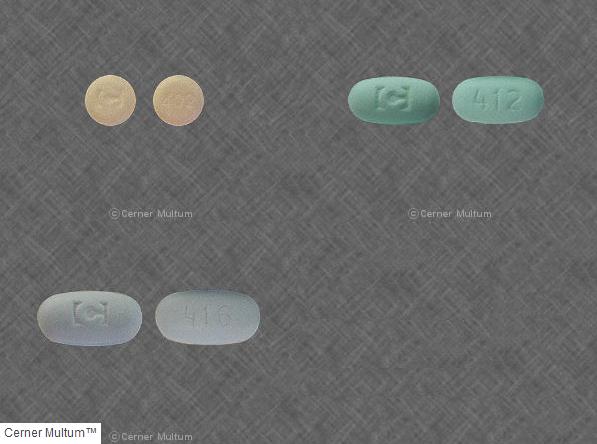
Gabitril side effects can form regardless of your prescription details or adherence to intake instructions. Please inform your doctor if any of these Gabitril side effects are persistent or severe:
· Common Gabitril side effects Include: lack of energy; drowsiness; dizziness; depression; irritability; language or speech problems; abnormal thinking; confusion; itching; bruising; stomach pain; nervousness; painful or frequent urination; difficulty falling or staying asleep; increased appetite.
Other Gabitril side effects may be more serious. The following Gabitril side effects, although rare, require immediate medical attention:
· Serious Gabitril side effects include: shaking hands you cannot control; seizures; numbness, burning or tingling sensation in hands or feet; changes in vision; flu-like symptoms; sores on the inside of the mouth, nose, eyes or throat.
If you experience any of the above Gabitril side effects, you or your doctor may file a report with the United States Food and Drug Administration’s MedWatch Adverse Event Reporting program online at http:www.fda.gov/Safety/MedWatch or by phone at 1-800-332-1088
Gabitril FDA Regulations:
The United States Food and Drug Administration instituted a Gabitril FDA regulation in February of 2005; this Gabitril FDA regulation notified the public and healthcare professionals that a bold Warning was added to the labeling for Gabitril to caution prescribers of the risk of seizures in patients being treated with the drug. This Gabitril FDA regulation was instituted following the study of several reports of the occurrence of seizures in patients prescribed Gabitril for the treatment of conditions other than epilepsy. The bulk of these patients were prescribed Gabitril to offset or mitigate the problems associated with various psychiatric illnesses. Such off-label prescribing of medication is unfortunately common among doctors. However, because of the risk of seizures sponsors of the drug agreed to undertake educational campaigns to discourage off-label use.
Other than this Gabitril FDA regulation (FDA instituted a Gabitril FDA regulation to warn physicians that off-label use of the drug greatly increases the risk of seizures and other Gabitril side effects), the FDA has been relatively quiet concerning regulating Gabitril.
Gabitril Lawsuits:
The majority of Gabitril lawsuits, in the United States, have been filed by patients against the drug’s manufacturer and the individual’s doctor for prescribing Gabitril for off-label uses. As the Gabitril FDA regulation claims above, the drug should not be prescribed to patients who do not suffer from epilepsy. If a physician decides to prescribe Gabitril for other uses, the practitioner is required to explain the increased risk of seizure to the patient.
Gabitril lawsuits are somewhat rare; there are no prominent Gabitril lawsuits filed on behalf of users who claim that the drug caused severe Gabitril side effects. Moreover, no class-action Gabitril lawsuit currently exists. With that said, if you sustain an injury or develop a medical condition as a result of Gabitril-use, you have the right to file a Gabitril lawsuit. Although Gabitril lawsuits are unlikely to be filed at this time (the patent is currently expired and your state’s statute of limitations may be exhausted) the ability to talk to a lawyer is always achievable.
If you are interested in filing a Gabitril lawsuit please contact a personal injury, medical negligence or pharmaceutical lawyer in your area. The majority of these legal professionals will offer free consultations to gauge the worthiness of your prospective Gabitril lawsuit. To secure a Gabitril settlement (compensation to offset the costs associated with the injury) you must definitively prove that the drug’s manufacturer did not adequately warn consumers of the drug’s side effects, attempted to hide their off-label marketing plan or that your doctor negligently administered an incorrect dosage. After proving this, your Gabitril lawsuit must establish the link between Gabitril use and your injury. If you fail to definitively prove these aspects the odds of securing Gabitril settlements will greatly diminish.
Sources:
1. United States National Library of Medicine “Tiagabine” retrieved from: https://www.ncbi.nlm.nih.gov/pubmedhealth/PMH0001027/
2. https://www.fda.gov/Safety/MedWatch/SafetyInformation/SafetyAlertsforHumanMedicalProducts/ucm151502.htm
3. https://www.fda.gov/Drugs/DrugSafety/PostmarketDrugSafetyInformationforPatientsandProviders/ucm126114.htm