Geodon Lawsuit
📅 2026 Update: Recent Developments in Product Liability Lawsuits
Since the original article on Geodon lawsuits was published, several significant developments have occurred in product liability law, particularly concerning lawsuits related to pharmaceuticals. New cases have emerged, and existing litigation has seen notable changes. The details of the earlier article continue further down the page.
📈 Ozempic Lawsuits Consolidation
As of June 2026, a total of 3,763 lawsuits have been consolidated in federal court in Pennsylvania. These lawsuits claim that Ozempic and similar GLP-1 receptor agonist medications cause severe gastrointestinal injuries and vision loss. This consolidation reflects the growing concern over the potential risks associated with these drugs.
- 🔍 Individual Lawsuits: Patients with injuries from Ozempic are filing individual lawsuits as part of this multidistrict litigation (MDL).
⚖️ Gardasil Lawsuit Settlement
In June 2026, Merck reached a settlement of over $50 million to resolve more than 200 Gardasil-related cases. This settlement includes cases that were previously dismissed in North Carolina and a long-running state court case in Los Angeles.
- 💵 Financial Impact: The settlement reflects the serious nature of the claims made against Gardasil, a vaccine linked to various health issues.
📊 Depo-Provera Lawsuit Growth
The multidistrict litigation for Depo-Provera has expanded significantly, with over 5,500 cases filed by June 2026. These lawsuits allege a connection between the contraceptive and brain tumors, indicating a growing concern among users.
- 🚨 Legal Activity: The increasing number of cases shows that many individuals believe they have been harmed by this contraceptive.
🔍 Strive Pharmacy Antitrust Lawsuit
On January 14, 2026, Strive Specialties Inc. filed a federal antitrust complaint against Eli Lilly and Novo Nordisk. The complaint accuses these companies of suppressing competition in the GLP-1 weight-loss drug market.
- ⚔️ Market Competition: This lawsuit highlights ongoing issues related to competition and pricing in the pharmaceutical industry.
📌 Key Points Summary
- 📈 Ozempic lawsuits consolidated with 3,763 claims.
- ⚖️ Gardasil settlement of over $50 million for 200 cases.
- 📊 Depo-Provera litigation has over 5,500 cases filed.
- 🔍 Strive Pharmacy lawsuit challenges market competition practices.
- 🏥 Legal actions reflect ongoing concerns in pharmaceutical safety.
💡 Tips for Navigating Product Liability Claims
Reviewing your situation with an attorney is essential to understanding your legal options.
🛑 Understand Eligibility for Ozempic Claims
Individuals who developed severe gastrointestinal injuries or vision loss after using Ozempic may be eligible to file a lawsuit. Keeping medical records and documentation of symptoms will be vital for these claims.
📅 Know the Filing Deadlines
The first Depo-Provera lawsuit was filed on October 1, 2024. Subsequent claims must be filed within the applicable statutes of limitations to be considered.
🏥 Seek Medical Documentation
Gathering medical documentation is crucial for claims related to Depo-Provera and Ozempic. This includes treatment records, diagnoses, and any related health issues to support your case.
🏦 Explore Free Legal Resources
Nonprofit organizations may offer free legal assistance for individuals pursuing product liability claims. Exploring these options can provide guidance without incurring costs.
🔍 Stay Informed on Ongoing Litigation
Monitoring the progress of lawsuits, such as those involving Ozempic and Depo-Provera, can provide insights into the legal landscape. This may help you understand the potential outcomes of your claims.
📞 Contact Regulatory Agencies
The FDA offers information on drug safety and adverse events. Individuals seeking information about pharmaceuticals may find helpful resources through these agencies.
🏆 Free Options Ranked by User Reviews (2026)
No national paid service in this area met the review threshold, so this section lists free government and nonprofit resources available for assistance.
🥇 1. FDA
The FDA provides essential information on drug safety and adverse events. They help individuals understand the risks associated with various medications, including those involved in recent lawsuits.
- 📚 Access to Information: The FDA's resources can guide individuals in understanding their rights and the safety of drugs they may have used.
🥈 2. Legal Aid Organizations
Various nonprofit organizations offer free legal assistance to individuals pursuing product liability claims. These organizations often focus on helping those who cannot afford legal representation.
- 🤝 Support for Individuals: They provide resources and support for understanding legal options and navigating the claims process.
🥉 3. State Health Departments
State health departments can provide information regarding adverse drug events and ongoing investigations related to pharmaceuticals. They often have resources for reporting issues.
- 🏥 Local Support: These offices may also connect individuals with local health resources and advocacy groups for additional support.
4️⃣ Consumer Protection Agencies
Consumer protection agencies offer resources and support for individuals affected by defective products. They help consumers understand their rights and how to file complaints.
- ⚖️ Enforcement of Rights: These agencies work to uphold consumer rights and ensure safety regulations are followed by manufacturers.
5️⃣ Advocacy Groups
Various advocacy groups focus on specific health issues related to pharmaceuticals. They often provide resources, support networks, and information on ongoing legal actions.
- 💬 Community Support: These groups can connect individuals with others who have similar experiences, fostering a sense of community and shared knowledge.
🔎 Things to Check Before Paying for Help
- 🔍 Ensure the service is legitimate and has good reviews.
- ✅ Check if they offer free consultations.
- 🕵️♀️ Look for transparency in fees and services.
- 📞 Confirm their expertise in product liability law.
- 📜 Review any written agreements carefully.
❓ Frequently Asked Questions
❔ What should I do if I have been injured by Ozempic?
If you have experienced severe gastrointestinal injuries or vision loss after taking Ozempic, you may be eligible to file a lawsuit. Document your medical issues and consult with legal resources for guidance.
🏥 How are settlements determined in product liability cases?
Settlements in product liability cases vary based on the severity of injuries, medical costs, and other damages. Each case is evaluated on its specific circumstances and evidence.
📅 Is there a deadline to file a Depo-Provera lawsuit?
Yes, the first Depo-Provera lawsuit was filed on October 1, 2024. Subsequent filings must adhere to applicable statutes of limitations, which vary by state.
🔍 How can I find a legal aid organization?
Legal aid organizations can often be found through state or local bar associations. These organizations typically have resources to connect individuals with pro bono legal assistance.
📉 What are bellwether trials?
Bellwether trials are test cases within a larger group of lawsuits. They help determine how similar cases may be settled and can influence future litigation outcomes.
💡 How does the FDA ensure drug safety?
The FDA monitors drug safety through rigorous testing and post-market surveillance. They provide information on adverse events and work to protect public health by regulating pharmaceuticals.
⚖️ Recent Cases Related to Product Liability
Recent court rulings highlight ongoing challenges in product liability law, particularly concerning pharmaceuticals. These legal actions reflect the complexities and concerns surrounding drug safety and consumer rights.
- Court dismisses lawsuit against Asphalt Green after injury claimAppellate Division of the Supreme Court of the State of New York · August 27, 2026
- Texas Court affirms dismissal of Stringfellow's lawsuitTexas Court of Appeals, 9th District (Beaumont) · August 27, 2026
- Ohio Court affirms ruling on awning liability caseOhio Court of Appeals · August 28, 2026
- Court reverses conviction in North Carolina drug caseCourt of Appeals of North Carolina · September 2, 2026
For more recent rulings, browse more rulings on the news page.
End of October 2026 Update
What is Geodon?
Geodon—the brand name for Ziprasidone—is used to treat symptoms of schizophrenia (a mental condition that causes unusual or disturbed thinking, strong or inappropriate emotions and a general loss of interest in life). Geodon may also be applied to treat manic episodes in patients with bipolar disorder. Geodon belongs to a class of medications called atypical antipsychotics; it is effective by changing activity of certain substances in the brain.
Geodon Side Effects:
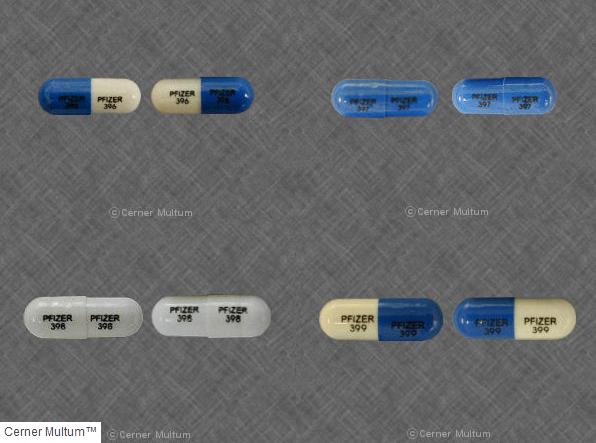
Geodon side effects may present themselves regardless of your dosage strengths, frequency or adherence to intake instructions. Please inform your doctor if any of these Geodon side effects are severe or persistent:
· Common Geodon Side Effects Include: headache; drowsiness; restlessness; anxiety; constipation; loss of appetite; muscle pain; sneezing; runny nose; cough; weight gain; diarrhea
Some Geodon side effects are more severe. If you experience the following Geodon side effects or those listed under the IMPORTANT WARNING section of the packaging, please seek immediate medical help.
· Serious Geodon Side Effects Include: rash or hives; confusion; fever; irregular, fast or pounding heartbeat; unusual movements of the face or body; muscle stiffness; painful erection that lasts for hours; sweating.
These are not all the possible Geodon side effects. Please contact your doctor if you encounter any unusual problems while using Geodon. If you experience life-altering Geodon side effects, you or your doctor may file a report to the United States Food and Drug Administration’s MedWatch Adverse Reporting program online at https://www.fda.gov/Safety/MedWatch or via the phone at 1-800-332-1088.
Geodon FDA Regulations:
A prominent Geodon FDA regulation was instituted in April of 2005 that informed healthcare professionals of increased mortality in patients with dementia-related psychosis. This Geodon FDA regulation was implemented because the agency determined that patients with dementia-related psychosis treated with atypical antipsychotic medications face an increased risk of death when compared to placebos.
The Geodon FDA regulation reflects the agency’s current analysis of available Geodon information. The Geodon FDA regulation derived from analysis of seventeen placebo controlled trials that studied over 5,100 elderly patients with dementia related disorders. Ultimately the study revealed a risk of death in drug-treated patients of between 1.6 to 1.7 times when compared to placebo-treated individuals.
The other Geodon FDA regulation instituted against the drug’s manufacturer came in August of 2009, when the agency warned of the dangers associated with the 10 MG liquid-version of Geodon. In this Geodon FDA regulation, the agency warns against Leukopenia, Neutropenia and Agranulocytosis; reports of these conditions were observed following numerous clinical trials with the 10 mg liquid version of Geodon. Risk factors for these medical conditions include pre-existing low white blood cell counts and a history of drug-induced neutropenia/leukopenia. Patients with these risk factors, according to this Geodon FDA regulation, must have their blood count monitored during the first few months of treatment. If a significant decline in the patient’s WBC is noted, he/she must discontinue treatment with Geodon.
Geodon Lawsuits:
The majority of prominent Geodon lawsuits are filed against the drug’s manufacturer, Pfizer, for illicit marketing practices. In September of 2009, Parker Waichman Alonso LLP represented a whistleblower in a Geodon lawsuit that sought a $2.3 billion Geodon settlement. In this Geodon lawsuit, the whistleblower alleged that Pfizer illegally promoted off-label use of Geodon.
This Geodon lawsuit was one of nine settled by the United States Department of Justice that involved the illegal marketing of Geodon. The civil Geodon settlement resolves allegations that Pfizer paid substantial kickbacks to health care providers for prescribing Geodon in an off-label manner. Under the terms of the Geodon settlement, a subsidiary of Pfizer also agreed to plead guilty to a felony charge that it promoted the off-label user of Bextra. These charges ultimately resulted in the delivery of a $1.3 billion Geodon settlement.
In addition to these Geodon lawsuits, legal action can be taken against Pfizer if the drug accused substantial damage or injury to you or a loved one. These Geodon lawsuits are filed by former users of the drug who sustained damage as a result of its dangerous side effects. Although these types of Geodon lawsuits are rare, they can be successfully filed if the patient was not adequately warned of the side effect he or she suffers from. Moreover, a Geodon settlement can be secured if the patient can definitively prove that Geodon-use directly caused the injury or condition. If filed successfully, these Geodon lawsuits will result in a Geodon settlement, which are financial packages procured by the plaintiff to offset the costs associated with the injury or condition.
Sources:
1. United States National Library of Medicine “Ziprasidone” retrieved from: https://www.ncbi.nlm.nih.gov/pubmedhealth/PMH0001070/
2. https://www.accessdata.fda.gov/scripts/cder/drugsatfda/index.cfm?fuseaction=Search.SearchAction&SearchTerm=ziprasidone&SearchType=BasicSearch
3. https://www.fda.gov/Safety/MedWatch/SafetyInformation/ucm181987.htm