Levothroid Lawsuit
📅 2026 Update: Recent Developments in Levothroid Lawsuits
Since the original article on Levothroid lawsuits was published, there have been noteworthy changes in product liability cases involving pharmaceutical drugs. This update highlights key developments that may impact individuals considering legal action. The earlier article continues further down the page.
🩺 Recent Lawsuit Consolidations
In June 2026, a significant number of lawsuits involving Ozempic and related GLP-1 receptor agonist drugs were consolidated in federal court in Pennsylvania. There are now 3,763 lawsuits alleging severe gastrointestinal injuries and vision loss linked to these medications. This consolidation reflects the growing concerns and legal actions surrounding pharmaceutical products.
💰 Gardasil Settlement
Also in June 2026, Merck settled over 200 Gardasil-related cases for more than $50 million. This settlement includes cases that were previously dismissed in North Carolina and a long-running case in Los Angeles. This highlights ongoing legal challenges faced by pharmaceutical companies regarding vaccine safety.
🧠 Depo-Provera Lawsuit Growth
The number of lawsuits related to Depo-Provera has surged to over 5,500 cases by June 2026. These lawsuits allege a connection between the contraceptive and brain tumors. This significant growth indicates a rising trend in claims against contraceptive drugs, suggesting more individuals are pursuing legal options.
⚖️ Strive Pharmacy Antitrust Case
On January 14, 2026, Strive Specialties Inc. filed a federal antitrust complaint against Eli Lilly and Novo Nordisk. The complaint alleges that these companies worked together to suppress competition in the market for GLP-1 weight-loss drugs. This case could have implications for the availability and pricing of medications related to weight management.
📌 Key Updates Summary
- 🩺 Ozempic lawsuits consolidated with 3,763 cases in federal court.
- 💰 Merck settled over 200 Gardasil cases for $50 million.
- 🧠 Depo-Provera lawsuits increased to 5,500 cases.
- ⚖️ Strive filed an antitrust lawsuit against major drug companies.
- 🏥 Ongoing legal actions reflect growing concerns about drug safety and corporate practices.
💡 Tips for Navigating Levothroid Lawsuits
Review your situation thoroughly with your attorney. Understanding your specific circumstances is crucial for navigating legal options.
⚠️ Know Your Eligibility
If you have experienced side effects from Levothroid or similar medications, check if you qualify for a lawsuit. Individuals diagnosed with serious health issues after using the drug may have grounds to file.
📅 Be Aware of Filing Deadlines
Stay informed about filing deadlines for lawsuits. For example, the first Depo-Provera lawsuit was filed on October 1, 2024, and subsequent cases must comply with statutes of limitations. Timely action is essential.
🔍 Gather Medical Records
Collect relevant medical records that show your health conditions linked to medication use. These documents can be vital in supporting your claims and improving your case.
💬 Document Your Experiences
Keep a detailed record of your symptoms and any medical treatments related to the drug. This documentation can provide crucial evidence in your lawsuit.
🤝 Explore Free Resources
Look into free government and nonprofit resources for assistance. Organizations may provide information on legal rights and options for individuals impacted by pharmaceutical products.
📞 Seek Support from Legal Aid
Consider reaching out to legal aid organizations that may offer free help for those pursuing product liability claims. These resources can guide you through the process.
🏆 Free Options Ranked by User Reviews (2026)
No national paid services qualified for this section, so here are free government and nonprofit resources that can assist individuals dealing with product liability issues.
🥇 1. FDA
The FDA provides essential information on drug safety and adverse events. Individuals seeking guidance on pharmaceutical injuries can access valuable resources and updates related to drug risks.
🥈 2. Legal Aid Organizations
Various nonprofit legal aid organizations offer free assistance to individuals pursuing product liability claims. These groups help people navigate legal processes and understand their rights.
🥉 3. State Health Departments
State health departments can provide information on drug safety and potential risks. They often have resources related to medications and can guide individuals toward understanding health-related claims.
4️⃣ Consumer Product Safety Commission (CPSC)
The CPSC focuses on protecting consumers from hazardous products. They offer resources and information regarding safety standards, recalls, and product-related injuries.
5️⃣ National Institutes of Health (NIH)
The NIH conducts research and provides information on health-related topics, including drug safety. Individuals can access studies and reports that may support their claims regarding pharmaceutical products.
🔎 What to Check Before Paying for Help
- 📜 Understand the services offered.
- 🔍 Verify the credentials of the organization.
- 💵 Confirm if there are any hidden fees.
- 📞 Ask about the process and expected outcomes.
- 📅 Be aware of timelines associated with your case.
❓ Frequently Asked Questions
❓ What are the common side effects of Levothroid?
Common side effects may include weight changes, mood swings, and sleep issues. However, more severe reactions could occur, leading to legal claims.
💊 How do I know if I have a strong case?
Your case strength often depends on documented medical evidence and the severity of your symptoms after using Levothroid. Consult with a legal professional for assessment.
⏳ What is the typical timeline for lawsuits?
The timeline can vary widely based on the case complexity. Some lawsuits may take several months to years to resolve.
🧾 Can I file a lawsuit if my doctor prescribed Levothroid?
Yes, patients can file lawsuits against manufacturers if they believe the medication caused harm. It's important to gather evidence related to your case.
🔍 What should I do if I experience side effects?
If you experience any side effects from Levothroid, seek medical attention immediately. Document your symptoms and inform your healthcare provider about your medication.
📅 Are there any new lawsuits related to Levothroid?
Currently, specific information regarding new lawsuits solely about Levothroid isn't available. However, similar drug lawsuits are ongoing, indicating a landscape of increasing legal action.
⚖️ Recent Cases Related to Levothroid
Recent rulings in product liability cases illustrate the ongoing legal challenges surrounding medications like Levothroid. These cases often involve serious health claims and corporate responsibility.
- Ohio Court of Appeals rules on Edelen drug and sex offense caseOhio Court of Appeals · September 2, 2026
- Court upholds dismissal of medical malpractice lawsuitAppellate Division of the Supreme Court of the State of New York · September 2, 2026
- Texas Court reverses dismissal of Wally Yammine's lawsuitTexas Court of Appeals, 2nd District (Fort Worth) · August 27, 2026
- Louisiana court dismisses strict liability claims against XTOLouisiana Court of Appeal · September 30, 2026
For more recent rulings, browse more rulings on the news page.
End of October 2026 Update
A Brief Guide to Filling a Levothroid Lawsuit
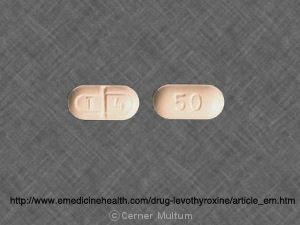
Levothroid is a thyroid hormone used to treat hypothyroidism—a medical condition where the thyroid gland does not produce enough thyroid hormone. Because of the lack of production, the body fails to function properly, resulting in: slow speech; fatigue; poor growth; hair loss; thick sin; weight gain and increased sensitivity to cold. When administered correctly, the drug reverses these symptoms.
Common Side Effects of Levothroid:
• Weight loss, nausea, vomiting, stomach cramps, irritability, excessive sweating, diarrhea, changes in the menstrual cycle and sensitivity to heat.
• Serious side effects of Levothroid include: chest pain and a rapid or irregular heart beat
Because of these Levothroid side effects, the United States Food and Drug Administration recalled certain batches of the drug. The recalled Levothroid doses include the following:
• Levothroid 100-mcg, 100-count and 5,000-count bottles. Recall # D-377-2. Lot 80017, Exp. 08/2002, 5,000 count, Lot 80019, Exp. 08/2002, 5,000 count, Lot 90014, Exp. 09/2002, 5,000 count, Lot 120028, Exp. 01/2003, 100 count.
Levothroid 125-mcg, 100-count bottles. Recall # D-378-2. (Lot 70035, Exp. 07/2002, 100-count, Lot 70038, Exp. 07/2002, 100-count, Lot 80033, Exp. 08/2002, 100-count, Lot 80034, Exp. 08/2002, 100 count
Levothroid Legal History:
The most prominent Levothroid lawsuit was filed by the Justice Department concerning the drug manufacturer’s (Forest Labs) deliberate manufacturing of Levotrhoid for unapproved uses. This Levothroid lawsuit resulted in a settlement that included criminal fine of $150 million and a forfeiture of $14 million in assets. Additionally, in this Levothroid lawsuit, the company was found guilty of fraudulent marketing.
This landmark Levothroid lawsuit was filed in response to Forest Pharmaceuticals illegal distribution of the drug for treatment of hypothyroidism in the early 1990’s. This maneuver was made without obtaining approval from the USFDA. However, the Levothroid lawsuit did not institute penalties for selling the product without approval—the drug, in 1997, was given a second chance when the FDA deemed it medically necessary. In 2001, the FDA declared that it would continue to permit sale of unapproved Levothroid drugs on certain conditions. One of these conditions—a fundamental aspect of the Levothroid lawsuit—was that manufacturers needed to comply with a distribution phase-down if they did not secure approval. According to the Levothroid lawsuit, Forest made a deliberate decision to maintain distribution efforts of its unapproved Levothroid drugs in quantities that far exceeded the amounts allowed by the phase-down plan.
The FDA, according to the Levothroid lawsuit, sent warning letters to Forest on August 7th of 2003, informing the company that was not entitled to distribute the unapproved drug. According to the government, the company directed its St. Louis distribution center to continue shipping as much of the unapproved Levothroid as possible.
In addition to these illegal practices, the Levothroid lawsuit also indicated the company’s inability to follow safety protocol in its Cincinnati plant in 2003. According to the Levothroid lawsuit, personnel at the plant were aware that equipment malfunctions severely violated FDA requirements for the production of Levothroid. During this time, according to Levothroid lawsuits, the company did not comply with FDA investigations.
In response to this Levothroid lawsuit, Forest Pharmaceuticals pleaded guilty to marketing drugsfor unapproved uses and obstructing justice. Both the civil and criminal Levothroid lawsuits were predicated upon the company’s decision to deliberately place a higher priority on increasing sales than complying with the requirements instituted by Congress and the FDA.
In addition to this Levothroid lawsuit, legal action may be undertaken by consumers, particularly people who take medium and high doses of the drug. Before beginning a course of treatment with this medication, a doctor should explain that prolonged use of this medication increases the risk of decreased bone density. Such Levothroid side effects may lead to more easily broken bones. In 2011, the British Medical Journey released a study demonstrating a correlation between intake of the drug and the risk of bone fracture. The study surveyed 213,000 patients past the age of 70 who were treated between April 2002 and the end of March 2007. Approximately 10% were found to have Levothroid side effects in the form of bone fractures.
It may be difficult to pursue a Levothroid lawsuit regarding such occurrences. Similarly, users should be alert for any Levothroid side effects indicative of an overdose, such as nervousness, significant unexplained weight loss, dizziness and confusion. Acute overdoses require emergency medical treatment. Such reactions are unlikely to serve as the foundation of a strong Levothroid lawsuit, since their risk is clearly indicated in the manufacturer's prescription information.
Patients who wish to pursue litigation concerning Levothroid side effects in the form of bone fractures can argue the manufacturer does not provide sufficient warning of this risk. An attorney will need to evaluate the possibility of a successful Levothroid lawsuit concerning such an occurrence. To date, no significant litigation has resulted in a publicly reported settlement regarding such Levothroid side effects.
Sources:
1. United States National Library of Medicine Levothyroxine retrieved from:
https://www.ncbi.nlm.nih.gov/pubmedhealth/PMH0000684/
2.https://www.fda.gov/ICECI/CriminalInvestigations/ucm245543.html
3. https://www.fda.gov/downloads/Drugs/GuidanceComplianceRegulatoryInformation/EnforcementActivitiesbyFDA/
WarningLettersandNoticeofViolationLetterstoPharmaceuticalCompanies/UCM170777.pdf
4.https://www.fda.gov/downloads/Drugs/GuidanceComplianceRegulatoryInformation/EnforcementActivitiesbyFDA/
WarningLettersandNoticeofViolationLetterstoPharmaceuticalCompanies/UCM166324.pdf
5. https://www.fda.gov/NewsEvents/Newsroom/PressAnnouncements/ucm225890.html