Lexapro Lawsuit
📅 2026 Update: Recent Developments in Drug Lawsuits
Since the original article was published, there have been significant changes in the landscape of drug-related lawsuits that may affect those considering legal action. Notably, several high-profile cases have emerged, impacting individuals harmed by medications like Ozempic and Depo-Provera. The earlier article continues further down the page for more detailed information.
🏥 Ozempic Lawsuit Consolidation
As of June 2026, there are 3,763 lawsuits consolidated in federal court in Pennsylvania against Ozempic and other GLP-1 receptor agonist drugs. These lawsuits claim that the drugs cause severe gastrointestinal injuries and vision loss. Individuals who have experienced these side effects may be eligible to file claims as part of this multi-district litigation.
- ⚖️ Eligibility: Patients must prove that they suffered from serious health issues after using Ozempic.
🧪 Depo-Provera Lawsuit Growth
The litigation surrounding Depo-Provera has expanded significantly. By June 2026, the number of cases had grown to over 5,500. Plaintiffs allege that the contraceptive is linked to brain tumors.
This growth reflects increasing concerns and legal actions related to the drug's safety.
- 📅 Filing Timeline: The first lawsuit was filed on October 1, 2024, highlighting the ongoing legal process.
💰 Gardasil Lawsuit Settlement
In June 2026, Merck settled over 200 Gardasil-related cases for more than $50 million. This settlement includes cases that were previously dismissed, indicating a more proactive stance by the pharmaceutical company in addressing claims linked to its vaccine.
- 💼 Impact on Claimants: Individuals impacted by Gardasil may find this settlement as a potential avenue for compensation.
🔍 Strive Pharmacy Antitrust Lawsuit
In January 2026, Strive Specialties Inc. filed a federal antitrust complaint against Eli Lilly and Novo Nordisk. The lawsuit accuses these companies of suppressing competition in the GLP-1 weight-loss drug market. This case emphasizes the competitive dynamics in pharmaceutical markets and may influence future product liability claims.
📌 Key Updates Summary
- 🏥 Ozempic: 3,763 lawsuits consolidated, focusing on severe health risks.
- 🧪 Depo-Provera: Over 5,500 lawsuits filed, alleging brain tumor links.
- 💰 Gardasil: Merck's $50 million settlement for related cases.
- 🔍 Strive Pharmacy: Antitrust complaint filed against major drug companies.
- 📅 Filing Deadlines: Important timelines for new claims continue to evolve.
💡 Tips for Understanding Drug Lawsuits
Review the details of your own situation with your attorney.
📄 Understand Eligibility Criteria
Before filing a lawsuit, ensure you meet the eligibility requirements for your specific case. For instance, individuals who have developed severe gastrointestinal issues after taking Ozempic may qualify to join the ongoing litigation.
⏰ Be Aware of Deadlines
Keep track of filing deadlines for your claims. The first Depo-Provera lawsuit was filed in 2024, and subsequent claims must adhere to applicable statutes of limitations.
📚 Research Ongoing Cases
Stay informed about ongoing cases related to the drugs you are concerned about. The consolidation of lawsuits can provide insights into how other claimants are proceeding and the evidence being presented.
💬 Consult with Support Groups
Engaging with support groups can provide valuable information. Other individuals facing similar issues may share their experiences and knowledge about the claims process.
🔍 Monitor Settlements and Court Rulings
Regularly check for news about settlements or court rulings related to your case. Developments can influence the potential outcomes of ongoing litigation and provide context for your situation.
🏆 Free Options Ranked by User Reviews (2026)
No national paid service met the review threshold for this topic. Instead, this section focuses on free government and nonprofit resources that can assist individuals dealing with drug-related legal issues.
🥇 1. FDA's Role
The FDA provides comprehensive information on drug safety and adverse events. This resource is essential for individuals seeking to understand the risks connected to specific medications. The FDA's database can help users find vital information on reported injuries and necessary steps for recourse.
🥈 2. Legal Aid Organizations
Various nonprofit organizations offer free legal assistance to those pursuing product liability claims. These organizations can connect individuals with legal professionals who specialize in drug-related lawsuits. They focus on helping people navigate the complexities of the legal system without the burden of high costs.
🥉 3. Public Health Resources
Many state and local public health departments provide resources related to pharmaceutical safety. These agencies can offer guidance on reporting adverse events and understanding the implications of drug-related injuries. They also often have educational materials that inform users about their rights.
4️⃣ Consumer Advocacy Groups
Consumer advocacy groups work to protect individuals from harmful products. These organizations often conduct research and provide educational resources about the potential dangers of medications. They can also help individuals connect with others who have similar experiences.
🔎 What to Check Before Paying for Help
- 🔍 Verify the credentials of any organization you consider.
- 📋 Ensure they specialize in product liability cases.
- 💰 Check if they charge fees or offer free assistance.
- 📞 Look for user reviews or testimonials from past clients.
❓ Frequently Asked Questions
❓ What should I do if I experience side effects from a drug?
If you experience side effects, report them to the FDA and consult with a healthcare professional. Document your symptoms and any treatments received for future reference.
📅 How long do drug lawsuits typically take?
The duration of drug lawsuits can vary significantly. Some cases may take years, especially if they are part of a multidistrict litigation process.
📋 Can I join an existing lawsuit?
If you meet the eligibility criteria, you may be able to join an existing lawsuit. This often involves filing your claim as part of a larger case.
🚨 What kind of compensation can I expect from a drug lawsuit?
Compensation can vary widely depending on the case. Factors such as medical expenses, lost wages, and pain and suffering may be considered.
📈 Are there recent trends in drug lawsuits?
Recent trends show an increase in lawsuits related to drugs like Ozempic and Depo-Provera. This reflects growing public concern about drug safety.
🏛️ How can I stay informed about my case?
Stay updated by regularly checking legal resources, news articles, and court documents related to your case.
⚖️ Recent Cases Related to Drug Lawsuits
Recent court rulings highlight ongoing issues in drug safety and liability. These cases connect to broader trends in product liability law, particularly for pharmaceuticals.
- Oregon Court Rules on Wage Violation Class Action CaseCourt of Appeals of Oregon · September 10, 2026
- Texas Court rules on construction lawsuit involving mosqueTexas Court of Appeals, 11th District (Eastland) · September 10, 2026
- Texas court upholds dismissal of lawsuit against constableTexas Court of Appeals, 2nd District (Fort Worth) · September 10, 2026
- Court affirms ruling in drug possession case in VirginiaCourt of Appeals of Virginia · September 15, 2026
For the latest information, browse more rulings on the news page.
End of October 2026 Update
A Brief Guide to Filing a Lexapro Lawsuit:
What is Lexapro?
Lexapro utilizes the drug Escitalopram to treat generalized anxiety disorder and depression. Lexapro belongs to a class of antidepressants called selective serotonin reuptake inhibitors. The drug is effect by increasing the amount of serotonin in the brain.
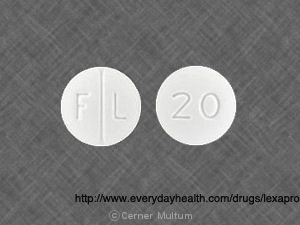
Lexapro, regardless of dosage strength or adherence to intake instructions, may cause side effects. Please tell your doctor if any of the following Lexapro side effects are severe or persistent.
Common Lexapro Side Effects Include: constipation; drowsiness; increased sweating; stomach pain; excessive tiredness; dry mouth; flu-like symptoms; sneezing and runny nose.
Some Lexapro side effects may be more severe. If you experience the following Lexapro side effects or those listed in the IMPORTANT WARNING section, please contact your doctor immediately:
Serious Lexapro Side Effects Include: unusual excitement; hearing voices or seeing things that do not exist (hallucinating); sweating; fast or irregular heartbeat; muscle stiffness and fever.
Lexapro side effects may take other forms. Please contact your doctor if you notice any unusual Lexapro side effects during your course of treatment.
Similar to all antidepressant medications, Lexapro side effects include suicidal thoughts, fatigue and stomach pains. However, the risk of these side effects was not strongly cautioned against when the manufacturer (Forest Labs) first received FDA approval to sell the drug for major depression in 2002—Lexapro was later approved for generalized anxiety disorder the following year. Though the FDA required all antidepressant warnings be updated in 2004 to reflect the risk of these side effects, many users were successful in obtaining a Lexapro settlement from 2005 onwards.
Multidistrict litigation was used to resolve Lexapro lawsuits relating to the drug’s side effects. In 2005, due to the number of pending civil court cases, Forest Labs requested that every Lexapro lawsuit be consolidated and handled under this procedure. Multidistrict litigation involves appointing one federal court to hear multiple similar cases, establishing guidelines for how to handle related lawsuits in the process. Due to the number of plaintiffs seeking a Lexapro settlement, manufacturer Forest Labs was granted its request for this kind of handling of the cases.
While this process was undertaken, the Justice Department was also preparing to file a Lexapro lawsuit. However, the legal action undertaken did not concern Lexapro side effects; instead, the Justice Department pursued a Lexapro settlement on grounds that Forest Labs had deliberately marketed this medication for non-FDA-approved uses. Among its charges, the Justice Department noted that Forest had deliberately encouraged prescribing the drug to pediatric patients regardless of potential Lexapro side effects. In response to this Lexapro lawsuit, Forest Labs agreed to pay roughly $315 million in fines related to this drug, as well as its medication Levothroid and Celexa.
Following the FDA's announcement of this Lexapro settlement in September 2010, Forest Labs began resolving the litigation filed against it. In October 2010, the St. Louis Post-Dispatch reported that the company had begun paying people who had filed a Lexapro lawsuit. However, the terms of any such Lexapro settlement were not made public.
If you wish to pursue a Lexapro lawsuit, consult with an experienced pharmaceutical attorney. Recent reports of birth defects indicate pregnant patients may be able to obtain a Lexapro settlement for damage inflicted on their children. A lawyer can evaluate whether you have a strong case for compensation concerning your reported Lexapro side effects. If such is the case, they may agree to work for free, receiving payment only in the form of a percentage of whatever Lexapro settlement is obtained.
Sources:
1. UNited States National library of Medicine "Leuprolide Injection" retrieved from:
https://www.ncbi.nlm.nih.gov/pubmedhealth/PMH0000852/
2. FDA Center for Drug Evaluation and Research (2001).
"Review and evaluation of clinical data for application 21-323"
3. https://www.fda.gov/Safety/MedWatch/SafetyInformation/ucm169690.htm
4. https://www.fda.gov/downloads/Drugs/GuidanceComplianceRegulatoryInformation/EnforcementActivitiesbyFDA/
WarningLettersandNoticeofViolationLetterstoPharmaceuticalCompanies/UCM170388.pdf