Lyrica Lawsuit
📅 2026 Update: Changes in Product Liability Lawsuits
Since the original article was written, there have been significant developments in lawsuits related to various drugs and medical products. These changes may affect how individuals approach claims related to defective products or pharmaceutical injuries. The earlier article continues further down this page.
🚑 Ozempic Lawsuits Consolidation
As of June 2026, over 3,763 lawsuits involving Ozempic and similar GLP-1 receptor agonist drugs have been consolidated in federal court in Pennsylvania. Plaintiffs claim these drugs cause severe gastrointestinal injuries and vision loss. This consolidation streamlines the legal process and may lead to faster resolutions.
- 🔍 Claim Process: Individuals alleging injuries from Ozempic file claims in this multidistrict litigation (MDL).
- 📝 Eligibility: Those who developed severe side effects after using Ozempic may be eligible to file a lawsuit.
🧠 Depo-Provera Lawsuit Growth
The number of lawsuits concerning the contraceptive Depo-Provera has grown significantly. By June 2026, more than 5,500 cases were included in the MDL. Plaintiffs allege a link between the contraceptive and the development of brain tumors.
- ⚖️ Filing Timeline: The first lawsuit was filed on October 1, 2024. Many more cases have been filed since then.
- 🕒 Ongoing Claims: The growing number of claims indicates a rising concern over the safety of Depo-Provera.
💰 Gardasil Lawsuit Settlement
In June 2026, Merck agreed to pay over $50 million to settle more than 200 Gardasil-related cases. This settlement includes claims previously dismissed in North Carolina and a case in Los Angeles.
- 📊 Impact on Plaintiffs: This settlement may encourage other individuals with similar claims to come forward.
- 📅 Legal Activity: The resolution of these cases reflects ongoing legal challenges surrounding the Gardasil vaccine.
📉 Strive Pharmacy Antitrust Lawsuit
On January 14, 2026, Strive Specialties Inc. filed an antitrust complaint against Eli Lilly and Novo Nordisk. The complaint alleges that these companies have engaged in practices to suppress competition in the GLP-1 weight-loss drug market.
- ⚔️ Market Implications: This lawsuit could change the landscape of weight-loss drugs and affect other related lawsuits.
- 💼 Legal Scrutiny: The case highlights the complexities of competition in the pharmaceutical industry.
📌 Key Points Summary
- 🚑 Ozempic lawsuits have over 3,763 cases consolidated in Pennsylvania.
- 🧠 Depo-Provera lawsuits exceed 5,500 cases, alleging links to brain tumors.
- 💰 Gardasil settlement totals over $50 million for more than 200 cases.
- 📉 Strive Pharmacy has filed an antitrust lawsuit against major drug companies.
- 🏛️ Ongoing litigation continues to shape product liability claims in the U.S.
💡 Tips for Handling Product Liability Claims
Review the details of your situation with your attorney to explore your options.
📝 Understand Your Eligibility
Before filing a lawsuit, confirm your eligibility based on the specific drug or product. For instance, individuals harmed by Ozempic may qualify if they experienced severe side effects.
⏳ Be Aware of Deadlines
Filing deadlines are crucial. For the Depo-Provera cases, the first lawsuit was filed in October 2024, and subsequent claims are bound by statutes of limitations. Keep track of these dates closely.
📑 Document Your Experience
Gather and maintain all records related to your injury or claim. This includes medical records, prescriptions, and any communication with healthcare providers. Documentation can strengthen your case.
🎗️ Seek Free Resources
Consider utilizing free resources offered by nonprofit organizations or government agencies. These can provide valuable information on your rights and help guide your claims process.
🔍 Stay Informed on Legal Developments
Keep up to date with ongoing litigation and settlements related to drugs or products you may be concerned about. Changes in other cases can impact your own situation significantly.
🏆 Free Options Ranked by User Reviews (2026)
No national paid service met the review threshold for this topic. Therefore, this section lists free government and nonprofit resources that can assist individuals with product liability claims.
🥇 1. FDA's Role
The FDA provides essential information on drug safety and adverse events. This resource helps individuals understand the risks associated with medications and medical devices.
- 📚 Information Access: Users can access reports and studies related to drug safety.
- 🛡️ Support for Injured Parties: This information can guide individuals seeking to understand their potential injuries.
🥈 2. Legal Aid Organizations
Various nonprofit organizations offer free legal assistance to individuals pursuing product liability claims. These organizations can connect you with legal help tailored to your situation.
- 🤝 Community Support: They often provide resources and support groups for those affected by defective products.
- 📞 Access to Legal Guidance: Legal aid organizations can help navigate the complexities of filing claims.
🥉 3. State Health Departments
Many state health departments provide information about drug safety and adverse effects. These departments can also update residents on ongoing investigations related to pharmaceuticals.
- 📊 State-Specific Data: Users can find data relevant to their specific location and situation.
- 🛠️ Resource for Legal Claims: Information from health departments can aid in supporting claims related to drug injuries.
4️⃣ Consumer Product Safety Commission (CPSC)
The CPSC monitors the safety of consumer products, including drugs and medical devices. They offer resources for reporting injuries and unsafe products.
- 📋 Reporting Mechanism: Individuals can report issues related to products they believe are hazardous.
- ⚠️ Safety Alerts: CPSC provides alerts on recalls and safety warnings that could impact consumers.
🔎 What to Check Before Paying for Help
- 📅 Deadlines: Ensure you are aware of any deadlines that apply to your situation.
- 📝 Credentials: Verify the qualifications of anyone offering services.
- 🔍 Reviews: Look for reviews or testimonials from previous clients.
- 💰 Costs: Make sure you understand any fees associated with services.
❓ Frequently Asked Questions
❓ What should I do if I think I have a case?
If you believe you have a case regarding a defective product, gather all relevant information and consult with an attorney. They can evaluate your situation and guide you through the process.
🕒 How long does it take for a lawsuit to be resolved?
The timeline for resolving a lawsuit can vary widely. Factors include the complexity of the case and the number of claims involved, especially in multidistrict litigations.
📆 Are there any upcoming trial dates for Ozempic cases?
As of June 2026, no trials have taken place in the Ozempic MDL. Bellwether trials are expected to start in late 2026 or early 2027.
💸 What costs are involved in filing a lawsuit?
Costs can vary based on legal fees, court fees, and other expenses. Individuals may be able to find free legal assistance, which can help reduce costs.
📜 How can I find more information about a specific drug?
You can check the FDA's website for comprehensive information about drug safety, side effects, and ongoing investigations.
🔍 Is there a way to stay updated on lawsuits?
Yes, you can follow legal news sources and government websites for updates on ongoing lawsuits, settlements, and changes in regulations.
⚖️ Recent Court Rulings Related to Product Liability Cases
Recent court rulings indicate ongoing changes and challenges within product liability law. These rulings reflect the evolving landscape of lawsuits involving defective drugs and medical devices.
- Puerto Rico court denies COBRA's request to amend lawsuitTribunal De Apelaciones De Puerto Rico/Court of Appeals of Puerto Rico · June 29, 2026
- Arkansas court rules on custody case involving drug issuesCourt of Appeals of Arkansas · September 16, 2026
- Court rules nursing home immune from COVID-19 lawsuitAppellate Division of the Supreme Court of the State of New York · September 16, 2026
- Court rules in favor of Stop & Shop in injury lawsuitAppellate Division of the Supreme Court of the State of New York · September 16, 2026
Browse more rulings on the news page.
End of October 2026 Update
A Brief Guide to Filing a Lyrica Lawsuit:
What is Lyrica?
Lyrica utilizes Pregablin to relieve neuropathic pain (pain from damaged nerves that occurs in your hands, arms, fingers, legs, toes or feet if the patient has diabetes or in the area of a rash if the patient had shingles). Lyrica is also used to treat fibromyalgia (a long-lasting medical condition that causes pain, muscle fatigue, tenderness and stiffness). Lyrica may also be used with other medications to treat certain types of seizures in patients with epilepsy. Lyrica belongs to a class of medications called anticonvulsants; the drug is effective by decreasing the number of pain signals set out by damaged nerves in the body.
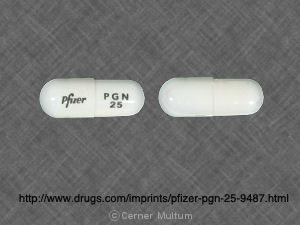
Lyrica Side Effects:
Lyrica side effects may occur regardless of dosage strength, frequency or adherence to intake instructions. Please inform your doctor if any of these Lyrica side effects are severe or persistent:
Common Lyrica side effects include: tiredness; nausea; constipation; elevated moods; dry mouth; headache; difficulty concentrating; confusion; difficulty remembering; lack of coordination; lack of balance; muscle twitching; weight gain; increased appetite; back pain and swelling of the hands, feet, arms, ankles or lower legs.
Other Lyrica side effects are classified as severe. If you experience these Lyrica side effects, please seek emergency medical help:
Serious Lyrica side effects include: blurred vision; hives; rash; itching; blisters; swelling of the face, throat, mouth, gums, tongue, lips, neck or head; shortness of breath; wheezing; muscle pain and chest pain.
Lyrica side effects may come in other forms. Please contact your doctor if you experience any abnormal reactions while using Lyrica.
Lyrica Lawsuit History and FDA Regulations:
The anti-epileptic medication, Lyrica, has been involved in a slew of controversial litigation. In 2009, for example, parent company Pfizer agreed to pay $2.3 billion to the Department of Justice for illegally promoting sales of a Lyrica dosage. This charge revolved around the fact that manufacturers urged doctors to prescribe Lyrica for so-called "off-label" use.
While there is nothing illegal with urging doctors to sell the drug for off-label uses--so long as physicians explain possible Lyrica side effects--Pfizer was actively advertising the medication for non-FDA approved purposes. The size of the settlement in this Lyrica lawsuit reflected the number of drugs involved and the scope of the illegal activity.
Currently, the FDA has not applied its strongest possible caution, known as a "black box warning," to be included with the prescription information that comes with a Lyrica dosage. In 2008, the FDA issued a general warning that Lyrica side effects included an increased risk of suicidal thoughts. This potential reaction to a Lyrica dosage is not exclusive to the drug. Such adverse responses have been noted in response to all antiepileptic medications.
Conceivably, a Lyrica lawsuit could be filed alleging that Pfizer failed to sufficiently caution users about potentially suicidal thoughts and fixations during a course of treatment. In practice, however, there are no reports of successful large-scale litigation regarding Lyrica side effects being resolved with a large settlement.
Another potential cause for a Lyrica lawsuit could be an angioedema allergic reaction. Patients who experience a sudden rash around their face or neck should seek immediate emergency treatment for such Lyrica side effects. Left untreated, this reaction to a Lyrica dosage can be fatal. The risk of these Lyrica side effects is warned against in the prescription information. However, it could be possible for an attorney to pursue a Lyrica lawsuit claiming that the risk of such developments was understated.
Evaluating the likelihood of legal success relating to the long-term effects of a Lyrica dosage can only be accomplished by a legal professional. Since no high-profile Lyrica lawsuit has been completed regarding adverse effects, there is no precedent for such cases.
Sources:
1. United States National Library of Medicine “Pregabalin” retrieved from:
https://www.ncbi.nlm.nih.gov/pubmedhealth/PMH0000327/
2. https://www.fda.gov/Safety/MedWatch/SafetyInformation/
Safety-RelatedDrugLabelingChanges/ucm154524.html
3. https://www.fda.gov/downloads/Drugs/GuidanceComplianceRegulatoryInformation/Guidances/UCM162465.pdf
4. https://www.accessdata.fda.gov/drugsatfda_docs/label/2012/021446s028lbl.pdf