Mirapex Lawsuit
📅 2026 Update: Recent Trends in Product Liability Lawsuits
Since the original article was published, several significant changes have occurred in the landscape of product liability lawsuits. New cases have emerged, and existing lawsuits have seen notable developments. The information below highlights the most important updates, while the earlier article continues further down the page.
🥼 Ozempic Lawsuit Consolidation
As of June 2026, over 3,763 lawsuits concerning Ozempic and similar GLP-1 receptor agonist drugs have been consolidated in federal court in Pennsylvania. Plaintiffs allege that these drugs have caused severe gastrointestinal injuries and vision loss. This consolidation allows for more efficient handling of similar cases.
- 📈 Gastrointestinal Injuries: Many claimants report serious digestive issues after using these medications.
- 👁️ Vision Loss Claims: There are also reports linking these drugs to significant vision problems.
⚖️ Depo-Provera Litigation Growth
The multidistrict litigation involving Depo-Provera has expanded to more than 5,500 cases by June 2026. Plaintiffs allege a connection between the contraceptive and brain tumors.
- 🧠 Brain Tumor Allegations: Many individuals diagnosed with brain tumors have linked their condition to the use of Depo-Provera.
- 🔍 Legal Complexity: This growth indicates an ongoing demand for legal resources and expertise in handling these claims.
💰 Gardasil Lawsuit Settlement
In June 2026, Merck agreed to pay over $50 million to settle more than 200 Gardasil-related cases. This settlement includes cases that were previously dismissed, showing the evolving nature of legal claims surrounding Gardasil.
- 💸 Financial Impact: Such a substantial settlement reflects the seriousness of the claims and the potential risks associated with the vaccine.
- ⚖️ Litigation History: Many of these cases had a long history in courts, indicating the complexity of the issues involved.
🏥 Vanda Pharmaceuticals vs. FDA
In March 2026, Vanda Pharmaceuticals was granted a formal evidentiary public hearing regarding its drug Hetlioz. This marked the first such hearing in over 40 years.
- 📅 Regulatory Challenges: This hearing highlights ongoing challenges in drug approval processes and safety assessments.
- ⚗️ Impact on Future Drugs: The outcome could affect future drug development and approval strategies.
📌 Key Points Summary
- 📊 Over 3,763 lawsuits against Ozempic consolidated in Pennsylvania.
- 📈 Depo-Provera litigation has grown to 5,500 cases related to brain tumors.
- 💰 Merck's $50 million settlement for Gardasil-related claims.
- 🏥 Vanda Pharmaceuticals' significant hearing with the FDA regarding Hetlioz.
💡 Tips for Navigating Product Liability Claims
It's important to discuss your situation in detail with your attorney.
📝 Understand Eligibility Requirements
Before filing a lawsuit, ensure that you meet the eligibility criteria. For instance, individuals who developed severe gastrointestinal injuries or vision loss after using Ozempic may be eligible to file a claim.
⏳ Be Aware of Filing Deadlines
Filing deadlines can vary based on the type of lawsuit. For example, lawsuits involving Depo-Provera began on October 1, 2024, and subsequent filings are subject to applicable statutes of limitations.
🔎 Gather Medical Evidence
Collecting medical records and documentation is essential for strengthening your case. Evidence showing a link between your condition and the product in question can significantly impact the outcome of your claim.
🏥 Seek Support from Nonprofits
If you need assistance with your case, nonprofit organizations may offer free legal support. These organizations can help guide you through the claims process.
📚 Stay Informed about Ongoing Cases
Keeping updated on ongoing litigation can provide valuable insights. For instance, the developments in the Ozempic and Depo-Provera cases may affect the strategies for similar claims.
💬 Utilize FDA Resources
The FDA provides information on drug safety and adverse events. This information can help individuals seeking to understand the risks associated with specific medications.
🏆 Free Options Ranked by User Reviews (2026)
No national paid service met the review threshold in this area, so this section lists free government and nonprofit resources available for individuals seeking assistance with product liability claims.
🥇 1. FDA
The FDA offers information on drug safety and adverse events. This resource is crucial for individuals looking to understand the risks associated with medications and their potential side effects.
- 🚨 Safety Alerts: The FDA regularly updates safety alerts for various drugs and medical devices.
- 📚 Educational Material: It provides educational resources that help consumers make informed choices.
🥈 2. Legal Aid Organizations
Various nonprofit legal aid organizations offer free legal assistance to those pursuing product liability claims. They can provide support in understanding the legal process and help individuals prepare their cases.
- 🤝 Community Support: These organizations often focus on helping low-income individuals navigate complex legal issues.
- 📖 Resource Accessibility: They offer workshops and informational sessions to educate the public about their rights.
🥉 3. State Health Departments
State health departments can provide information regarding drug safety and health risks. They often have resources available for tracking adverse drug reactions and other safety concerns.
- 🗂️ Public Health Records: State health departments maintain records that may be useful for individuals pursuing claims.
- 📝 Advisory Services: They offer advisory services that can guide individuals regarding health-related inquiries.
4️⃣ Consumer Protection Agencies
State and local consumer protection agencies can help individuals file complaints about defective products. They also provide educational materials on consumer rights.
- ⚖️ Legal Support: These agencies can assist in understanding consumer laws and rights regarding product defects.
- 🔍 Investigation Services: They may conduct investigations into widespread issues affecting consumers.
🔎 What to Check Before Paying for Help
- 🧐 Verify Credentials: Ensure the provider has valid credentials and experience.
- 📅 Understand Fees: Check for any hidden fees or costs associated with services.
- 📞 Ask About Success Rates: Inquire about their success rates with similar cases.
- 📝 Read Reviews: Look for reviews from previous clients to gauge their satisfaction.
❓ Frequently Asked Questions
❓ What types of injuries are associated with Ozempic?
Ozempic has been linked to severe gastrointestinal injuries and vision loss. Patients using this medication should be aware of these potential side effects.
📄 How do I file a lawsuit against Depo-Provera?
To file a lawsuit against Depo-Provera, you must gather medical evidence and consult with your attorney about the eligibility criteria and deadlines for filing.
⚠️ What is the current status of the Ozempic lawsuits?
As of June 2026, no trials have taken place in the Ozempic lawsuits, but bellwether trials are expected to begin in late 2026 or early 2027.
💵 How much did Merck settle for in Gardasil cases?
Merck agreed to pay over $50 million to resolve more than 200 Gardasil-related cases in June 2026, highlighting the seriousness of the claims.
🗓️ What is the significance of the Vanda Pharmaceuticals hearing?
The hearing granted to Vanda Pharmaceuticals regarding Hetlioz marks the first formal evidentiary public hearing in over 40 years, indicating significant regulatory challenges.
🏥 Where can I find support for my product liability claim?
Individuals can seek support from nonprofit organizations, the FDA, and state health departments for assistance with product liability claims.
⚖️ Recent Cases Related to Product Liability
Recent court rulings have highlighted ongoing challenges and developments in product liability cases, particularly involving medications like Ozempic and Depo-Provera. These cases illustrate the complexities of legal claims regarding drug safety.
- Ninth Circuit Reverses Class Action Ruling Against CenturyLinkCourt of Appeals for the Ninth Circuit · September 22, 2026
- Ninth Circuit revives Kia Hyundai theft lawsuit against firmsCourt of Appeals for the Ninth Circuit · September 14, 2026
- Kansas Supreme Court rules on warrant check in drug caseSupreme Court of Kansas · August 21, 2026
- Pennsylvania Supreme Court Dissent in Drug Overdose CaseSupreme Court of Pennsylvania · August 18, 2026
For further insights, you can browse more rulings on the news page.
End of October 2026 Update
A Brief Guide to Filing a Mirapex Lawsuit:
What is Mirapex?
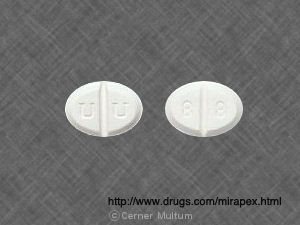
Mirapex, which is the brand name of Pramipexole, is administered to treat the symptoms of Parkinson’s disease---a medical disorder of the nervous system that causes difficulties with muscle control, balance and movement. Mirapex, in addition to this application, is also used to treat restless legs syndrome. Mirapex belongs to a class of medications called dopamine agonists; it is effective by acting in place of dopamine, a substance in the brain that aids in movement control.
Mirapex Side Effects:
Mirapex side effects may present themselves regardless of dosage strength or adherence to intake instructions. Please tell your doctor if the following Mirapex side effects are severe or persistent:
Common Mirapex side effects include: nausea; abnormal body motions and movements; dizziness; drowsiness; difficulty falling or staying asleep; difficulty thinking or remembering; confusion; abnormal dreams or thoughts; heartburn; diarrhea; loss of appetite; dry mouth; joint pain; difficulty urinating; decreased sexual interest; swelling of the hands, arms, feet, ankles or lower legs.
Some Mirapex side effects are classified as severe; these reactions require immediate medical attention. Please contact your doctor if you experience the following Mirapex side effects:
Serious Mirapex side effects include: hallucinations; chest pain; muscle stiffness; muscle weakness; muscle tenderness; red or dark-colored urine; shortness of breath; changes in vision
Some patients taking Mirapex also developed gambling problems, overeating problems and an increased interest in sex. That being said, the FDA declares a lack of information to affirm the link between these addictions and Mirapex use.
Mirapex Lawsuits and the FDA:
Since its approval in 1997, there has been a steady increase of Mirapex lawsuits, filed by patients experiencing some of the aforementioned side effects. As stated above, multiple studies have established a link between treatment with the medication and the loss of impulse control, leading to behaviors including compulsive gambling.
Due to the volume of Mirapex lawsuits, litigation efforts are now handled under the process of multidistrict litigation--a procedure where a federal court hears multiple cases concerning the same complaint. In 2007, the federal district court of Minnesota was appointed to oversee Mirapex lawsuits.
Several studies have demonstrated that Mirapex side effects conclusively included a lack of impulse control. A 2005 review of FDA reports of adverse effects found that 39 users of the drug had reported the development of pathological gambling habits. A 2009 Mayo Clinic provided further justification for people who wished to file a Mirapex lawsuit. While none of the patients taking the medication Carbidopa developed such symptoms, seven users of the medication developed these Mirapex side effects.
The first Mirapex lawsuit in the multidistrict litigation was heard in 2008. The plaintiff said he began taking the medication but did not develop compulsive gambling habits until 2002. As part of his Mirapex lawsuit, the plaintiff noted that his gambling continued for three months after he stopped treatment in November 2005. He was awarded a Mirapex settlement of $8.2 million in June 2008.
The success of this Mirapex lawsuit was due to several factors. Most importantly, while seeking a Mirapex settlement, the plaintiff's lawyers pointed to studies and FDA reports regarding gambling behaviors. Their Mirapex lawsuit argued that these studies should have spurred the drug's manufacturers to conduct tests to investigate this risk. Furthermore, the complaint seeking a Mirapex settlement noted that the company did not provide any warning label information of this possible development until March 2005. This justified the plaintiff in arguing the drug information provided was not sufficient for patients to make an informed decision about treatment.
The results of subsequent suits seeking a Mirapex settlement have not been made public. Litigation regarding Mirapex side effects is still being handled by the same federal court. It is unclear when every suit seeking a Mirapex settlement will be concluded. However, the statute of limitations to pursue compensation for Mirapex side effects that occurred before March 2005 will have expired for nearly all plaintiffs. Therefore, seeking a Mirapex settlement for such claims is no longer possible.
Recent studies have suggested that Mirapex side effects concerning the risk of cardiac failure are greater than suggested by the manufacturer. It may be possible to seek a Mirapex settlement if you have experienced a heart attack or other adverse effect related to such treatment. However, no litigation concerning such Mirapex side effects is known to have been successful at present.
Sources:
1. The United States National Library of Medicine “Pramipexole” retrieved from:
https://www.ncbi.nlm.nih.gov/pubmedhealth/PMH0001004/
2. https://www.accessdata.fda.gov/drugsatfda_docs/label/2008/020667s014s017s018lbl.pdf
3. https://www.fda.gov/Safety/MedWatch/SafetyInformation/
SafetyAlertsforHumanMedicalProducts/ucm320054.html
4. https://www.fda.gov/Safety/MedWatch/SafetyInformation/ucm314778.html