Motor Vehicle Defects
📅 2026 Update: Changes in Product Liability and Defective Products
Since the original article on motor vehicle defects was published, there have been important updates in product liability laws and regulations. These changes impact how defective products, including vehicles, are handled legally. The previous article continues below this section, providing more context and information.
⚖️ Eighth Circuit Certification on E-commerce Liability
In April 2026, the Eighth Circuit Court of Appeals asked the Minnesota Supreme Court if e-commerce companies like Amazon could be held strictly liable for defective products sold by third parties. This case could shape how online retailers manage liability for items sold on their platforms.
- 📌 Strict Liability: If the court rules in favor of strict liability, e-commerce platforms may bear more responsibility for unsafe products.
- 📌 Consumer Protection: This ruling could lead to stronger protections for consumers shopping online.
🚗 Ford Vehicle Recall Update
Ford's recall of over 1.4 million vehicles, including popular models like the Explorer and Navigator, was a major event in 2025. The recall was due to defective rearview cameras, with free replacements not fully available until mid-2026.
- 🛠️ Safety Concerns: Defective rearview cameras can lead to dangerous situations while reversing.
- 🛠️ Free Repairs: Consumers affected by this recall can get their vehicles repaired at no cost.
🔍 AI Liability Developments
As of September 2026, the former FTC Chair Lina Khan stated that current U.S. laws hold AI companies accountable for releasing unsafe or defective products. This could impact various sectors, including those producing motor vehicles.
- 🤖 Accountability: Companies developing AI must ensure their products meet safety standards.
- 🤖 Legal Precedents: This approach may influence future lawsuits involving AI in vehicles.
🌍 Global Changes in Product Liability
The European Union revised its Product Liability Directive in 2024 to include software and AI systems. This shift means that producers could be liable for defects in a broader array of products, including those related to motor vehicles.
- 📱 Software Inclusion: This highlights the growing importance of technology in consumer products.
- 📱 Producer Responsibility: Companies must be aware that liability extends to both hardware and software.
📌 Key Takeaways
- ⚖️ E-commerce companies may face stricter liability for defective products.
- 🚗 Ford's recall of over 1.4 million vehicles highlights ongoing safety issues.
- 🤖 AI companies are now held accountable under existing laws for product safety.
- 🌍 The EU's changes broaden liability to include software and AI systems.
💡 Tips for Handling Defective Products
It's essential to discuss your specific situation with an attorney to ensure you understand your rights and options.
🛡️ Report Defective Products Promptly
If you discover a defective product, report it to the relevant authorities immediately. Taking quick action helps protect your rights and may prevent others from being harmed.
📞 Use Consumer Reporting Resources
In Cyprus, you can report defective products to the Cypriot Consumers' Association. They provide free assistance to help consumers navigate their issues.
⚠️ Stay Informed on Recalls
Keep track of vehicle recalls, especially those affecting models you own. Websites and news sources report on recalls, ensuring you stay updated on safety issues.
🧩 Understand Your Rights
Familiarize yourself with local consumer protection laws. Knowing your rights can empower you to take action against manufacturers and sellers of defective products.
🔄 Check Repair Options
If you own a recalled vehicle, check if the required repairs are available. Staying informed about repair options ensures your vehicle remains safe to drive.
📜 Keep Documentation
Maintain records of any defective products, including purchase receipts and correspondence with manufacturers. This documentation can be crucial if you decide to pursue legal action.
🏆 Free Options Ranked by User Reviews (2026)
No national paid service has met the review threshold for this topic. Instead, here are free government and nonprofit resources that can help with product liability issues.
🥇 1. Cypriot Consumers' Association
The Cypriot Consumers' Association assists consumers in reporting defective products. They provide guidance and support in navigating complaints and recalls.
- 📞 Contact Information: Consumers can reach them by phone or email for assistance.
- 🛡️ Consumer Rights: They help ensure consumer rights are respected and upheld.
🥈 2. National Consumer Protection Authority of Romania
Romania's National Consumer Protection Authority offers resources for consumers facing issues with non-conforming goods. They help enforce legal protections and ensure traders comply with regulations.
- ⚖️ Effective Intervention: The Authority can intervene when traders refuse to replace faulty goods.
- 📅 Timely Solutions: They ensure that traders respect the maximum legal period for addressing non-conformities.
🥉 3. U.S. Federal Trade Commission (FTC)
The FTC provides resources and information about consumer rights regarding defective products. They monitor and enforce laws to protect consumers from unfair practices.
- 📄 Educational Resources: The FTC offers guides on how to handle defective products and recalls.
- 🛡️ Enforcement: They investigate complaints related to product safety and unfair trade practices.
4️⃣ Consumer Product Safety Commission (CPSC)
The CPSC oversees the safety of consumer products in the U.S. They track recalls and safety issues nationwide.
- 📊 Recall Information: The CPSC provides updates on recalls and safety alerts.
- 🔍 Consumer Safety: They work to ensure that products on the market are safe for consumers.
🔎 What to Check Before Paying for Help
- 🔍 Verify Credentials: Ensure the organization or service is legitimate and recognized.
- 🔍 Look for Reviews: Check user reviews to gauge the quality of the service.
- 🔍 Understand Fees: Be clear on any potential costs before engaging with a service.
- 🔍 Check Success Rates: Research the success rates of similar cases handled by the resource.
❓ Frequently Asked Questions
❓ What should I do if I find a defective product?
Immediately report the defective product to the retailer or manufacturer. Documentation of the issue can help in resolving the situation.
🔧 How can I find out about vehicle recalls?
You can check the National Highway Traffic Safety Administration (NHTSA) website for the latest recall information on vehicles.
📞 Who can assist me with defective product claims?
For assistance, consider reaching out to consumer protection agencies or nonprofit organizations that provide support for reporting defective products.
🔍 What are my rights as a consumer regarding defective products?
Consumers have the right to seek refunds, repairs, or replacements for defective products under local consumer protection laws.
🚗 Are there any recent recalls I should be aware of?
Yes, Ford's recall of over 1.4 million vehicles due to defective rearview cameras is a significant recent event affecting many consumers.
🏛️ How does the law handle defective products?
Laws vary by state, but generally, consumers can hold manufacturers and sellers liable for injuries caused by defective products under product liability laws.
⚖️ Recent Cases Related to Product Liability
Recent court rulings have focused on how product liability laws are applied to various products, including vehicles. These rulings can influence future cases and the responsibilities of manufacturers.
- Ohio Court Rules on Cyberattack Liability for ColumbusOhio Court of Appeals · September 24, 2026
- Washington Supreme Court rules on police liability caseWashington Supreme Court · September 3, 2026
- Kansas Supreme Court upholds drug evidence in traffic stopSupreme Court of Kansas · September 4, 2026
- Colorado Supreme Court Rules on Ski Resort Liability WaiverSupreme Court of Colorado · September 21, 2026
Readers can explore more recent rulings in the news section for ongoing updates and developments. more rulings on the news page.
End of October 2026 Update
What are motor vehicle defects?
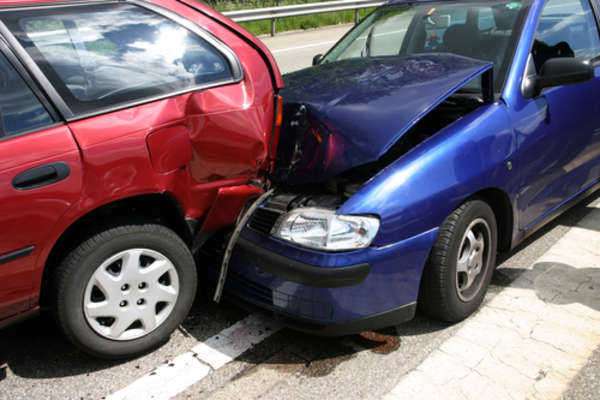
Motor vehicle defects are exactly that, defects that are found in your car, truck, motorcycle, boat, etc. Motor vehicle defects arise when an automobile is sent into the stream of commerce and contains some defective part that can often lead to injury.
What kind of defects are there?
There are two major types of defects that are found in motor vehicles, and all product liability. They are manufacturer defects and design defects.
MANUFACTURER DEFECT
Manufacturer defects come about when a, normally functioning, motor vehicle comes of the production line with a defect in its make-up. An example of this would be when a thousand automobiles are produced and one or two have defective transmissions.
A common manufacturer defect that leads to injury involves defective tires, either in their tread or the strength of the rubber.
DESIGN DEFECT
A design defect is something a little more serious. A design defect occurs when the product that that manufacturer puts into the stream of commerce is naturally faulty and dangerous. Design defects have been a source of major litigation and recall in recent years.
The common design defects associated with motor vehicle defects that have been prevalent lately are unintended acceleration which resulted in the recall and suspension of production of a number of Toyota vehicles. There have also been rampant cases of rollovers in SUVs and design defects in tires have also been the cause of many injuries.
What is necessary for a claim?
In order to have a claim for a motor vehicle defect 3 conditions must be proved by the plaintiff. First, the plaintiff must show that the vehicle entered the stream of commerce in an "unreasonably dangerous" condition. Secondly, the plaintiff must show that injury occurred while using the product in the manner that it was intended. Thirdly, the plaintiff must show that the vehicle has not been altered in any way that would affect how the vehicle performs.
Lawsuits
Probably the most famous design defect case in the history of American litigation involved the Ford Pinto. The Ford Pinto was manufactured from 1971 – 1980. In 1977 the Pinto came under fire over concerns that its fuel tank was defectively designed and could cause the car to explode upon being rear-ended in an automobile accident. In the wake of the controversy Ford refused to redesign the Pinto and instead decided to continue selling the Pinto under the idea it would cost more to fix then a lawsuit. In 1972 a court awarded damages of $2.5 million in compensatory damages and $3.5 million in punitive damages after a car accident caused an explosion killing one and severely burning another. After years of controversy the Pinto was eventually recalled by Ford.
What do I do if I'm injured in a car accident?
If you or someone you know has been injured in a car accident the first thing you should do is seek medical attention. Once you have gone through treatment it is important that you seek an attorney specializing in personal injury and preferably motor vehicle defect cases.