Neurontin Lawsuit
📅 2026 Update: Recent Developments in Drug Liability Lawsuits
Since the original article was published, there have been significant developments in product liability lawsuits related to pharmaceuticals. New cases have emerged, and settlements have been reached, highlighting ongoing issues with drug safety and legal accountability. The earlier article continues further down the page and provides foundational information on product liability law.
🚨 Ozempic Lawsuits Consolidated
As of June 2026, 3,763 lawsuits have been filed against the drug Ozempic and similar GLP-1 receptor agonists. Plaintiffs allege these drugs caused severe gastrointestinal injuries and vision loss. These cases have been consolidated in a federal court in Pennsylvania, indicating the seriousness of the claims and the growing concern over these medications.
💰 Gardasil Lawsuit Settlement
In June 2026, Merck agreed to pay over $50 million to settle more than 200 Gardasil-related cases. This settlement includes previously dismissed cases from North Carolina and a long-running case in Los Angeles. This outcome shows the legal risks associated with vaccines and the importance of public health claims.
🧠 Depo-Provera Lawsuit Growth
The multidistrict litigation for Depo-Provera has expanded significantly. By June 2026, there are over 5,500 cases alleging a link between the contraceptive and brain tumors. This growth demonstrates how many individuals are seeking justice for potential harms related to this product.
⚖️ Strive Pharmacy Antitrust Case
On January 14, 2026, Strive Specialties Inc. filed an antitrust lawsuit against Eli Lilly and Novo Nordisk. The complaint alleges that these companies suppressed competition in the GLP-1 weight-loss drug market. This legal action highlights the intersection of product liability and market competition.
📈 Vanda Pharmaceuticals vs. FDA
In March 2026, Vanda Pharmaceuticals received a formal evidentiary public hearing from the FDA regarding its drug Hetlioz. This marks the first such hearing in over 40 years and could impact how pharmaceutical claims are processed in the future.
📌 Key Points
- 🚨 3,763 Ozempic lawsuits consolidated in federal court.
- 💰 Merck's $50 million settlement for Gardasil cases.
- 🧠 Over 5,500 Depo-Provera cases filed, linking it to brain tumors.
- ⚖️ Strive Pharmacy's antitrust lawsuit against Eli Lilly and Novo Nordisk.
- 📈 Vanda Pharmaceuticals challenged the FDA’s rejection of Hetlioz.
💡 Tips for Understanding Product Liability Lawsuits
Review the details of your own situation with your attorney to understand your options.
🔍 Understand Eligibility Requirements
Before filing a lawsuit, ensure you meet the eligibility requirements. For Ozempic, individuals must have suffered severe gastrointestinal injuries or vision loss. Those using Depo-Provera should have a diagnosis of brain tumors to qualify.
📅 Be Aware of Filing Deadlines
Filing deadlines are critical in product liability cases. The first Depo-Provera lawsuit was filed on October 1, 2024. Subsequent claims must adhere to applicable statutes of limitations to be valid.
🏛️ Know Where to File
Ozempic claims are filed in the multidistrict litigation in Pennsylvania. Familiarize yourself with the specific court procedures and requirements for your case.
⚖️ Gather Evidence Early
Document any medical issues and treatments related to the drug in question. This evidence can be crucial in building a strong case against the manufacturers.
📞 Seek Free Legal Assistance
Consider reaching out to nonprofit organizations that offer free legal support for individuals pursuing product liability claims. This can help reduce costs while navigating the legal process.
📊 Stay Informed About Ongoing Cases
Keep track of current lawsuits and settlements in the news. Understanding these developments can provide insights into the legal landscape and how similar cases are being resolved.
🏆 Free Options Ranked by User Reviews (2026)
No national paid service in this area met the review threshold. Below are free government and nonprofit resources for individuals involved in product liability cases.
🥇 1. FDA
The FDA provides important information on drug safety and adverse events. This resource helps individuals understand the risks associated with medications and informs them about reporting adverse reactions.
🥈 2. Legal Aid Organizations
Various nonprofit organizations offer free legal assistance for those pursuing product liability claims. These organizations can help individuals navigate the complexities of the legal system without incurring high costs.
🥉 3. State Health Departments
State health departments often provide resources and guidance on public health issues, including vaccine safety and drug-related injuries. They can be a valuable source of information for individuals seeking help.
4️⃣ Consumer Product Safety Commission (CPSC)
The CPSC monitors product safety and can assist individuals with injuries related to defective products. They offer resources for reporting unsafe products and understanding consumer rights.
5️⃣ National Institutes of Health (NIH)
The NIH provides research and information on various health topics, including the effects of medications. This can help individuals better understand the potential risks associated with specific drugs.
🔎 What to Check Before Paying for Help
- 📄 Verify the credentials of any organization offering assistance.
- 💵 Ensure there are no hidden fees associated with services.
- 📞 Contact multiple organizations to compare services.
- 📊 Research reviews and testimonials from previous clients.
❓ Frequently Asked Questions
❔ What are the main claims in Ozempic lawsuits?
Plaintiffs claim that Ozempic and similar drugs cause severe gastrointestinal injuries and vision loss. The growing number of lawsuits reflects serious concerns about the drug's safety.
❔ How much did Merck pay for the Gardasil settlement?
Merck agreed to a settlement of over $50 million to resolve more than 200 Gardasil-related cases. This settlement addresses claims related to adverse effects from the vaccine.
❔ What does the Depo-Provera lawsuit allege?
The lawsuits allege a link between Depo-Provera and brain tumors. Ongoing litigation has resulted in more than 5,500 cases consolidated in multidistrict litigation.
❔ What should I do if I suffered side effects from a drug?
Document your medical history related to the drug and consult with an attorney to understand your eligibility for a lawsuit. This will help you assess your options.
❔ How can I find legal aid for product liability claims?
Seek assistance from nonprofit organizations that specialize in product liability cases. They can offer guidance and support without the burden of high legal fees.
❔ What is the significance of the Vanda Pharmaceuticals hearing?
The FDA's decision to grant Vanda Pharmaceuticals a public evidentiary hearing is significant as it could influence future drug approval processes and accountability for pharmaceutical companies.
⚖️ Recent Cases Related to Drug Liability
Recent court rulings indicate ongoing legal battles in drug liability cases, emphasizing the importance of consumer safety and accountability in the pharmaceutical industry.
- North Carolina Supreme Court Revives Turpin Family's LawsuitSupreme Court of North Carolina · August 14, 2026
- Washington Supreme Court rules on drug court fee refund caseWashington Supreme Court · September 10, 2026
- Seventh Circuit upholds drug conviction of Robert PenningtonCourt of Appeals for the Seventh Circuit · September 4, 2026
- Seventh Circuit Upholds Drug Conviction in Traffic Stop CaseCourt of Appeals for the Seventh Circuit · September 4, 2026
Explore more about recent rulings in the legal landscape by visiting more rulings on the news page.
End of October 2026 Update
A Brief Guide to Filing a Neurontin Lawsuit:
Neurontin, the brand name for Gabapentin, comes as a capsule, tablet and oral solution to help control certain types of seizures in epilepsy patients. This medication is also used to relieve the pain of PHN (postherpetic neuralgia; the stabbing or burning pain that occurs after shingles). Neurontin belongs to a class of medications known as anticonvulsants; the drug treats seizures by decreasing abnormal excitement levels in the brain. Neurontin relieves the pain associated with PHN by altering the way the body senses pain.
Ever since being introduced to the American market as an antiepileptic medication, controversial Neurontin side effects have led to extensive litigation against manufacturer Pfizer.
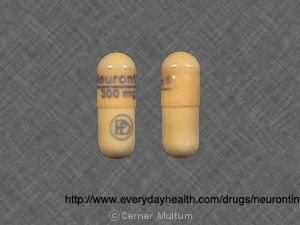
In 2009, the FDA mandated that a warning be added to the drug’s packaging to illuminate Neurontin side effects, placing an emphasis on the increased risk of suicide.
The litigation—because of the delayed reaction by the FDA-- that followed was not the first Neurontin lawsuit to be undertaken. The first lawsuit was filed in 1996 and concerned the illegal marketing of the medication for unapproved purposes. While prescribing a medication "off-label" is not illegal, Pfizer violated the law by spending money to market the drug for such purposes. The Neurontin lawsuit was filed by a former employee who also charged that the company had persuaded physicians to bill Medicare and Medicaid for off-label prescriptions of the drug.
In 2004, a large Neurontin settlement consisting of $430 million total was negotiated. None of the proceeds from this Neurontin lawsuit were reserved from patients who might have been harmed by taking the drug. Similarly, a 2010 Neurontin settlement towards the Kaiser health care settlement consisting of $141 million accused the company of inappropriately encouraging physicians to prescribe the drug for unapproved purposes. Again, none of the settlement money was set aside for potential victims of Neurontin side effects.
Following the FDA's announcement of the increased risk of suicide, patients seeking a Neurontin settlement began filing litigation. To handle the number of cases regarding Neurontin side effects, the District Court of Boston was appointed to hear all cases in a process known as multidistrict litigation. This action consolidated every Neurontin lawsuit into an all-encompassing suit.
The first hearing regarding a Neurontin settlement began in July 2009. However, the hearings regarding compensation for Neurontin side effects ended after one day when the plaintiffs dropped their case in exchange for a donation from a lawyer who did not wish to be identified. The next Neurontin lawsuit resulted in an out-of-court agreement in April 2010. Though the terms of the Neurontin settlement were not officially announced, estimates—rendered by various medical and media professionals-- placed the amount at roughly $400,000. A month later, a similar Neurontin lawsuit was settled for an undisclosed amount prior to the beginning of trial.
Subsequent plaintiffs seeking compensation; however, have been less successful. Two out of the first three cases seeking a Neurontin settlement for a person who faced increased suicidal urges while taking the drug were resolved in favor of the company. Though over 1,000 people filed suit after the FDA's warning, it is unknown how many still seek compensation for Neurontin side effects.
People who wish to seek a Neurontin settlement may have already exceeded the statute of limitations for such lawsuits. Since the 2009 FDA warning regarding of suicidal Neurontin side effects, it will be harder to claim a patient was unaware of this risk.
Sources:
1. https://www.fda.gov/NewsEvents/Newsroom/PressAnnouncements/2007/ucm108905.htm
2. https://www.dir.ca.gov/dwc/DWCPropRegs/MTUS_Regulations/MTUS_ChronicPainMedicalTreatmentGuidelines.pdf
3. https://online.wsj.com/article/SB10001424052702304017404575165992338949212.html