Oxycontin Lawsuit
📅 2026 Update: Recent Developments in Oxycontin and Related Lawsuits
Since the original article was published, significant developments have occurred in lawsuits related to various pharmaceutical products, including Oxycontin. New cases have emerged, and existing claims have evolved, affecting many individuals. For more detailed information, the earlier article continues further down the page.
🩺 New Lawsuits and Consolidations
A notable trend is the consolidation of lawsuits involving drugs like Ozempic, where 3,763 claims alleging severe gastrointestinal injuries and vision loss were consolidated in federal court in Pennsylvania by June 2026. This indicates a growing concern over the safety of certain medications, similar to the issues surrounding Oxycontin.
- 🧑⚕️ Gardasil Settlement: Merck's recent settlement of over $50 million for more than 200 Gardasil-related cases highlights the ongoing legal battles pharmaceutical companies face regarding product safety.
📈 Growth of Depo-Provera Cases
The Depo-Provera multidistrict litigation has seen substantial growth, reaching over 5,500 cases by June 2026. These lawsuits allege a link between the contraceptive and brain tumors, indicating a serious level of concern among users. Such developments may resonate with individuals affected by Oxycontin and its legal implications.
- 📅 Initial Filing: The first Depo-Provera lawsuit was filed on October 1, 2024, suggesting prompt action by affected individuals similar to what is seen in Oxycontin cases.
⚖️ Ongoing MDL Processing
As of June 2026, the Ozempic MDL had not yet seen any trials, although bellwether trials are expected to begin in late 2026 or early 2027. This delay in trials may reflect the complexity of cases similar to those involving Oxycontin.
- ⏳ Claim Processing: With ongoing processing in the Depo-Provera MDL, the legal landscape for product liability claims continues to evolve, affecting timelines and expectations for individuals involved.
📋 Eligibility for Lawsuits
Individuals claiming severe gastrointestinal injuries or vision loss from Ozempic may be eligible to file lawsuits. Similarly, those diagnosed with brain tumors after using Depo-Provera could also qualify for legal action. This sets a precedent for potential claims related to Oxycontin.
- 🔍 Awareness of Risks: These cases underscore the importance of understanding the risks associated with medications, which is essential for anyone considering legal action.
📌 Key Takeaways
- 🩺 Lawsuits: Significant growth in lawsuits against drugs like Ozempic and Depo-Provera.
- 📈 Settlements: Merck's $50 million Gardasil settlement reflects ongoing legal challenges.
- ⚖️ MDL Updates: Ozempic MDL trials expected to start soon, mirroring challenges seen in Oxycontin litigation.
- 📋 Eligibility: Potential claimants must be aware of eligibility criteria for various lawsuits.
- 🔍 Awareness: Understanding the risks of medications is crucial for individuals considering legal action.
💡 Tips for Individuals Considering Legal Action
Reviewing your situation with an attorney is crucial to understand your options and the legal process involved.
🧑⚖️ Understand Your Eligibility
Before moving forward, ensure you meet the eligibility criteria for lawsuits related to drugs like Oxycontin, Ozempic, or Depo-Provera. Each case has specific requirements based on the injuries sustained.
📅 Keep Track of Deadlines
Stay informed about filing deadlines related to your case. For instance, the first Depo-Provera lawsuit was filed in October 2024, highlighting the importance of timely action.
🔍 Gather Medical Documentation
Collect all medical records and documents that support your claims. This evidence will be essential in establishing a link between the medication and any health issues experienced.
📝 Monitor Ongoing Cases
Stay updated on ongoing cases and settlements, as these can influence your situation. Recent settlements, like the one from Merck for Gardasil, may set precedents.
🤝 Explore Free Resources
Consider utilizing free government and nonprofit resources for guidance and support. Organizations can provide valuable information about your rights and options without incurring costs.
🏆 Free Options Ranked by User Reviews (2026)
No national paid service in this area met the review threshold, so this section lists free government and nonprofit resources named in FACTS instead.
🥇 1. FDA's Role
The FDA provides information on drug safety and adverse events. Individuals seeking knowledge about pharmaceutical injuries can find helpful resources through the FDA's website. This information is crucial for understanding the impacts of medications like Oxycontin and others.
🥈 2. Legal Aid Organizations
Various nonprofit organizations offer free legal assistance to individuals pursuing product liability claims. These groups can help guide you through the process and ensure you have access to necessary resources for your case.
🔎 What to Check Before Paying for Help
- 💼 Verify the credentials of any legal aid organization.
- 📑 Ensure they have experience with product liability cases.
- 🛡️ Check for any reviews or testimonials from past clients.
- 📞 Confirm that their services are free of charge to avoid unexpected fees.
❓ Frequently Asked Questions
❓ What are the common claims in Oxycontin lawsuits?
Claims often involve allegations of addiction, improper marketing, and failure to warn about potential side effects. These claims reflect broader concerns about the safety of opioids.
❓ How long does it take for a lawsuit to resolve?
Resolution times can vary widely depending on the complexity of the case and the number of claims involved. Cases may take several months to years before reaching a conclusion.
❓ Are there any recent settlements related to similar drugs?
Yes, Merck recently settled over 200 Gardasil-related cases for more than $50 million. Such settlements indicate ongoing legal battles in the pharmaceutical industry.
❓ What should I do if I experience side effects from a medication?
Document your symptoms and consult a healthcare professional. It’s critical to understand the risks associated with the medication and seek appropriate care.
❓ How do I find a qualified attorney for my case?
Research legal aid organizations and community resources that specialize in product liability. They can provide guidance on finding qualified legal help.
❓ Can I join a class action lawsuit for Oxycontin-related claims?
Joining a class action lawsuit may be possible if you meet the eligibility criteria. It's essential to research ongoing cases and understand the specific requirements for participation.
⚖️ Recent Court Rulings in Pharmaceutical Cases
Recent court rulings have addressed ongoing issues related to product liability and safety in the pharmaceutical industry. These rulings often influence how cases like those involving Oxycontin are handled.
- Texas Court dismisses appeal in healthcare liability caseTexas Court of Appeals, 3rd District (Austin) · August 31, 2026
- Texas court dismisses lawsuit over city water line upgradeTexas Court of Appeals, 6th District (Texarkana) · August 27, 2026
- Court upholds dismissal of Naterria Pratt's injury lawsuitLouisiana Court of Appeal · August 26, 2026
- Court rules on liability in Laubis v. County of Nassau caseAppellate Division of the Supreme Court of the State of New York · August 19, 2026
To learn more about recent rulings, browse more rulings on the news page.
End of October 2026 Update
A Brief Guide to Filing an Oxycontin Lawsuit:
What is Oxycontin?
Oxycontin (also known as Oxycodone) is used to relieve moderate to severe pain. Oxycontin belongs to a class of medications known as opiate analgesics. The drug is effective by changing the way the nervous system and brain respond to pain.
Oxycontin, like all opioid narcotics, is susceptible to being abused because of its euphoric-inducing properties.
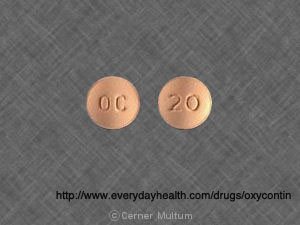
Oxycontin is heavily regulated by the FDA. In addition to being addictive, the drug poses numerous side effects.
Oxycontin Side Effects:
Oxycontin side effects may appear regardless of dosage frequency or strengths. Please tell your doctor if you experience any of the following Oxycontin side effects:
• Common Oxycontin Side Effects Include: nausea; loss of appetite; constipation; vomiting; dry mouth; lightheadedness; flushing; sweating; weakness; mood swings; decrease in pupil size; red eyes; itching; drowsiness.
Some Oxycontin side effects are deemed severe; if you experience any of the following Oxycontin side effects you must discontinue use and seek immediate medical help:
• Serious Oxycontin Side Effects Include: slow or rapid heartbeat; difficulty breathing; hives; rash; swelling of the throat, face, tongue, eyes, lips, feet, hands, ankles or lower legs; hoarseness; difficulty swallowing; seizures; confusion; fainting; dizziness; loss of consciousness.
If you experience serious Oxycontin side effects, you or your medical professional may file a report with the United States Food and Drug Administration’s MedWatch Adverse Event Reporting program at http:www.fda.gov/Safety/MedWatch or via phone at 1-800-332-1088.
Oxycontin FDA Warnings:
Oxycontin, because of its addictive properties and side effects, should only be administered to people who require regularly scheduled doses of pain medication to treat persistent pain for an extended length of time.
The FDA states that Oxycontin in the 60-mg and 160-mg form (not available in the US) should only be used to treat those who are tolerant to narcotic pain medication. Improper administration of these Oxycontin pills may cause serious respiratory problems or death.
Oxycontin Lawsuits:
The pain reliever Oxycontin is highly addictive, with potentially fatal results for those who overuse the medication. To guard against such Oxycontin side effects, prescriptions and use are tightly regulated. However, when the medication was introduced to the market, manufacturing company Purdue Pharma did not provide sufficient prescription information warning of the potential for Oxycontin addiction. Failure to warn the general public of these reactions is deemed negligent, and thus serves as grounds for Oxycontin lawsuits.
Until 2004, no Oxycontin lawsuit was successfully pursued against Purdue Pharma. However, by the middle of 2011, 121 Oxycontin suits were filed regarding Oxycontin addiction--all Oxycontin lawsuits were eventually dismissed.
Oxycontin lawsuits, because of the drug’s severe side effects and addictive qualities, are not uncommon. Users of the drug file Oxycontin lawsuits against the manufacturer, typically for underreporting the aforementioned risks or against their respective doctors for negligently prescribing the medication. Regardless of why Oxycontin lawsuits are filed, litigation seeks a uniform result—renumeration for pain and suffering, lost wages from missed work and medical expenses.
The first Oxycontin lawsuit to successfully procure a settlement came in 2007; the basis for the federal Oxycontin lawsuit alleged that the company had fraudulently encouraged over-prescription of the drug. As a result, Oxycontin side effects could be traced to the company's actions. This Oxycontin lawsuit distributed $130 million to victims of Oxycontin addiction. A period of two years was set for victims to obtain their portion of the settlement from this Oxycontin lawsuit.
Private Oxycontin lawsuits concerning side effects have not been widely successful; however, a large number of Oxycontin lawsuits were settled out-of-court.
In response to Oxycontin lawsuits, the Purdue Pharma took additional steps to guard against dangerous Oxycontin side effects, including the development of a new drug that is more difficult to break down. The creation of the new pill attempts to mitigate the risk of Oxycontin addiction. Additionally, a warning in the drug’s prescription label now warns of the potential for abusive intake leading to dangerous Oxycontin side effects.
Since information concerning the drug's potentially habit-forming qualities is now widely known, it is difficult to pursue an Oxycontin lawsuit related to abuse. The risk of Oxycontin addiction is clearly explained by the manufacturer in the information provided on the package label. Additionally, doctors are required to explain the potential Oxycontin side effects—including addiction-- before prescribing the course of medication.
Patients with asthma or other breathing problems face an increased risk of developing serious Oxycontin side effects. Physicians may be deemed negligent if they do not inquire about a patient's medical history, before prescribing Oxycontin.
Sources:
1. United States National Library of Medicine “Oxycodone” retrieved from:
https://www.ncbi.nlm.nih.gov/pubmedhealth/PMH0000589/
2. https://www.fda.gov/NewsEvents/Newsroom/PressAnnouncements/ucm207480.html
3. https://www.fda.gov/Drugs/DrugSafety/PostmarketDrugSafetyInformationforPatientsandProviders/ucm207196.html
4. https://www.fda.gov/downloads/Drugs/DrugSafety/UCM208530.pdf