Pepcid Lawsuit
📅 2026 Update: Changes in Product Liability Lawsuits
Since the original article was written, several significant developments have occurred in the realm of product liability lawsuits. These changes affect various drugs and medical devices, highlighting ongoing safety concerns and legal battles. The earlier article continues further down the page, providing foundational information on this important topic.
📊 Recent Lawsuits and Settlements
The landscape of product liability lawsuits has seen substantial activity. In June 2026, Merck agreed to pay over $50 million to resolve more than 200 Gardasil-related cases. This settlement includes claims that date back to cases previously dismissed in North Carolina and a long-running case in Los Angeles.
- 🏥 Depo-Provera Litigation: By June 2026, the Depo-Provera multidistrict litigation had grown to more than 5,500 cases. Plaintiffs allege that the contraceptive is linked to brain tumors.
⚖️ Ozempic Lawsuit Developments
As of June 2026, there are 3,763 lawsuits consolidated in federal court in Pennsylvania against Ozempic and related drugs. These lawsuits claim that the medications cause severe gastrointestinal injuries and vision loss.
- 🔍 Eligibility Criteria: Individuals who developed these severe injuries after taking Ozempic may be eligible to file a lawsuit.
📈 Ongoing Litigation and Processing Times
The Ozempic multidistrict litigation (MDL) has not yet seen any trials as of June 2026. Bellwether trials are anticipated to start in late 2026 or early 2027.
- 📅 Depo-Provera MDL Growth: The ongoing processing of claims indicates that the Depo-Provera MDL is continuing to grow, with over 5,500 cases filed by mid-2026.
📌 Key Points to Note
- 💰 Gardasil Settlement: Merck resolves over 200 cases for $50 million.
- ⚖️ Depo-Provera MDL: More than 5,500 cases allege brain tumors.
- 📊 Ozempic Lawsuits: 3,763 cases consolidated in Pennsylvania.
- 🗓️ Trial Status: Ozempic bellwether trials expected late 2026.
💡 Tips for Understanding Product Liability Claims
Review the details of your own situation with your attorney. This ensures that you have the most accurate and relevant information for your case.
📂 Understand Eligibility Criteria
Know if you qualify for a lawsuit. For Ozempic, you may be eligible if you experienced severe gastrointestinal injuries or vision loss. For Depo-Provera, those diagnosed with brain tumors after use may also have grounds for a claim.
📝 Keep Track of Filing Deadlines
Filing deadlines are crucial. The first Depo-Provera lawsuit was filed on October 1, 2024. Subsequent filings are subject to statutes of limitations, so it's important to act promptly.
📈 Monitor Ongoing Litigation
Stay informed about the progress of related lawsuits. The Ozempic MDL has not seen trials yet, but bellwether trials could start as soon as late 2026. Understanding these timelines can help you make informed decisions.
🏛️ Explore Free Resources
Use government and nonprofit resources for assistance. The FDA provides information on drug safety and adverse events, which can be vital for understanding potential claims related to pharmaceutical injuries.
🗣️ Engage with Legal Aid Organizations
If you are pursuing a product liability claim, consider contacting nonprofit organizations that may offer free legal assistance. They can guide you through the complexities of the legal process without incurring costs.
🏆 Free Options Ranked by User Reviews (2026)
No national paid service in this area met the review threshold, so this section lists free government and nonprofit resources available for individuals seeking help with product liability claims.
🥇 1. FDA
The FDA provides detailed information on drug safety and adverse events. This helps individuals understand the risks associated with medications and medical devices. It serves those looking for guidance on potential injuries related to pharmaceuticals.
🥈 2. Legal Aid Organizations
Various nonprofit organizations offer free legal assistance to individuals pursuing product liability claims. These organizations work to ensure that those who may not afford legal representation still have access to necessary support and resources.
🥉 3. State Health Departments
State health departments can provide information on drug recalls and safety alerts. They assist the public by keeping them informed about products that may pose health risks.
4️⃣ Consumer Product Safety Commission (CPSC)
The CPSC monitors the safety of consumer products, including medications. They provide resources for reporting unsafe products and tracking recalls, helping individuals stay informed about potential hazards.
🔎 What to Check Before Paying for Help
- 🔍 Verify qualifications of any service.
- 📅 Understand any fees involved.
- 📞 Ask about success rates in similar cases.
- 📚 Review client testimonials and experiences.
❓ Frequently Asked Questions
❔ What should I do if I think I am affected by a drug?
If you believe a drug has caused you harm, consider gathering medical records and documenting your symptoms. This information may be useful if you decide to pursue legal action.
🧐 How can I find out if a drug has been recalled?
You can check the FDA website for the latest drug recalls. They provide up-to-date information on safety alerts and product recalls.
📅 Are there deadlines for filing a lawsuit?
Yes, deadlines, known as statutes of limitations, vary by state and type of claim. It’s important to be aware of these timelines to ensure your case is filed on time.
📈 How many lawsuits are currently pending against Ozempic?
As of June 2026, there are 3,763 lawsuits consolidated in Pennsylvania related to Ozempic and similar drugs.
⚖️ What types of claims are being made against Depo-Provera?
The claims allege that Depo-Provera is linked to brain tumors, with over 5,500 cases filed in the multidistrict litigation.
📞 Where can I find legal assistance?
You can explore free resources from nonprofit organizations or consult the FDA for information related to drug safety and potential legal claims.
⚖️ Recent Cases Related to Product Liability
Recent court rulings have shown the evolving nature of product liability cases, especially concerning various drugs and medical devices. These cases highlight the importance of understanding consumer rights and safety.
- New Jersey Court Rules on Liability for Transit SafetySupreme Court of New Jersey · February 17, 2021
- N.J. Supreme Court rules on borrowed employee liability caseSupreme Court of New Jersey · June 5, 2023
- New Jersey Supreme Court Rules on Drug Case Discovery RightsSupreme Court of New Jersey · February 9, 2021
- Texas Court dismisses COVID-19 lawsuit against Yoder FordTexas Court of Appeals, 13th District · August 13, 2026
For more recent rulings, you can browse more rulings on the news page.
End of October 2026 Update
A Brief Guide to Filing a Pepcid Lawsuit:
What is Pepcid?
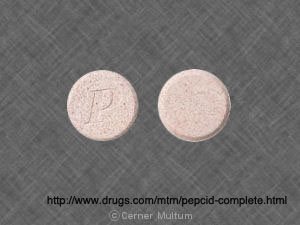
Pepcid—the brand name of Famotidine—is used to treat ulcers (sores located on the lining of the small intestine or stomach); GERD (gastroesophageal reflux disease, a condition where a backward flow of acid from the stomach yields heartburn and damage to the esophagus; and acid reflux disease. Pepcid is available in both prescription and over-the-counter form—the OTC version is used to treat and prevent heartburn due to sour stomach and indigestion. Pepcid belongs to a class of medications called H2 Blockers. The drug is effective by decreasing the amount of acid in the stomach.
Pepcid Side Effects:
Pepcid side effects may occur regardless of dosage strengths or adherence to intake instructions. Please inform your doctor if you experience any of the following Pepcid side effects:
• Common Pepcid Side Effects Include: diarrhea; fussiness (mostly experienced by babies); constipation; dizziness; and headache.
Some Pepcid side effects are classified as serious. The following Pepcid side effects are rare and require immediate medical attention if experienced:
• Serious Pepcid Side Effects Include: skin rash; hives; hoarseness; difficulty swallowing or breathing; swelling of the throat, face, tongue, lips, eyes, hands, feet or lower legs; and itching.
Other Pepcid side effects may present themselves. Please contact your doctor if you notice any unusual reactions or symptoms while taking the drug. If you experience particularly bothersome Paxil side effects, you or doctor may file a report with the United States Food and Drug Administration’s MedWatch Adverse Event Reporting program at https://www.fda.gov/Safety/MedWatch or via phone at 1-800-332-1088.
Pepcid side effects are regarded as marginal when compared to other prescription medications. These relatively weak side effects are reflected in the drug’s over-the-counter status—even large dosages of Pepcid may be procured without prescription.
Once a prescription medication, Pepcid is now available in many forms as an over-the-counter medication; the drug is universally considered safe for the treatment of heartburn. This alteration was affirmed in 1995 when the FDA concluded that there were no serious potential Pepcid side effects. That being said a Pepcid dosage greater than 20 mg still requires a prescription. The only precaution announced by the FDA concerning Pepcid side effects, was a report that found prolonged QT intervals in patients with impaired renal functions.
Pepcid Lawsuits:
Because of the lack of side effects, history concerning Pepcid lawsuits is somewhat limited—the drug simply does not pose a significant threat to its users. That being said, a few prominent Pepcid lawsuits have been filed concerning fraudulent selling.
The most notable Pepcid lawsuit was filed in a New Orleans court in 1999. This Pepcid lawsuit was filed by a doctor who alleged that manufacturer Merck was fraudulent in selling vast quantities of Pepcid to hospitals at a discounted price, while still charging Medicaid participants full freight. The Pepcid lawsuit was not settled until 2008.
As part of the Pepcid lawsuit, the doctor produced documentation of severe Pepcid side effects in elderly patients. His Pepcid lawsuit alleged that the drug was substituted without his knowledge to elderly patients--use of Pepcid among the elderly increases the risk of Kidney damage.
However, aside from this notable Pepcid lawsuit, the medication has not been the target of much litigation. As an over the counter medication, the primary Pepcid side effects concern allergic reactions; patients aware of acid reducer allergies should not take Pepcid. Those individuals susceptible to skin swells, rashes or respiratory problems should seek immediate treatment for these Pepcid side effects.
Treatment with any Pepcid dosage should not exceed 14 days. Patients who continue experiencing heartburn or similar conditions past three months should seek medical advice to determine the underlying causes of their symptoms. Exceeding the recommended ingestion of more than two pills containing a Pepcid dosage within 24 hours carries the risk of overdose.
In several instances, batches of Pepcid have been recalled due to manufacturing defects—no significant Pepcid lawsuits resulted from faulty manufacturing.
Because side effects are relatively mild, precedents concerning Pepcid lawsuits are nonexistent. That being said, if you sustain an injury or develop a medical condition because of use, you have the right to contact a legal professional to discuss the potential for a Pepcid lawsuit.
Sources:
1. United States National Library of Medicine “Famotidine” retrieved from:
https://www.ncbi.nlm.nih.gov/pubmedhealth/PMH0000872/
2. https://www.fda.gov/Safety/MedWatch/SafetyInformation/SafetyAlertsforHumanMedicalProducts/ucm173879.html
3. https://www.fda.gov/Safety/MedWatch/SafetyInformation/SafetyAlertsforHumanMedicalProducts/ucm172569.html
4. https://www.fda.gov/Safety/MedWatch/SafetyInformation/ucm207452.html