Pergolide Permax Lawsuit
📅 2026 Update: Recent Developments in Product Liability Lawsuits
Since the original article on the Pergolide Permax lawsuit was published, there have been significant updates in the realm of product liability lawsuits involving drugs. New lawsuits and settlements have emerged, indicating ongoing legal battles over drug safety and manufacturer accountability. The earlier article continues further down the page, providing foundational information on this topic.
🏥 Ozempic Lawsuits Consolidation
As of June 2026, 3,763 lawsuits claiming that Ozempic and related drugs cause severe gastrointestinal injuries and vision loss have been consolidated in federal court in Pennsylvania. This significant move indicates the growing concerns over the safety of GLP-1 receptor agonists. Patients alleging injuries must file individual lawsuits within this multidistrict litigation (MDL).
💼 Gardasil Lawsuit Settlement
In June 2026, Merck agreed to pay over $50 million to settle more than 200 Gardasil-related cases. This settlement includes claims that were previously dismissed in North Carolina and a long-running case in Los Angeles. This resolution reflects the ongoing issues surrounding vaccine safety and manufacturer responsibility.
🧠 Depo-Provera Lawsuit Growth
By June 2026, the multidistrict litigation involving Depo-Provera had expanded to over 5,500 cases. Plaintiffs allege a connection between the contraceptive and brain tumors. This surge indicates a significant rise in claims against the drug, highlighting concerns over its long-term effects.
⚖️ Strive Pharmacy Antitrust Lawsuit
In January 2026, Strive Specialties Inc. filed an antitrust complaint against Eli Lilly and Novo Nordisk. The company accuses these pharmaceutical giants of working to suppress competition in the GLP-1 weight-loss drug market. This lawsuit may have implications for market practices and consumer choice.
📌 Key Points
- Ozempic lawsuits consolidated with 3,763 claims in Pennsylvania.
- Gardasil settlement of over $50 million reached.
- Depo-Provera MDL grows to 5,500+ cases alleging brain tumors.
- Antitrust lawsuit filed against Eli Lilly and Novo Nordisk.
- Vanda Pharmaceuticals challenges the FDA regarding its drug Hetlioz.
💡 Tips for Understanding Drug Liability Claims
Review the details of your situation with your attorney to ensure you understand your legal options and rights.
📝 Understand Eligibility Requirements
Make sure you know if you are eligible to file a lawsuit. For instance, individuals who experienced severe gastrointestinal injuries or vision loss after taking Ozempic may qualify for claims. Similarly, if you were diagnosed with brain tumors after using Depo-Provera, you could be eligible.
⏳ Be Aware of Deadlines
Filing deadlines are crucial in product liability cases. The first Depo-Provera lawsuit was filed on October 1, 2024, and subsequent filings need to adhere to applicable statutes of limitations. Missing a deadline may result in losing the right to file a claim.
📄 Gather Documentation
Collect all relevant medical records and prescriptions. Documentation supports claims and helps establish the connection between the drug and any health issues. This information is vital for your case.
🔍 Stay Informed on Ongoing Cases
Keep up with developments in lawsuits similar to yours. For example, the Ozempic MDL has not yet seen any trials as of June 2026, but bellwether trials are anticipated. Understanding these trends can inform your approach.
🚨 Report Adverse Effects
If you experience adverse effects from a medication, report them to the FDA. This helps track safety issues and could influence future legal actions. Your report adds to the data regarding drug safety.
🏆 Free Options Ranked by User Reviews (2026)
No national paid service in this area met the review threshold, so this section lists free government and nonprofit resources that may assist individuals dealing with product liability claims.
🥇 1. FDA’s Role
The FDA provides essential information on drug safety and adverse events. Individuals can access resources that explain the risks associated with medications. This is a valuable tool for anyone considering legal action based on pharmaceutical injuries.
🥈 2. Legal Aid Organizations
Nonprofit organizations may offer free legal assistance to individuals pursuing product liability claims. These groups help those who cannot afford legal representation, ensuring everyone has access to justice in cases involving defective products.
🥉 3. Consumer Protection Agencies
Consumer protection agencies provide resources on product safety and legal rights. They may assist individuals in filing complaints about harmful products. These agencies work to uphold consumer rights and ensure fair practices.
4️⃣ State Health Departments
State health departments often have resources related to drug safety and public health. They provide information on reporting adverse drug reactions and may have programs to help individuals affected by harmful medications.
5️⃣ Advocacy Groups
Various advocacy groups focus on specific health issues related to pharmaceuticals. They can offer support and information to those seeking to file claims against drug manufacturers. These organizations often have resources tailored to specific conditions.
🔎 What to Check Before Paying for Help
- 🔍 Verify the organization’s credentials.
- 📄 Look for reviews and testimonials from past users.
- ⚖️ Check for any fees or hidden costs.
- 🗣️ Ensure they have experience with product liability cases.
- 📞 Confirm their availability for assistance.
❓ Frequently Asked Questions
❓ What are the main claims in the Ozempic lawsuits?
Patients are primarily alleging that Ozempic and similar drugs cause severe gastrointestinal injuries and vision loss due to inadequate warnings from the manufacturers.
📅 When was the first Depo-Provera lawsuit filed?
The first lawsuit regarding the potential link between Depo-Provera and brain tumors was filed on October 1, 2024, in the U.S. District Court for the Northern District of California.
🔗 How can I report an adverse reaction to a drug?
You can report adverse reactions to the FDA through their website or by contacting them directly. This helps track medication safety and can influence future legal actions.
📈 What is the status of the Ozempic MDL?
As of June 2026, no trials have occurred in the Ozempic MDL, but bellwether trials are expected to start in late 2026 or early 2027.
🧾 How can legal aid organizations assist me?
Legal aid organizations can provide free legal representation and guidance for individuals pursuing product liability claims, especially for those who cannot afford an attorney.
📆 What are the implications of the Gardasil settlement?
The Gardasil settlement of over $50 million may impact future vaccine liability cases, highlighting the importance of manufacturer accountability in vaccine safety.
⚖️ Recent Cases Related to Drug Liability
Recent court rulings show the ongoing legal landscape surrounding product liability claims, especially in the pharmaceutical sector. The outcomes of these cases can influence future litigation and regulations.
- Puerto Rico court rules on retirement system lawsuitTribunal De Apelaciones De Puerto Rico/Court of Appeals of Puerto Rico · May 21, 2026
- Puerto Rico court rules on traffic accident liability caseTribunal De Apelaciones De Puerto Rico/Court of Appeals of Puerto Rico · May 11, 2026
- Puerto Rico court rules on retirement fund lawsuit claimsTribunal De Apelaciones De Puerto Rico/Court of Appeals of Puerto Rico · May 6, 2026
- Puerto Rico court rules on retirement system lawsuit appealTribunal De Apelaciones De Puerto Rico/Court of Appeals of Puerto Rico · May 6, 2026
Feel free to browse more rulings on the news page for recent updates and developments related to drug liability cases.
End of October 2026 Update
A Brief Guide to Filing a Pergolide Permax Lawsuit:
What is Pergolide Permax?
More commonly known as Permax, Pergolide Permax is no longer available in the United States. Pergolide Permax belongs to a group of drugs known as ergot alkaloids; it is used in conjunction with carbidopa and levodopa to treat people with Parkinson’s disease. Pergolide Permax worked by stimulating certain areas of the central nervous system that are commonly diminished by Parkinson’s.
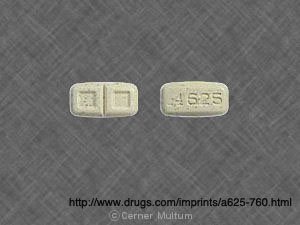
Pergolide Permax FDA Regulations:
The FDA, in 2007, notified consumers and medical professionals that companies manufacturing Pergolide Permax agreed to withdraw the medication from the market because of its propensity to damage heart valves.
Pergolide Permax, before being recalled, was only available via doctor’s prescription. The drug was ultimately recalled from U.S. markets by the FDA because it posed a significant risk of heart valve damage. Studies showed that patients with Parkinson’s who were treated with Pergolide Permax faced an increased risk of serious damage to their valves when compared to patients who were not administered the drug.
Pergolide Permax Lawsuits:
Following increasing warnings concerning a risk of a heart condition known as valvulopathy, Pergolide Permax was voluntarily withdrawn from the American marketplace in 2007.
Because of its associated side effects—particularly its propensity to damage heart valves—a number of Pergolide Permax lawsuits were filed in the early to middle 2000’s. A number of these Pergolide Permax lawsuits were filed before the FDA required the drug’s manufacturer to institute a boxed warning reflecting the risk of heart valve damage in 2006.
That being said, because the drug was removed from the marketplace in 2007, the ability to pursuit a Pergolide Permax lawsuit, at this point, is unlikely. Aside from your state’s statute of limitations, impediments to filing Pergolide Permax lawsuits include a full disbursement of funds for patients who suffered as a result of Pergolide Permax use.
Pergolide Permax lawsuits were filed by patients who were administered the drug and as a result, experienced severe side effects. The bulk of Pergolide Permax lawsuits were filed because of the aforementioned heart valve issue. Those who suffered as a result of Pergolide Permax use were compensated through the disbursement of funds. Settlements offered in Pergolide Permax lawsuits were used to offset the costs associated with the reaction, including medical expenses, lost wages and pain and suffering.
Pergolide Permax was originally approved for use in 1989. During its introductory year the FDA did not issue any warnings concerning the aforementioned side effects. However, in 2003 the FDA responded to reports of severe Pergolide Permax side effects in the form of valvulopathy—a thickening of the heart valves.
In 2006, increasing reports of these serious Pergolide Permax side effects prompted the FDA to reconsider their previous warning. For example, a 2005 Mayo Clinic study noted 11% of subjects experienced valve damage—a significant number when compared to similar medications.
That year, the FDA issued a "black box warning" to reflect the increased risk of this condition. In general, an updated FDA warning indicates manufacturer negligence; such an action would have resulted in Pergolide Permax lawsuits for users who were not sufficiently warned of this risk.
Sources:
1.https://www.fda.gov/Drugs/DrugSafety/PostmarketDrugSafetyInformationforPatientsandProviders/
DrugSafetyInformationforHeathcareProfessionals/PublicHealthAdvisories/ucm051285.html
2. https://www.fda.gov/Safety/MedWatch/SafetyInformation/SafetyAlertsforHumanMedicalProducts/ucm153337.html
3.https://www.fda.gov/Drugs/DrugSafety/PostmarketDrugSafetyInformationforPatientsandProviders/ucm143341.html