Prempro Lawsuit
📅 2026 Update: Recent Developments in Prempro and Related Lawsuits
Since the original article on Prempro was published, significant changes have occurred in the landscape of product liability lawsuits involving pharmaceuticals. New cases have emerged, and some existing lawsuits have progressed, which could impact individuals affected by these drugs. The original article continues further down the page, providing foundational information on this topic.
📈 New Ozempic Lawsuits Consolidated
As of June 2026, there are 3,763 lawsuits related to Ozempic and similar drugs in federal court in Pennsylvania. These lawsuits allege that Ozempic causes severe gastrointestinal injuries and vision loss. This consolidation indicates a growing concern over the safety of GLP-1 receptor agonist drugs, which may affect those considering or currently using these medications.
- 🏥 What to Know: Patients who have experienced serious side effects may be eligible to file claims as part of this litigation.
⚖️ Gardasil Lawsuit Settlement
In June 2026, Merck reached a settlement exceeding $50 million to resolve over 200 Gardasil-related cases. This settlement covered cases that had been dismissed in North Carolina and a long-running state court case in Los Angeles.
- 💰 Key Takeaway: The settlement reflects ongoing legal challenges concerning the safety and efficacy of Gardasil.
📊 Growth of Depo-Provera Lawsuits
The number of lawsuits involving Depo-Provera has surged to over 5,500 cases by June 2026. These lawsuits allege a link between the contraceptive and brain tumors, indicating significant concerns about its safety.
- 🧠 Important Insight: Individuals diagnosed with brain tumors after using Depo-Provera may also be eligible to file claims.
📉 Ozempic MDL Progress
No trials have yet begun in the Ozempic multidistrict litigation as of June 2026. Bellwether trials are anticipated to start in late 2026 or early 2027, which will help set the tone for future cases.
- ⏳ Current Status: The lack of trials means that claims are still in the preliminary stages of processing.
📌 Key Points Summary
- 🔍 Ozempic lawsuits consolidated with 3,763 cases in Pennsylvania.
- ⚖️ Gardasil settlement reached over $50 million for 200+ cases.
- 📈 Depo-Provera litigation has grown to over 5,500 cases.
- ⏳ Ozempic MDL awaits trials, expected in late 2026 or early 2027.
💡 Tips for Navigating Product Liability Lawsuits
Review the details of your specific situation with your attorney.
📝 Understand Eligibility Criteria
Check if you qualify for lawsuits involving drugs like Ozempic or Depo-Provera. Those with severe gastrointestinal injuries or vision loss from Ozempic, or brain tumors from Depo-Provera, may be eligible.
📅 Be Aware of Filing Deadlines
Filing deadlines can vary based on state laws. The first Depo-Provera lawsuit was filed on October 1, 2024, so subsequent claims must adhere to statutes of limitations.
📊 Keep Track of MDL Developments
Stay informed about the progress of multidistrict litigations (MDLs). For instance, the Ozempic MDL has no trials yet, but updates could affect your case.
🏛️ Utilize Government Resources
The FDA offers information on drug safety and adverse events. This can be useful for understanding potential risks associated with medications.
🤝 Seek Free Legal Help
Consider reaching out to nonprofit organizations that may provide free legal assistance for product liability claims. This can help reduce legal costs while pursuing your case.
🏆 Free Options Ranked by User Reviews (2026)
No paid national services met the review threshold for this topic. Instead, this section highlights free government and nonprofit resources available for individuals seeking assistance with product liability claims.
🥇 1. FDA
The FDA provides essential information on drug safety and adverse events. They help individuals understand the potential risks associated with medications, which can be crucial for those affected by pharmaceutical injuries.
- 📄 Who It Helps: Patients seeking clarity on drug safety can find valuable resources through the FDA.
🥈 2. Legal Aid Organizations
Various nonprofit organizations offer free legal assistance to individuals pursuing product liability claims. These organizations can connect individuals with legal experts who specialize in pharmaceutical injury cases.
- 🏢 Who It Helps: Those unable to afford legal fees can access support to navigate their claims against pharmaceutical companies.
🥉 3. Consumer Advocacy Groups
Consumer advocacy groups work to protect the rights of individuals affected by unsafe products. They provide resources and information to help people understand their legal options.
- 🗣️ Who It Helps: Individuals seeking to raise awareness about drug safety and potential injuries can benefit from their advocacy efforts.
🔎 What to Check Before Paying for Help
- 🧐 Verify credentials of those offering assistance.
- 📖 Read reviews from other users regarding their experiences.
- 📅 Understand fees and what services are included.
- 📝 Check the organization’s mission and focus areas.
❓ Frequently Asked Questions
❓ What types of claims are being made against Ozempic?
Claims allege that Ozempic causes severe gastrointestinal injuries and vision loss. Patients may be eligible to file individual lawsuits as part of the ongoing multidistrict litigation.
🔍 How do I know if I qualify for a lawsuit?
Eligibility typically includes suffering from specific medical conditions after using the drug in question. For instance, individuals with severe gastrointestinal injuries or vision loss from Ozempic may qualify.
📅 What is the status of the Depo-Provera lawsuits?
As of June 2026, the Depo-Provera multidistrict litigation has grown to over 5,500 cases, focusing on claims linking the contraceptive to brain tumors.
🏛️ Where can I find more information about drug safety?
The FDA offers comprehensive information on drug safety and adverse events, which can be helpful for individuals concerned about the safety of medications they have taken.
💰 What should I know about legal fees for product liability claims?
Legal fees can vary widely based on the complexity of the case. Many nonprofit organizations offer free legal assistance, which can help those unable to afford traditional legal services.
📆 Are there deadlines for filing lawsuits?
Yes, there are deadlines based on state laws and the specific circumstances of each case. It’s important to be aware of the statutes of limitations that apply to your situation.
⚖️ Recent Court Cases Related to Product Liability
Recent court rulings have influenced the landscape of product liability lawsuits, particularly those related to pharmaceuticals. These cases provide insight into the legal system's approach to claims involving drugs like Prempro and its counterparts.
- Colorado Supreme Court upholds strict liability in hit-and-run caseSupreme Court of Colorado · August 17, 2026
- Court affirms FDA's authority limits on cigarette warningsCourt of Appeals for the Fifth Circuit · August 18, 2026
- Court upholds NTSB decision in James Knight drug caseCourt of Appeals for the D.C. Circuit · August 18, 2026
- Texas court rules on work product privilege in mandamus caseTexas Court of Appeals, 1st District (Houston) · August 13, 2026
Explore more recent rulings in our news section.
End of October 2026 Update
A Brief Guide to Filing a Prempro Lawsuit:
What is Prempro?
Prempro is a prescription medication that alleviates certain conditions and symptoms of menopause. Prempro is the brand name for an oral medication containing medroxyprogesterone acetate and estrogen. It is administered to women who experience severe menopause symptoms including dizziness or hot flashes. Prempro may also be administered to patients with vaginal atrophy and osteoporosis. Despite the drug’s effectiveness with regards to increasing estrogen levels, Prempro poses significant side effects.
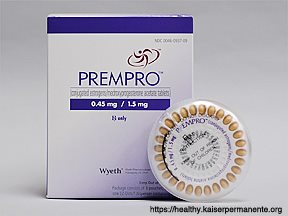
Prempro Side Effects:
The most common Prempro side effects include back or abdominal pain; headaches; increased incidences of bacterial infections; pharyngitis; nausea; breast tenderness or pain; and itching. According to various studies conducted by the United States Food and Drug Administration, these Prempro side effects occur in roughly 10-30% of users.
Moreover, according to various reports issued by the Mayo Clinic, using prempro in conjunction with other medications such as isotretinoin (acne medication), felbamate, theophylline (lung disease medication) and.or paclitaxel (chemotherapy drug) increases the risk of Prempro side effects.
Similar to other estrogen supplements, Prempro increases the patient’s risk of developing blood clots, stroke, heart attacks, dementia and the development of estrogen-dependent tumors like endometrial or breast cancers. Additionally, Prempro side effects also include loss of vision, increased blood calcium levels and gallbladder disease.
Because of these side effects, Prempro is not safe for use during pregnancy. If a prospective user has a history of diabetes, epilepsy, asthma, heart problems, lupus, benign liver tumors, kidney disease, blood clots, gallstones, pancreatitis, or vision loss, it is not safe to consume Prempro.
Prempro FDA:
In January of 2003, the FDA and Wyeth (Prempro’s manufacturer) revised the prescribing information to include boxed warnings to aptly reflect that estrogens and estrogens combined with progestin therapies should not be applied for the prevention of cardiovascular disease. This FDA warning includes risk information from the Women’s Health Initiative study, which reported increased risks of stroke, myocardial infarction, pulmonary emboil, invasive breast cancer and deep vein thrombosis in postmenopausal women during a 5-year conjugated equine estrogen treatment plan. Because of these Prempro side effects, estrogens should be prescribed at the lowest effective dosage levels and for the shortest duration possible.
Prempro Lawsuits:
Due to the aforementioned side effects, Pfizer—the drug’s manufacturer—has faced a whirlwind of Prempro lawsuits. The bulk of these Prempro lawsuits allege that use of the drug caused breast cancer.
To elaborate, the Women's Health Initiative in 2002, released a report stating that Prempro side effects included an increased risk of heart attacks, strokes, clots and breast cancer. These disclosures both decreased drug sales and increased the number of women seeking a Prempro lawsuit.
Prempro lawsuits stem from the drug’s chemical makeup; Prempro combines Premarin with progestin—a combination that results in an increased risk of breast cancer. A swarm of Prempro lawsuits were filed in response to the Women’s Health Initiative Report. The number of plaintiffs seeking Prempro lawsuits escalated at roughly 10,000. A large percentage of these Prempro lawsuits; however, were dismissed before reaching formal trial.
The first noteworthy Prempro lawsuit took place in April 2006. Prior to this period, no Prempro lawsuit had come to trial. Although this Prempro lawsuit was ultimately dismissed, the second litigation effort resulted in a $1.5 million settlement for a woman whose Prempro side effects included the development of breast cancer. The number of Prempro lawsuits exponentially grew in the subsequent years, as more and more users were developing breast cancer.
In 2007, a $134.1 million Prempro settlement was awarded to three Nevada women who developed breast cancer. In 2009, in response to similar Prempro lawsuits, the FDA added a warning to elaborate the risks associated with breast cancer.
In 2011, it was reported that the first large-scale Prempro lawsuit was disbursed by Pfizer. Reports stated that roughly 2,200 Prempro lawsuits resulted in a Prempro settlement for the plaintiff. By 2012, it was reported that the company had paid $896 million as remuneration in Prempro lawsuits.
At this time, Pfizer estimates that it has resolved two-thirds of its Prempro lawsuits. It is not known how many cases were dropped before trial or how many plaintiffs received out-of-court compensation; however, a 2009 study published in The Lancet indicated that Prempro side effects might include the development of lung cancer. If further studies determine that this is the case, it is possible that more people will pursue a Prempro lawsuit.
Initially, many cases seeking compensation for Prempro side effects were handled in in an Arkansas federal court as part of consolidated multidistrict litigation.
Sources:
1. https://www.fda.gov/Safety/MedWatch/SafetyInformation/SafetyAlertsforHumanMedicalProducts/ucm153358.html
2. https://www.fda.gov/Safety/MedWatch/SafetyInformation/Safety-RelatedDrugLabelingChanges/ucm116295.html