Warning for Consumers of Trader Joe’s Peanut Butter
📅 2026 Update: Recent Warnings and Safety Standards
Since the original article was published, there have been important developments related to product safety and consumer warnings. These changes are particularly relevant for those concerned about the safety of products like Trader Joe's peanut butter. The earlier article continues further down the page, providing foundational information on product liability and safety.
⚠️ FDA Warnings on SimplyThick for Infants
In 2024, the FDA issued a warning about SimplyThick, a thickening agent for infants. The warning highlighted potential risks of necrotizing enterocolitis (NEC) in premature infants. This serves as a reminder of the ongoing safety concerns regarding products used by vulnerable populations.
👶 New Safety Standards for Infant Swings
The Consumer Product Safety Commission (CPSC) set new federal safety standards for infant swings in 2025. These standards aim to reduce the risk of injury and enhance safety for infants. Consumers are encouraged to check if their products meet these updated safety requirements.
🍑 FDA Warning on Imported Mangoes
In 2024, the FDA warned about mangoes imported from Agricola Daniella due to potential contamination with Salmonella Braenderup. This warning underscores the importance of food safety and the vigilance needed from consumers when purchasing imported products.
📞 Reporting Unsafe Products
Consumers can report unsafe products through the CPSC online form or by calling their hotline at 1-800-638-2772. Reporting helps prevent injuries and ensures that safety concerns are addressed promptly.
📑 Understanding Product Liability Claims
Eligibility for product liability claims depends on several factors, including the type of defect and the injury sustained. It's crucial for consumers to understand the statute of limitations, which varies by state, typically ranging from 1 to 6 years.
📌 Key Points to Remember
- ⚠️ SimplyThick has ongoing safety concerns for infants.
- 👶 New standards enhance safety for infant swings.
- 🍑 FDA warned about mangoes potentially contaminated with Salmonella.
- 📞 Consumers can report unsafe products to the CPSC.
- 📑 Understanding product liability claims is essential for consumers.
💡 Tips for Consumer Safety and Product Liability
Review the details of your particular situation with an attorney.
🛡️ Understand FDA Warnings
Stay informed about FDA warnings related to products, especially food and infant care items. These warnings can indicate serious health risks and should not be ignored.
📦 Check Product Recalls
Regularly check the CPSC's online database for updated information on recalled products. Knowing whether a product you own is recalled can help you avoid potential hazards.
🔍 Report Any Issues
If you encounter a defective product, report it to the CPSC. Your report can protect other consumers and lead to necessary actions regarding safety.
⚖️ Know the Statute of Limitations
Be aware of the statute of limitations for filing a product liability claim in your state. Acting promptly is crucial to ensure that your claim is valid.
📞 Use Available Resources
Utilize free resources like the CPSC Hotline and the FDA Consumer Complaint Coordinator for assistance with product safety concerns. These resources can provide guidance and help you navigate safety issues.
🏆 Free Options Ranked by User Reviews (2026)
No national paid service in this area met the review threshold. Therefore, this section lists free government and nonprofit resources relevant to product safety and liability.
🥇 1. CPSC Hotline
The CPSC Hotline offers free assistance to consumers with product safety concerns. By calling 1-800-638-2772, consumers can report unsafe products, ask questions, and get information about recalls. This resource is vital for anyone wanting to ensure their products are safe.
🥈 2. FDA Consumer Complaint Coordinator
Each state has an FDA Consumer Complaint Coordinator who helps consumers with product safety issues. They provide guidance on how to report problems and can assist in navigating FDA concerns. This service is essential for addressing safety issues effectively.
🥉 3. CPSC Recall Database
The CPSC maintains an online database of recalled products. Consumers can search this database to stay informed about potential hazards linked to products they own. This proactive approach can prevent injuries and safety incidents.
4️⃣ Public Citizen
Public Citizen is a nonprofit organization that advocates for consumer safety. They offer resources and information on defective products and unsafe practices. Consumers affected by product issues can benefit from their advocacy and educational materials.
5️⃣ FDA Consumer Updates
The FDA provides consumer updates on various topics, including product recalls and safety warnings. These updates help keep the public informed about potential health risks. Staying informed through these updates is crucial for consumer safety.
🔎 What to Check Before Paying for Help
- 🛡️ Verify the credentials of any service provider.
- 📄 Look for reviews and ratings from other consumers.
- 💼 Ensure they specialize in product liability cases.
- 📞 Confirm if they offer free consultations.
- 📜 Check for any hidden fees or costs.
❓ Frequently Asked Questions
🛑 What should I do if I suspect a product is unsafe?
If you suspect a product is unsafe, report it to the CPSC through their hotline or online form. Taking action helps protect others from potential harm.
📅 How long do I have to file a product liability claim?
The time frame to file a product liability claim varies by state. Generally, it ranges from 1 to 6 years from the date of injury or discovery of the defect.
🍼 Are there specific warnings for infant products?
Yes, the FDA and CPSC frequently issue warnings regarding infant products. It's crucial to stay updated on these warnings to ensure the safety of infants.
📦 How can I find out if a product is recalled?
You can check the CPSC's online recall database for information about recalled products. This resource is important for consumers wanting to stay safe.
🏛️ Where can I report unsafe food products?
Unsafe food products can be reported to the FDA through their Consumer Complaint Coordinator. This helps the FDA monitor safety issues effectively.
📞 What resources are available for legal assistance?
Consumers can access free resources from organizations like Public Citizen for guidance on defective products and product liability claims.
⚖️ Recent Cases Related to Product Liability
Recent court rulings have highlighted ongoing issues with product safety and liability claims. These cases shed light on consumer rights and the responsibilities of manufacturers in ensuring product safety.
- Indiana Court of Appeals overturns drug convictions in Vance caseIndiana Court of Appeals · May 27, 2026
- Court affirms dismissal of Vicki Britt's lawsuit against Wake CountyCourt of Appeals of North Carolina · May 20, 2026
- Ohio Court Affirms Dismissal of Lawsuit Over Gas ExplosionOhio Court of Appeals · May 21, 2026
- Court Upholds Dismissal of Bus Accident Lawsuit in NYAppellate Division of the Supreme Court of the State of New York · May 20, 2026
You can browse more recent rulings in the news section by following more rulings on the news page.
End of October 2026 Update
The FDA has warned consumers not to eat a brand of peanut butter called Trader Joe’s Valencia Creamy Peanut Butter (with sea salt). The announcement was released by the FDA on September 22, 2012, and the brand is found at Trader Joe’s stores.
The government is recalling the brand of peanut butter because of a possible outbreak of salmonella. The Centers of Disease Control and Prevention (CDC) state that young children under the age of 5, elderly adults, and those with weak immune systems need to avoid the peanut butter. Adults should not consume peanut butter either.
Consumers need to discard any unused or used jars of peanut butter, and Trader Joe’s has announced that costumers can return the product for a full refund.
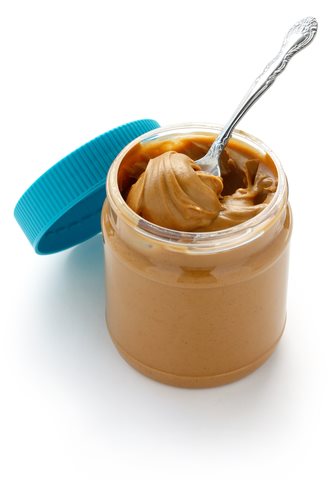
The CDC currently reports that 29 people have been infected with Salmonella Bredeney across 18 different states because of the peanut butter. After a quick investigation, Trader Joe’s agreed to pull the product form their selves, but consumers still warned about purchases over the internet.
The common symptoms of salmonella usually appear about 12 to 72 hours after the infection and include diarrhea, fever, and abdominal cramps. Healthy adults will usually remain sick for about 4 to 7 days and then fully recover.
If you believe you have salmonella, you need to contact your local healthcare provider right away. If left untreated, salmonella can spread to the intestines, blood stream, and other parts of the body—eventually leading to death. The FDA estimates that about 400 persons die every year because of salmonellosis.
If you have questions about the Trader Joe’s product or questions about food safety, you can contact the FDA at 1-888-SAFEFOOD. You can also visit the website at fda.gov.
Source: Food and Drug Administration