Serzone Lawsuit
📅 2026 Update: Changes in Lawsuits Related to Pharmaceuticals
Since the original article was published, there have been significant developments in lawsuits concerning pharmaceuticals. These changes affect various drugs and their associated legal challenges, especially in product liability cases. The following sections highlight key updates that are relevant to the topic of lawsuits and defective products.
🚨 Recent Lawsuit Consolidations
As of June 2026, over 3,763 lawsuits regarding Ozempic and related GLP-1 receptor agonist drugs have been consolidated in federal court in Pennsylvania. These lawsuits allege that these drugs cause severe gastrointestinal injuries and vision loss. This consolidation is crucial for streamlining the legal process for affected individuals.
- ⚖️ Significant Legal Activity: Consolidation can lead to more efficient trials and resolutions for claimants.
💰 Gardasil Settlement
In June 2026, Merck agreed to pay over $50 million to settle more than 200 Gardasil-related cases. This settlement includes cases that were previously dismissed, showing the ongoing impact of product liability claims on major pharmaceutical companies.
- 📈 Legal Precedent: This settlement could influence future cases related to vaccine liability.
📈 Growth of Depo-Provera Lawsuits
The number of lawsuits in the Depo-Provera multidistrict litigation has surged to over 5,500 cases by June 2026. These lawsuits claim a link between the contraceptive and brain tumors, demonstrating the increasing scrutiny of pharmaceutical products.
- 🔍 Ongoing Investigations: The growth in cases highlights the rising concerns about the safety of contraceptive methods.
⚖️ Antitrust Actions in Pharmaceuticals
On January 14, 2026, Strive Specialties Inc. filed a federal antitrust complaint against Eli Lilly and Novo Nordisk. The complaint accuses these companies of suppressing competition in the GLP-1 weight-loss drug market. This case may have broader implications for product availability and pricing in the pharmaceutical industry.
- 💼 Industry Impact: Antitrust cases can reshape market dynamics, affecting both consumers and healthcare providers.
📅 Upcoming Trials for Ozempic
As of June 2026, no trials for the Ozempic lawsuits have taken place yet. However, bellwether trials are expected to start in late 2026 or early 2027. This could provide a clearer path for future litigation and resolutions.
- 🗓️ Anticipated Outcomes: The outcomes of these trials may set important precedents for similar lawsuits.
📌 Key Points to Remember
- 🚨 Over 3,763 Ozempic lawsuits consolidated in Pennsylvania.
- 💰 Gardasil settlement exceeds $50 million.
- 📈 Depo-Provera lawsuits exceed 5,500 cases.
- ⚖️ Strive files antitrust complaint against major drug companies.
- 📅 Ozempic trials may begin late 2026 to early 2027.
💡 Tips for Understanding Pharmaceutical Lawsuits
Review your specific situation carefully with your attorney.
🔍 Understand Eligibility
Individuals who suffered severe gastrointestinal injuries or vision loss after using Ozempic may be eligible to file a lawsuit. It's important to gather medical records that support these claims.
📅 Meet Filing Deadlines
The first Depo-Provera lawsuit was filed on October 1, 2024. Subsequent lawsuits must adhere to applicable statutes of limitations, meaning timely action is crucial.
👩⚕️ Document Your Experience
Keep detailed records of any side effects experienced after taking medications like Ozempic or Depo-Provera. This documentation can be vital for your case.
📞 Seek Informational Resources
The FDA provides information on drug safety and adverse events. This can help individuals understand the risks associated with their medications.
🤝 Explore Nonprofit Support
Legal aid organizations may provide free assistance to those pursuing product liability claims. Research local resources that can help with your case.
🆓 Utilize Public Resources
Many government resources offer information on pharmaceutical injuries. Familiarize yourself with these options to enhance your understanding of potential claims.
🏆 Free Options Ranked by User Reviews (2026)
No paid national services qualified for this topic based on user reviews. This section focuses on free government and nonprofit resources that assist individuals dealing with pharmaceutical-related issues.
🥇 1. FDA
The FDA offers comprehensive information on drug safety and adverse events. They also provide guidance on reporting issues related to pharmaceuticals, which can be beneficial for individuals pursuing claims.
- 📖 Safety Information: The FDA’s resources help individuals understand the risks associated with specific medications.
- 📞 Reporting Issues: Patients can report side effects, which may contribute to broader safety evaluations.
🥈 2. Legal Aid Organizations
Nonprofit organizations provide free legal assistance to individuals who may have valid claims against pharmaceutical companies. They help navigate the complexities of product liability claims.
- 🎓 Education and Guidance: These organizations often offer workshops and resources to educate individuals about their rights.
- 🤝 Personalized Assistance: Individuals can receive help with filing claims and understanding their legal options.
🥉 3. State Health Departments
Many state health departments provide information on drug safety and health risks. They can assist individuals in understanding the implications of taking specific medications.
- 📊 Public Health Data: State health departments often publish reports on drug safety and adverse events.
- 🆘 Support Resources: They may connect individuals with local support services and resources.
4️⃣ National Institutes of Health (NIH)
The NIH offers a wealth of information on health-related topics, including pharmaceuticals. Their resources can help individuals research specific medications and their effects.
- 🔬 Research and Studies: NIH conducts studies that provide insights into medication safety and efficacy.
- 💡 Educational Material: Their website includes guides that explain drug-related health issues.
5️⃣ Consumer Product Safety Commission (CPSC)
Although primarily focused on consumer products, the CPSC provides valuable information regarding product safety. This can be relevant for understanding the safety of drugs and medical devices.
- 📢 Safety Alerts: The CPSC issues recalls and alerts related to unsafe products, which can include pharmaceuticals.
- 📑 Reporting Mechanisms: Individuals can report unsafe products, contributing to the overall safety of consumer goods.
🔎 Things to Check Before Paying for Help
- 💰 Confirm the cost before engaging any service.
- 🔍 Research reviews and testimonials from other users.
- 📄 Ensure the service is legitimate and licensed.
- 📞 Ask about the specific help they provide for your case.
❓ Frequently Asked Questions
❓ What should I do if I experience side effects?
If you experience side effects from a medication, document them and report them to the FDA. This information may be helpful for any potential claims.
📅 How long do I have to file a lawsuit?
The time frame for filing a lawsuit varies by state and type of claim. It's essential to be aware of the applicable statutes of limitations for your case.
🤔 Can I join a class action lawsuit?
Joining a class action lawsuit may be an option if many people are affected by the same issue. However, individual circumstances can affect your eligibility.
👩⚖️ What types of damages can I claim?
In product liability cases, damages may include medical expenses, lost wages, and pain and suffering. Each case is unique, so the specific damages will depend on the situation.
🔍 How can I find a lawyer for my case?
You can look for legal aid organizations in your area that offer free assistance. They can help connect you with lawyers experienced in product liability cases.
📜 What information do I need to file a claim?
To file a claim, you will need medical records, documentation of side effects, and any evidence linking the medication to your injuries. Gathering this information is crucial for a strong case.
⚖️ Recent Cases Related to Pharmaceutical Lawsuits
Recent court rulings have highlighted ongoing issues in product liability lawsuits, especially regarding pharmaceuticals. These cases reflect the legal landscape that impacts individuals affected by defective products.
- Court rules on liability in Whelan v. Buffalo Housing AuthorityAppellate Division of the Supreme Court of the State of New York · July 24, 2026
- Court rules against Towne Ford in vicarious liability caseAppellate Division of the Supreme Court of the State of New York · July 24, 2026
- Court reinstates product liability claims in forklift accident caseAppellate Division of the Supreme Court of the State of New York · July 24, 2026
- Michigan Court of Appeals rules on jail credit, fees in drug caseMichigan Court of Appeals · July 30, 2026
Explore more recent rulings in the news section.
End of October 2026 Update
A Brief Guide to Filing a Serzone Lawsuit:
What is Serzone?
The antidepressant Serzone was voluntarily recalled from the American market by its manufacturer Bristol-Myers Squibb in 2004. Though the company insisted that this action was not taken in response to reports of serious Serzone side effects, the manuever prompted a mass class action Serzone lawsuit. Since this product has not been available in America for a long period of time, the statute of limitations concerning Serzone lawsuits has likely expired. Therefore, filing a Serzone lawsuit, at this time, is not possible.
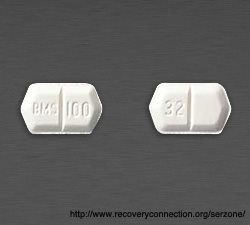
Serzone utilized Nefazodone to treat depression. This drug is an antidepressant that worked by increasing the amounts of certain substances in the brain necessary for promoting mental stability.
Serzone Lawsuit: FDA Regulations
In 2001, an FDA-mandated warning concerning potential Serzone side effects was issued in response to over 100 reports of liver damage. From 2002 to 2004, hundreds of patients filed a claim seeking a Serzone settlement; the suit was later condensed to a class action suit.
Further controversy ensued in March 2004 when the public advocacy group Public Citizen filed a Serzone lawsuit against the FDA. In its suit, the group charged that the FDA had failed to respond to cases of serious Serzone side effects, thereby endangering consumers. Shortly thereafter, the company announced that they were removing the product from the market. The FDA's Serzone lawsuit did not make it to court.
In 2005, a $70 million Serzone lawsuit, to be divided among 6,524 plaintiffs was initiated. The Serzone side effects which led to this action primarily concerned the risk of serious liver failure. However, when the results of this Serzone lawsuit were announced, approximately 2,500 patients opted out of the suit. By refraining from the class action legal settlement, plaintiffs can pursue private litigation.
That being said, aside from this class action Serzone lawsuit, there are currently no reports of significant success in obtaining additional compensation for dangerous Serzone side effects. If Serzone lawsuits resulted in a settlement, the figures were affirmed in a private/out-of-court agreement.
Following the removal of Serzone from the market, the United States Food and Drug Administration announced that it was considering filing suit against the former manufacturer, Bristol-Squib Myers. Ultimately, the FDA chose not to proceed with a Serzone lawsuit.
Serzone Side Effects:
Serzone has been studied in numerous clinical trials, whereby a group of individuals taking the drug experiences Serzone side effects and compares them to the control group (individuals who are not administered the drug. The studies revealed the following Serzone side effects:
• Headaches are common Serzone side effects experienced in up to 36 percent of patients
• Dry Mouth is experienced in up to 25 percent of patients
• Drowsiness is experienced up to 25 percent of patients
• Constipation is experienced in up to 14 percent of patients
• Weakness is experienced in up to 11 percent of patients
• Insomnia is experienced in up to 11 percent of patients
• Heartburn is experienced in up to 10 percent of patients
• Diarrhea is experienced in up to 8 percent of patients
Though the trademarked form of the medication is not available, several generic alternatives can be procured via prescription. As stated above, serious generic Serzone side effects are not likely to provide successful grounds for litigation—Serzone lawsuits concerning generic forms of medication also are attached with limited success. Patients who experienced serious Serzone side effects are unlikely to be able to pursue compensation at this point.
Serzone Lawsuits:
At the time of its removal from the U.S. market, Serzone had already been banned in Canada and Europe, due to its link to liver failure—Serzone was responsible for causing at least 20 deaths in these markets.
In addition to the Serzone lawsuits listed above, the drug’s manufacturer (Bristol-Squib Myers) has been sued over allegations that the company knew the significant risks of liver damage, liver failure and even death and proceeded to manufacture and market Serzone.
Sources:
1. https://www.fda.gov/ohrms/dockets/ac/04/briefing/4006B1_11_Serzone-Label.pdf
2. https://www.fda.gov/Safety/MedWatch/SafetyInformation/
SafetyAlertsforHumanMedicalProducts/ucm155496.htm
3. United States National Library of Medicine "Nefazodone" retrieved from:
https://www.ncbi.nlm.nih.gov/pubmedhealth/PMH0000956/