Tequin Lawsuit
📅 2026 Update: Changes in Product Liability Lawsuits
Since the original article was written, several significant developments have occurred in the landscape of product liability lawsuits related to drugs and medical devices. These changes reflect ongoing legal actions and settlements that may affect individuals with claims. The earlier article continues further down the page, providing foundational information on the topic.
🥼 Ozempic Lawsuits Consolidation
As of June 2026, there are 3,763 lawsuits filed against Ozempic and similar drugs in federal court in Pennsylvania. These lawsuits allege serious gastrointestinal injuries and vision loss linked to the use of these medications. This consolidation indicates a growing concern over the safety of GLP-1 receptor agonist drugs.
- 💔 Severe Injuries: Patients claim these drugs can lead to lasting health issues.
- ⚖️ Legal Proceedings: The cases are part of a multidistrict litigation (MDL), which streamlines the legal process.
💰 Gardasil Settlement
In June 2026, Merck reached a settlement of over $50 million to resolve more than 200 Gardasil-related cases. This settlement includes claims that were previously dismissed in North Carolina and a significant state court case in Los Angeles.
- 📉 Resolution of Claims: This settlement reflects the ongoing legal challenges surrounding the Gardasil vaccine.
- 🔒 Past Dismissals: The resolution of previously dismissed cases highlights the complexities of vaccine-related lawsuits.
🔬 Depo-Provera Lawsuit Growth
The Depo-Provera multidistrict litigation has expanded to over 5,500 cases by June 2026. Plaintiffs allege a link between the contraceptive and brain tumors, raising serious questions about the drug's safety.
- 🧠 Health Concerns: Many plaintiffs claim that the use of Depo-Provera has led to severe health issues.
- 📈 Ongoing Litigation: The growth of this litigation signifies increasing awareness and legal scrutiny of contraceptive safety.
📑 Eligibility Rules for Lawsuits
Individuals who have suffered specific injuries may be eligible to file lawsuits related to these drugs. For example, those who developed severe gastrointestinal injuries or vision loss after using Ozempic may qualify for claims. Similarly, individuals diagnosed with brain tumors after using Depo-Provera could also be eligible.
- ✅ Criteria: Understanding the eligibility requirements is crucial for potential claimants.
- ⚡ Action Steps: Individuals should assess their situations in light of these criteria.
📌 Key Points Summary
- 📈 Ozempic lawsuits have over 3,763 cases consolidated in Pennsylvania.
- 💸 Gardasil reached a $50 million settlement for over 200 cases.
- 🧠 Depo-Provera litigation has grown to over 5,500 cases alleging brain tumors.
- ✅ Eligibility rules exist for individuals filing lawsuits based on specific injuries.
💡 Tips for Navigating Product Liability Claims
Reviewing your individual circumstances with an attorney is essential before taking action regarding product liability claims.
📋 Understand Your Rights
Know your rights as a consumer. If you believe a drug or medical device has harmed you, you may have legal options to pursue.
🏥 Document Everything
Keep detailed records of your health issues, treatments, and any interactions with healthcare providers. This documentation can be crucial for building a strong case.
⏳ Be Aware of Deadlines
Lawsuits are subject to statutes of limitations. Be mindful of any deadlines that may apply to your situation when considering filing a claim.
🗣️ Join Support Groups
Consider joining support groups for individuals with similar health issues. These groups can provide valuable information and emotional support during your journey.
📞 Utilize Free Resources
Look into free government and nonprofit resources that can offer guidance and assistance related to product liability claims. These resources can help you understand your options without incurring costs.
🏆 Free Options Ranked by User Reviews (2026)
No national paid services met the review threshold for product liability assistance in this area. Therefore, this section lists free government and nonprofit resources available to individuals seeking help.
🥇 1. FDA's Role
The FDA provides essential information about drug safety and adverse events. This resource is available for individuals looking to understand the risks associated with pharmaceuticals.
- 📜 Safety Data: The FDA publishes data on drug safety, which can help patients assess potential risks.
- 👩⚕️ Adverse Events Reporting: Users can report adverse events to the FDA, contributing to a broader understanding of drug safety.
🥈 2. Legal Aid Organizations
Nonprofit legal aid organizations offer free legal assistance to individuals pursuing product liability claims. They can help navigate the complexities of filing lawsuits.
- 🤝 Supportive Services: These organizations often provide resources and support for low-income individuals.
- 📚 Legal Knowledge: They may have legal experts who can guide you through the claims process.
🥉 3. Consumer Protection Offices
State and local consumer protection offices provide information on product safety and can assist with complaints about defective products.
- 🏢 Local Resources: These offices often have local knowledge and can connect you with state-specific resources.
- 📞 Consumer Complaints: They can help individuals file complaints and understand their rights regarding product safety.
4️⃣ Public Health Departments
Local health departments may offer resources related to drug safety and health concerns linked to specific medications.
- 🏥 Health Information: They can provide educational materials about potential health risks from various drugs.
- 👨⚕️ Community Support: Public health departments often conduct community outreach to address public health concerns.
🔎 What to Check Before Paying for Help
- ⚖️ Verify Credentials: Ensure the provider is qualified and has a good reputation.
- 💬 Read Reviews: Look for user reviews to gauge the quality of service.
- 🏷️ Understand Fees: Be clear on any potential costs before committing.
- 📄 Check for Transparency: Ensure the organization is transparent about its services and processes.
❓ Frequently Asked Questions
❔ What types of injuries qualify for Ozempic lawsuits?
Individuals may claim injuries such as severe gastrointestinal problems and vision loss associated with Ozempic use.
🚨 How can I join the Depo-Provera lawsuits?
You can join the lawsuits by filing a claim in the MDL if you have been diagnosed with brain tumors after using the contraceptive.
🔍 What should I do if I experience side effects from a drug?
Report adverse effects to the FDA and consult a healthcare professional to discuss your symptoms and potential actions.
📅 Are there deadlines for filing a lawsuit?
Yes, each state has its own statutes of limitations for filing product liability lawsuits, so it is important to be aware of these deadlines.
💰 How are settlements determined in these lawsuits?
Settlements are typically based on the severity of the injuries, medical expenses, and other related damages incurred by the plaintiff.
📞 Can I seek help if I cannot afford legal fees?
Yes, free legal aid organizations and government resources can provide assistance without charging fees.
⚖️ Recent Cases Related to Product Liability
Recent court rulings highlight ongoing legal battles involving claims against pharmaceutical companies and medical devices. These cases illustrate the complexities of product liability law and the importance of consumer safety.
- Court rules on public records lawsuit against Palm BeachDistrict Court of Appeal of Florida · July 22, 2026
- Ohio court upholds insurance ruling in healthcare liability caseOhio Court of Appeals · July 23, 2026
- Arizona court rules on liability in vehicle title disputeCourt of Appeals of Arizona · July 27, 2026
- Court dismisses FOIA lawsuit against Army by contractor BrooksDistrict Court, District of Columbia · September 30, 2026
For more insights on recent rulings, check out more rulings on the news page.
End of October 2026 Update
A Brief Guide to Filing a Tequin Lawsuit:
What is Tequin?
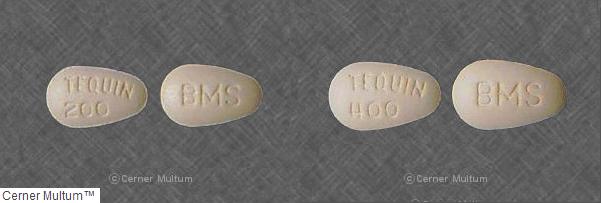
Tequin is the brand name of gatifloxacin—an antibiotic belonging to the fluoroquinolone. Tequin, which has been removed from the U.S. market, is used to treat bacterial infections of the sinuses, skin, urinary tract and lungs.
On September 2nd of 2008, the United States Food and Drug Administration issued a notice to confirm the reason that Bristol-Myers Squibb (Tequin’s manufacturer) decided to remove the drug from the market was for safety and effectiveness reasons.
The FDA rendered this decision following numerous clinical trials and reports offered by various organizations, including the Public Citizen Watch group. Of course, anytime a drug is removed from the market, litigation is expected to ensue. For more information on Tequin lawsuits please read below:
Tequin Side Effects:
Tequin side effects ultimately accelerated the removal of the drug from U.S. markets. Medical attention was required for the following Tequin side effects:
• Common Tequin side effects include: back pain; changes in taste; constipation; diarrhea; dizziness; gas; pain or redness at the injection site; sore throat; tiredness; vomiting; lightheadedness
Tequin Side Effects may also be regarded as severe. If you experience any of the following Tequin side effects, please seek immediate medical help:
• Severe Tequin Side Effects Include: tightness in the chest; swelling of the mouth, lips, face; nightmares; paranoia; blurred vision; pale skin; stomach cramps; severe diarrhea; bloody stools; irregular heartbeat.
FDA Regulations and Tequin Lawsuits:
No longer available for purchase in America, the antibiotic Tequin was subject to a great deal of controversy regarding its potentially harmful effects. In particular, concerns were raised that Tequin side effects included the risk of developing diabetes. Since the drug was discontinued in 2006, it is probably no longer possible to engage in a Tequin lawsuit.
Tequin was introduced to market in 1999, previous to this time, the United States Food and Drug Adminsitration already issued warnings concerning the risks associated Tequin side effects, particularly heart and kidney damage. Moreover, some reports were issued regarding isolated incidents of hallucination.
In 2005, the public advocacy group Public Citizen issued a warning calling for the medication to be banned. In their statement, they noted that reported Tequin side effects between 2000 and mid-2005 included 20 deaths out of 388 tested patients. These concerns increased in 2006, when a study was published in The New England Journal of Medicine which warned of an increased risk of developing diabetes. This side effect was not reflected in the drug’s warning label, prompting many users to file Tequin lawsuits.
Shortly after the study was published, manufacturer Bristol-Myers Squibb announced they would be pulling the drug from the market. This action; however, did not prevent the filing of a Canadian class action Tequin lawsuit. This Tequin lawsuit concerned diabetes and diabetes-related Tequin side effects. It was filed by an assortment of users who developed the disease after being treated with the drug. These Tequin lawsuits, which resulted in a $5 million settlement, secured compensation to offset the costs associated with the side effect—Tequin lawsuits are commonly filed to offset medical expenses, lost wages and pain and suffering.
Currently there is no public report of successful Tequin lawsuits. Several claims seeking Tequin settlements were announced by law firms after the drug was removed from the market. For example, in 2007, a Tequin lawsuit on behalf of a Missouri man who developed diabetes was filed—the results of this particular Tequin lawsuit have not been made public.
Because the drug was removed from the market over 4 years ago, the ability to file a Tequin lawsuit is severely limited.
Tequin is still available in the United States as an eye drop solution known as Zymar. This medication; however, has not been associated with any Tequin side effects.
If you would like to explore litigation concerning Tequin side effects, you should schedule a consultation with a pharmaceutical attorney. A proposed Tequin lawsuit should be evaluated by a legal professional to assess the case’s validity and your state’s statute of limitations.
Sources:
1. https://www.fda.gov/Drugs/DrugSafety/PostmarketDrugSafetyInformationforPatientsandProviders/
DrugSafetyInformationforHeathcareProfessionals/ucm085194.htm
2.https://www.fda.gov/Drugs/DrugSafety/PostmarketDrugSafetyInformationforPatientsandProviders/ucm107821.htm