Tylenol Lawsuit
📅 2026 Update: Recent Developments in Product Liability Lawsuits
Since the original article on Tylenol lawsuits, several significant changes have occurred in the realm of product liability law. These changes highlight ongoing litigation involving various pharmaceutical products, including Ozempic and Depo-Provera. The information below updates readers on these recent developments while the earlier article continues further down the page.
🩺 Lawsuits Against Ozempic and Related Drugs
As of June 2026, there are 3,763 lawsuits against Ozempic and related GLP-1 receptor agonist drugs. These lawsuits allege severe gastrointestinal injuries and vision loss linked to these medications. All cases have been consolidated in federal court in Pennsylvania, indicating a large-scale legal challenge for the manufacturers.
- ⚖️ MDL Process: Patients who claim to have suffered from these side effects must file their individual lawsuits within this multidistrict litigation (MDL).
⚠️ Gardasil Lawsuit Settlement
In June 2026, Merck resolved over 200 lawsuits related to Gardasil by agreeing to pay more than $50 million. This settlement covered cases that had previously been dismissed in North Carolina and a longstanding case in Los Angeles.
- 💰 Financial Impact: This settlement highlights the financial implications for pharmaceutical companies facing product liability claims.
🧠 Depo-Provera Multidistrict Litigation
The Depo-Provera litigation has expanded significantly, with over 5,500 cases reported by June 2026. These lawsuits allege a connection between the contraceptive and brain tumors.
- 📈 Ongoing Claims: The first lawsuit in this MDL was filed on October 1, 2024, showcasing the increasing awareness and legal action regarding potential drug-related injuries.
🏛️ Strive Pharmacy Antitrust Lawsuit
On January 14, 2026, Strive Specialties Inc. filed an antitrust complaint against Eli Lilly and Novo Nordisk. The complaint claims these companies worked together to suppress competition in the GLP-1 weight-loss drug market.
- 🕵️ Market Dynamics: This case may affect consumers by limiting choices in weight-loss medications.
📌 Key Updates Summary
- ⚖️ 3,763 lawsuits against Ozempic consolidated in federal court.
- 💰 Merck settled Gardasil claims for over $50 million.
- 🧠 Depo-Provera lawsuits exceed 5,500 cases alleging brain tumor links.
- 🏛️ Antitrust complaint against Eli Lilly and Novo Nordisk filed in January 2026.
💡 Tips for Understanding Product Liability Claims
Review your specific situation with an attorney to understand how it applies to your case.
🏷️ Understanding Eligibility for Lawsuits
Individuals who have developed severe gastrointestinal injuries or vision loss after using Ozempic may qualify for a lawsuit. It’s essential to gather medical records to support your claim.
📝 Filing Deadlines
Be aware of filing deadlines for lawsuits, especially for products like Depo-Provera. The first lawsuit was filed on October 1, 2024, and other claims are subject to statutes of limitations.
📞 Gathering Evidence
Collect all documentation related to your use of the drug, including prescriptions and medical records. This evidence is crucial for substantiating your claims.
📊 Monitoring Ongoing Lawsuits
Stay updated on the progress of cases in the MDL, especially for Ozempic and Depo-Provera. Key trials may begin in late 2026 or early 2027.
🌐 Seeking Free Resources
Utilize resources from the FDA or local legal aid organizations. They can offer information about safety and adverse events, which can help in understanding your rights.
🏆 Free Options Ranked by User Reviews (2026)
There are no national paid services meeting the review threshold for this topic, so this section lists free government and nonprofit resources to assist individuals with product liability claims.
🥇 1. FDA
The FDA provides vital information on drug safety and adverse events related to various medications. This resource can help individuals understand potential risks associated with their medications.
- 🏥 Who It Helps: Patients seeking information on the safety of specific drugs can benefit from the FDA’s resources.
🥈 2. Legal Aid Organizations
Local nonprofit organizations often provide free legal assistance to individuals pursuing product liability claims. They can guide you through the legal process and help you understand your options.
- 🗺️ Who It Helps: These organizations are particularly valuable for those who may not afford private legal representation.
🥉 3. State Health Departments
State health departments often track adverse events related to medications and can offer resources for reporting injuries. They may provide information on local services available for affected individuals.
- 🌍 Who It Helps: Individuals looking to report side effects or seek assistance regarding drug-related injuries can utilize these resources.
🔎 Important Considerations
- 🔍 Verify the credentials of any organization before seeking help.
- ⚖️ Check for any associated fees for legal services.
- 📝 Ensure that the organization specializes in product liability claims.
- 📅 Confirm the deadlines for filing any claims or reports.
❓ Frequently Asked Questions
❓ What types of injuries can lead to a lawsuit?
Injuries linked to medications like Ozempic may include severe gastrointestinal issues and vision loss. Injuries from Depo-Provera may involve brain tumors.
❓ How do I file a lawsuit for a medication injury?
To file a lawsuit, you must gather evidence, such as medical records, and submit your claim through the appropriate MDL or court system.
❓ What is a multidistrict litigation (MDL)?
An MDL is a special legal procedure that consolidates multiple lawsuits with similar claims into a single court for more efficient handling.
❓ Are there any costs associated with filing a lawsuit?
Filing a lawsuit can involve various costs, including court fees and attorney fees, though some resources may offer assistance without charge.
❓ How can I stay informed about ongoing lawsuits?
Following updates from reliable news sources and legal resources can keep you informed about the progress of ongoing litigation.
❓ Can I join a class action lawsuit instead of filing individually?
In some cases, you may have the option to join class action lawsuits, but eligibility depends on the specifics of your situation and the claims involved.
⚖️ Recent Cases Related to Product Liability
Several recent court rulings have shaped the landscape of product liability lawsuits, particularly regarding pharmaceuticals. These developments reflect ongoing challenges and evolving legal standards in the industry.
- Court rules on liability in ceiling collapse injury caseAppellate Division of the Supreme Court of the State of New York · August 5, 2026
- Court rules on liability in workplace injury caseAppellate Division of the Supreme Court of the State of New York · August 6, 2026
- Puerto Rico Court Rules on Admission of Facts in LawsuitTribunal De Apelaciones De Puerto Rico/Court of Appeals of Puerto Rico · June 30, 2026
- Puerto Rico court rules on restaurant liability in assault caseTribunal De Apelaciones De Puerto Rico/Court of Appeals of Puerto Rico · June 30, 2026
You can browse more rulings on the news page to find the latest updates.
End of October 2026 Update
A Brief Guide to Filing a Tylenol Lawsuit:
What is Tylenol?
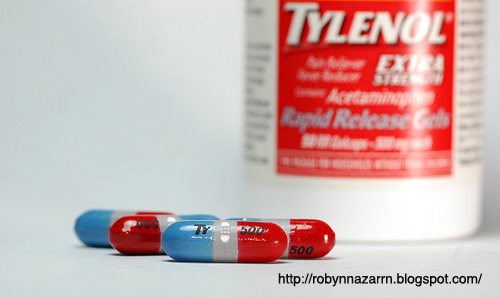
Tylenol is the brand name of Acetaminophen—a drug used to relieve mild to moderate pain stemming from muscle aches, headaches, menstrual periods, sore throats, backaches and to reduce fever. Tylenol belongs to a class of medications called antipyretics (fever reducers) and analgesics (pain relievers). The drug is effective by altering the way the body senses pain.
Tylenol Side Effects:
Tylenol is a popular over-the-counter pain medication. Although commonly-used for the aforementioned reasons Tylenol carries an assortment of side effects. Some Tylenol side effects may be serious; contact your doctor if you develop any unusual reactions while taking Tylenol.
Serious Tylenol Side Effects Include: rash; hives; swelling of the throat, tongue, lips, eyes, feet, ankles or lower legs; difficulty swallowing or breathing; hoarseness; itching
Tylenol side effects may take on other forms. Again, please contact your doctor if you experience any adverse reactions to the medication. If you sustain serious Tylenol side effects, you or doctor may file a report to the Food and Drug Administration MedWatch Adverse Reporting program online at https://www.fda.gov/Safety/MedWatch or via phone at 1-800-332-1088.
Tylenol Lawsuits:
Though Tylenol is available over-the-counter, the drug’s side effects can be dangerous even to users who adhere to intake instructions. That being said, the bulk of serious Tylenol side effects result from an excess dosage (more than 4 mg per day).
It is possible to file Tylenol lawsuits with regards to the development of serious side effects. However, patients who disregard package warnings and exceed the maximum daily dose will be found liable of self-inflicted damage, thereby ridding Tylenol of blame and impeding your ability to file Tylenol lawsuits.
A number of studies affirm a correlation between regular intake of a Tylenol dosage and serious liver damage or failure—the vast majority of Tylenol lawsuits are initiated because of this Tylenol side effect. In response to such findings, the FDA ordered the institution of a warning label to be placed on all medications containing acetaminophen--the active ingredient of Tylenol.
In 2010, two voluntary recalls were issued on various forms of Tylenol concerning the manufacturing process. Both recalls were designed to limit the risk of Tylenol from being contaminated by chemicals and bacteria. The second set of recalls was followed by an FDA investigation into a Pennsylvania manufacturing plant. The FDA noted various problems with cleanliness and management creating the potential for Tylenol side effects due to the presence of bacteria.
Both reports of liver damage and recalls have led many consumers to file a Tylenol lawsuit. Both of these situations regarding a Tylenol dosage can be argued to have caused damage to patients. Tylenol lawsuits filed on the grounds other than Tylenol side effects have widely been unsuccessful.
In 2012, a class-action Tylenol lawsuit combining the claims of multiple consumers was launched. The plaintiffs alleged economic damage and requested a full refund for a Tylenol dosage that was recalled. This Tylenol lawsuit; however, was eventually dismissed by the court system.
Most attorneys will only represent clients in Tylenol lawsuits if the medication yielded a substantial side effect following normal Tylenol dosage. For example, in 2012 two parents sued the company over a Tylenol dosage which was recalled. Use of the recalled product ultimately resulted in the death of their infant son. This Tylenol lawsuit was viable because it established that consumption of the poorly manufactured drug resulted in fatal side effects.
It is relatively simple for Tylenol lawsuits to establish a direct link between a Tylenol dosage and adverse effects. As studies continue to examine this link, further litigation will help affirm liability. To date, no successful class action Tylenol lawsuit concerning Tylenol side effects has been reported. However, those who experienced liver and kidney failure can easily find a lawyer willing to evaluate the success of their proposed Tylenol lawsuit.
Sources:
1. United States National Library of Medicine “Acetaminophen” retrieved from:
https://www.ncbi.nlm.nih.gov/pubmedhealth/PMH0000521/
2. https://www.nytimes.com/2002/03/23/your-money/23iht-mjj_ed3_.html?pagewanted=1
3. https://www.fda.gov/ForConsumers/ConsumerUpdates/ucm239747.html
4. https://www.fda.gov/Drugs/DrugSafety/ucm239821.html
5. https://money.cnn.com/2011/03/10/news/companies/johnson_mcneil_fda_action/index.html