Zoloft Lawsuit
📅 2026 Update: Recent Developments in Drug Lawsuits
Since the original article was published, there have been significant changes in the landscape of drug-related lawsuits. New cases have emerged, and some have grown substantially, impacting how these claims are processed. This section will highlight the most relevant updates affecting lawsuits related to drugs like Ozempic, Gardasil, and Depo-Provera, while the earlier article continues further down the page.
🏥 Ozempic Lawsuits Consolidation
As of June 2026, there are 3,763 lawsuits consolidated in federal court in Pennsylvania. These lawsuits allege that Ozempic and other GLP-1 receptor agonist drugs cause severe gastrointestinal injuries and vision loss. Patients claiming these injuries can file their lawsuits in this multidistrict litigation (MDL).
- 🔍 These cases are still in the early stages, with no trials having taken place as of June 2026.
💰 Gardasil Lawsuit Settlement
In June 2026, Merck agreed to pay over $50 million to settle more than 200 Gardasil-related cases. This settlement includes cases that were previously dismissed, showing the ongoing legal challenges related to the vaccine.
- 📅 This settlement highlights the complexities of vaccine-related litigation, which continues to evolve.
🧠 Depo-Provera Lawsuit Growth
The number of claims against Depo-Provera has surged, with more than 5,500 cases in the multidistrict litigation by June 2026. These lawsuits allege a link between the contraceptive and brain tumors.
- ⚠️ This growth indicates significant legal activity and ongoing concerns about the drug's safety.
📅 Upcoming Bellwether Trials
As of June 2026, no trials have occurred in the Ozempic MDL. However, bellwether trials are expected to start potentially in late 2026 or early 2027. These trials may play a critical role in shaping future outcomes for the cases involved.
- 🔜 The results of these bellwether trials could influence settlement decisions for many claimants.
📌 Key Points to Remember
- 🏥 Ozempic lawsuits are consolidated with over 3,763 claims alleging severe injuries.
- 💰 Gardasil settlement totals over $50 million for more than 200 cases.
- 🧠 Depo-Provera claims exceed 5,500 cases, raising safety concerns.
- 📅 Bellwether trials for Ozempic may begin in late 2026 or early 2027.
💡 Tips for Individuals Considering Drug Lawsuits
Review the details of your situation with your attorney. Understanding your specific circumstances is crucial when considering a lawsuit.
📝 Understand Your Eligibility
Before filing, ensure you meet the eligibility criteria for lawsuits related to drugs like Ozempic or Depo-Provera. Individuals who suffered serious injuries after using these drugs may qualify for claims.
📆 Keep Track of Deadlines
Be aware of filing deadlines for lawsuits. For example, the first Depo-Provera lawsuit was filed in October 2024, and subsequent claims are subject to statutes of limitations.
📢 Gather Medical Evidence
Collecting medical records and evidence of side effects is essential. This documentation can strengthen your case if you choose to file a lawsuit.
🧑⚕️ Report Adverse Effects
Patients who experience adverse effects from medications should report them to the FDA. This can help with monitoring drug safety and may contribute to future legal claims.
📚 Research Ongoing Cases
Stay informed about ongoing lawsuits related to drugs. Understanding the landscape can help you navigate your options if you consider pursuing a claim.
🤝 Seek Free Resources
Look for nonprofit organizations offering legal assistance. These resources may provide support without the costs associated with private firms.
🏆 Free Options Ranked by User Reviews (2026)
No national paid service has met the review threshold for drug-related lawsuits, so this section focuses on free government and nonprofit resources available. These options can provide essential support for individuals navigating these complex legal matters.
🥇 1. FDA
The FDA provides information about drug safety and adverse events. They offer resources that can help individuals understand potential injuries related to medications.
- 📄 Patients can report adverse effects, which contributes to safety monitoring and may influence future lawsuits.
🥈 2. Legal Aid Organizations
Many nonprofit organizations offer free legal assistance for those pursuing product liability claims. These organizations can help individuals understand their rights and options.
- 🤝 They often provide consultations and support throughout the legal process, making it easier for individuals to navigate claims.
🥉 3. State Health Departments
State health departments may provide information about specific drugs and their safety. They can offer insights into ongoing investigations related to pharmaceuticals.
- 🌐 Patients can access educational resources and reports that may be beneficial when considering legal action.
4️⃣ Community Health Centers
Community health centers may offer resources and support for patients dealing with drug-related injuries. They often provide connections to free legal aid services.
- 🏥 These centers focus on the health and well-being of the community, ensuring that individuals have access to necessary information.
🔎 What to Check Before Paying for Help
- 🏛️ Verify the credentials of any organization offering assistance.
- 📅 Check for deadlines related to your specific situation.
- 🤔 Understand what kind of help is offered for free versus paid services.
- 📖 Research any reviews or testimonials about the services provided.
❓ Frequently Asked Questions
❔ What types of injuries are associated with Ozempic?
Ozempic lawsuits primarily allege severe gastrointestinal injuries and vision loss. Patients claiming these injuries may be eligible to join the ongoing litigation.
🗓️ When can I file a lawsuit for Depo-Provera?
Individuals diagnosed with brain tumors after using Depo-Provera may file a lawsuit. It’s important to adhere to applicable statutes of limitations for timely filing.
📜 How do I join the Ozempic MDL?
To join the Ozempic MDL, patients should consult with legal counsel to determine eligibility and gather necessary documentation for their claims.
📊 What is the status of the Gardasil lawsuits?
The Gardasil lawsuits have seen a significant settlement, with Merck agreeing to pay over $50 million to resolve more than 200 cases as of June 2026.
💼 Can I file a lawsuit if my claim was previously dismissed?
Yes, some claims that were previously dismissed, like certain Gardasil cases, can be reopened if new evidence supports the allegations.
🔍 Where can I find more information on drug safety?
The FDA offers comprehensive resources regarding drug safety and adverse events. Patients can access this information to stay informed about potential risks associated with medications.
⚖️ Recent Cases Related to Drug Lawsuits
Recent court rulings in drug-related lawsuits have highlighted ongoing issues with pharmaceutical products and their safety. These cases connect directly to the larger context of product liability and consumer protection.
- Court rules on school liability in student injury caseAppellate Division of the Supreme Court of the State of New York · September 16, 2026
- Ohio Court of Appeals upholds dismissal of inmate's lawsuitOhio Court of Appeals · September 17, 2026
- Kansas court rules on jail credit for drug offender BarragerCourt of Appeals of Kansas · September 18, 2026
- Connecticut court rules on dog attack liability caseConnecticut Appellate Court · September 22, 2026
For more recent rulings, browse more rulings on the news page.
End of October 2026 Update
A Brief Guide to Filing a Zoloft Lawsuit:
What is Zoloft?
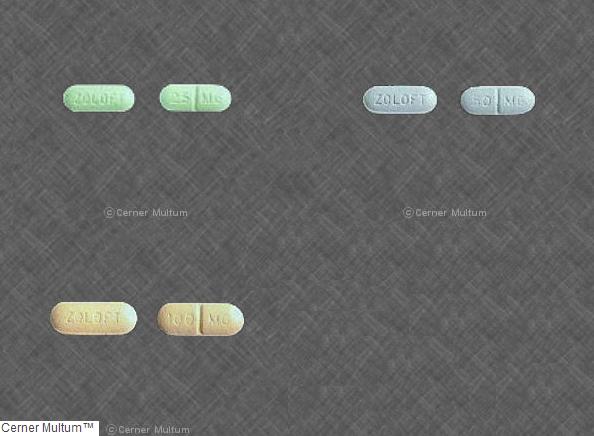
Zoloft is the brand name of Sertraline; the drug is used to treat obsessive-compulsive disorder, depression, panic attacks, posttraumatic stress disorder and social anxiety disorder. Zoloft is also used to relieve the symptoms associated with premenstrual dysphoric disorder, including irritability, bloating, breast tenderness and mood swings. Zoloft belongs to a class of antidepressants known as selective serotonin reuptake inhibitors. The drug is effective by increasing the levels of serotonin—a natural substance in the brain that helps maintain mental equilibrium.
Zoloft Side Effects:
Zoloft side effects range from the benign to the insufferable. If you experience any symptoms associated with the follow Zoloft side effects please contact your doctor:
• Common Zoloft Side Effects: nausea; constipation; vomiting; dry mouth; bloating or gas; loss of appetite; weight changes; drowsiness; excessive tiredness; headache; burning, tingling or pain in the hands and feet; uncontrollable shaking of the body; fluctuations in sex drive or ability; excessive sweating; nervousness and headache.
• Severe Zoloft Side Effects: (requires immediate medical attention) include: Seizures; blurred vision; sweating; confusion; seizures; abnormal bruising or bleeding; and hallucinations.
Zoloft side effects may occur in other forms. Please contact your doctor if you experience any unusual Zoloft side while taking this medication.
Zoloft FDA Regulations:
In May of 2007, the United States Food and Drug Administration proposed that the makers of antidepressant medications update their existing black box warning on their products’ labeling to reflect warnings of increased risks of suicidal thoughts and behavior, in young adults ages 18 to 24 during the first couple of months of treatment.
Zoloft Lawsuits:
Zoloft lawsuits are filed by users—or their families—for the development of severe reactions or effects that were not aptly reflected in the product’s label. A Zoloft lawsuit is filed by those who suffer from use of the drug; however, Zoloft lawsuits, to succeed, must be filed by patients who adhere to doctors’ orders and intake instructions. Irresponsible use of the drug will impede you or your family from filing a Zoloft lawsuit. The bulk of Zoloft lawsuits are filed either against the drug’s manufacturer or the prescribing doctor—the latter form of a Zoloft lawsuit is undertaken if the doctor made a severe mistake with regards to dosage strengths.
While the warning information that comes with the drug describes these potential Zoloft side effects, it does not make note of the risk of birth defects. To date, more than 100 users have filed Zoloft lawsuits as a result of birth defects.
Prior to the controversy over birth defects, the primary reasoning for filing Zoloft lawsuits revolved around suicides-- several cases were recorded in which survivors of patients who had killed themselves filed a Zoloft lawsuit because the drug promotes suicidal thoughts, tendencies and actions. Although a number of Zoloft lawsuits were filed because of this brutal side effect, the bulk of Zoloft settlements were filed out of court and out of the public eye.
In April of 2012, District Court of the Eastern District of Pennsylvania was named responsible for conducting multidistrict litigation regarding every active Zoloft lawsuit. This kind of procedure places one federal court in charge of hearing every Zoloft lawsuit regarding the drug’s side effects. Among other advantages, this procedure allows the prosecution to file a consolidated Zoloft lawsuit, thus promoting fluidity and preciseness. In response to these Zoloft lawsuits, the drug’s manufacturer typically establishes funds to compensate victims and their families.
If you wish to file a Zoloft lawsuit, you must ensure that your state’s statutes of limitations have not expired. To file a successful Zoloft lawsuit you must affirm the link between Zoloft use and your adverse reaction. Failure to definitively prove this link will result in a defunct Zoloft lawsuit. Moreover, Zoloft lawsuits must be filed for side effects or severe adverse reactions that were underreported or poorly warned against by the manufacturer or FDA.
Sources:
1.United States National Library of Medicine “Sertraline” retrieved from:
https://www.ncbi.nlm.nih.gov/pubmedhealth/PMH0001017/
2. United States Food and Drug Administration
“Antidepressant Use in Children, Adolescents and Adults retrieved from:
https://www.fda.gov/Drugs/DrugSafety/InformationbyDrugClass/UCM096273